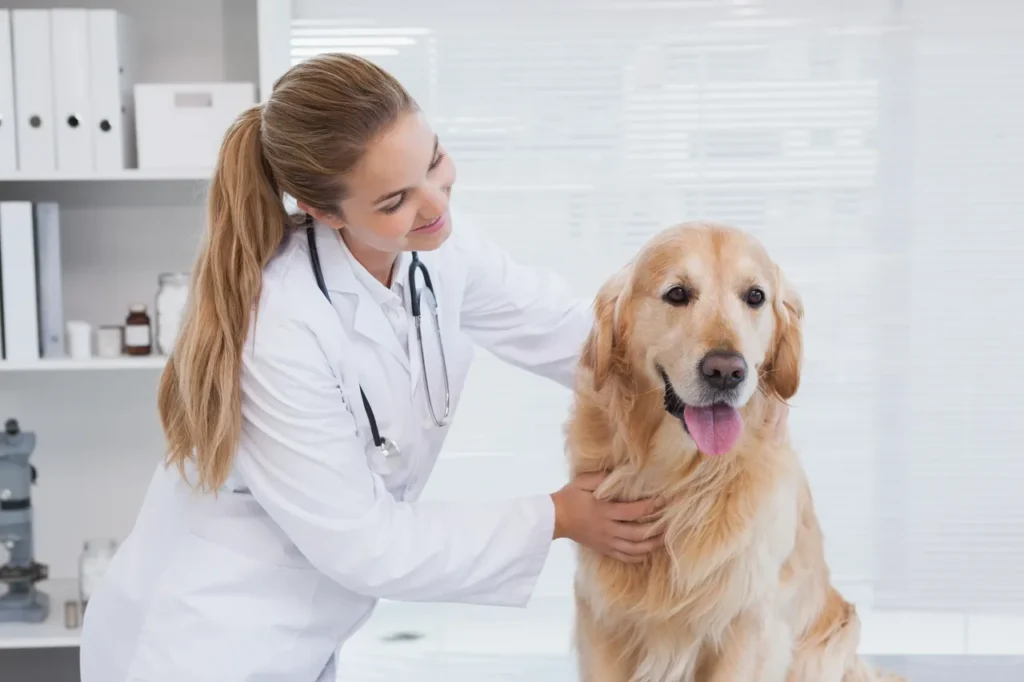
If your dog has suddenly started drinking excessive amounts of water, asking to go outside more often, developing a pot-bellied appearance, or losing patches of fur, your veterinarian may suspect Cushing’s disease. Also known as hyperadrenocorticism, Cushing’s disease is one of the most common hormonal disorders seen in middle-aged and senior dogs.
Although Cushing’s disease cannot always be cured, it is often very manageable. With the right medications, regular veterinary monitoring, a healthy diet, and supportive care, many dogs with Cushing’s disease continue to enjoy an excellent quality of life for years after diagnosis.
In this guide, you’ll learn everything you need to know about Cushing’s disease in dogs, including symptoms, causes, diagnosis, treatment options, diet recommendations, supplements that may support overall health, and what to expect after diagnosis.
What Is Cushing’s Disease in Dogs?
Cushing’s disease occurs when a dog’s body produces too much cortisol, a hormone made by the adrenal glands.
Cortisol is sometimes called the “stress hormone,” but it does much more than help the body respond to stress. It also plays an important role in:
- Metabolism
- Blood sugar regulation
- Blood pressure
- Immune system function
- Fat metabolism
- Muscle maintenance
When cortisol levels remain elevated for long periods, it begins to affect nearly every organ system in the body.
Types of Cushing’s Disease
There are three main types of Cushing’s disease.
Pituitary-Dependent Cushing’s Disease
This is the most common form, accounting for approximately 80–85% of cases.
A small tumor in the pituitary gland causes excessive production of ACTH, a hormone that tells the adrenal glands to produce cortisol.
Most pituitary tumors are benign.
Adrenal-Dependent Cushing’s Disease
This form occurs when a tumor develops within one of the adrenal glands.
Some adrenal tumors are benign, while others are malignant.
Treatment depends on the size and type of tumor.
Iatrogenic Cushing’s Disease
This form develops after prolonged use of corticosteroid medications such as prednisone or dexamethasone.
Reducing or discontinuing these medications under veterinary supervision usually resolves the condition.
Never stop steroid medications abruptly without veterinary guidance.
Symptoms of Cushing’s Disease in Dogs
Symptoms usually develop gradually over several months.
Common signs include:
- Increased thirst
- Increased urination
- Increased appetite
- Pot-bellied abdomen
- Hair loss
- Thin skin
- Recurrent skin infections
- Muscle weakness
- Panting
- Lethargy
- Poor hair regrowth
- Weight gain
- Increased hunger
- Urinary accidents
- Frequent urinary tract infections
Many owners first notice that their dog is emptying the water bowl much more quickly than usual.
What Causes Cushing’s Disease?
The underlying cause depends on the type of Cushing’s disease.
Possible causes include:
- Pituitary tumors
- Adrenal gland tumors
- Long-term steroid medication use
The excess cortisol produced by these conditions leads to the symptoms commonly associated with the disease.
Which Dogs Are Most at Risk?
Cushing’s disease most commonly affects:
- Middle-aged dogs
- Senior dogs
- Small breeds
- Poodles
- Dachshunds
- Beagles
- Boston Terriers
- Yorkshire Terriers
- Boxers
However, any breed can develop Cushing’s disease.
How Is Cushing’s Disease Diagnosed?
Diagnosing Cushing’s disease usually involves several steps because no single test is perfect.
Your veterinarian may recommend:
- Physical examination
- Blood chemistry panel
- Complete blood count (CBC)
- Urinalysis
- Urine cortisol testing
- ACTH stimulation test
- Low-dose dexamethasone suppression (LDDS) test
- Abdominal ultrasound
- Blood pressure measurement
Additional imaging may be recommended to identify adrenal tumors.
Treatment for Cushing’s Disease
Treatment depends on the underlying cause.
Medication
Most dogs with pituitary-dependent Cushing’s disease are treated with medications that reduce cortisol production.
These medications require lifelong administration and regular blood work to ensure the dosage remains appropriate.
Surgery
Some adrenal tumors can be surgically removed.
Surgery is typically performed by experienced veterinary surgeons after careful evaluation.
Radiation Therapy
Radiation therapy may occasionally be recommended for certain pituitary tumors.
Monitoring Is Essential
Treatment requires regular follow-up appointments.
Your veterinarian will likely monitor:
- Cortisol levels
- Appetite
- Water consumption
- Urination
- Body weight
- Activity level
- Blood work
Medication doses often need adjustment over time.
The Best Diet for Dogs With Cushing’s Disease
Although there is no single diet that cures Cushing’s disease, proper nutrition supports overall health and helps manage secondary problems.
Many veterinarians recommend diets that are:
- Moderate in fat
- High-quality protein
- Highly digestible
- Rich in antioxidants
- Balanced in vitamins and minerals
Dogs that are overweight may benefit from a calorie-controlled diet.
Because some dogs with Cushing’s disease also develop high cholesterol or pancreatitis, your veterinarian may recommend limiting dietary fat.
Essential Items: High-quality senior dog foods, low-fat diets
Supplements That May Support Dogs With Cushing’s Disease
No supplement has been proven to cure Cushing’s disease. However, certain supplements may support overall health while your dog receives appropriate veterinary treatment.
Omega-3 Fish Oil
Omega-3 fatty acids help support a healthy inflammatory response and provide benefits for:
- Skin health
- Coat quality
- Joint function
- Heart health
- Brain function
Many dogs with Cushing’s disease experience dry skin or poor coat quality, making omega-3 supplements a common recommendation for overall wellness.
Because fish oil contains calories and fat, always discuss the appropriate dosage with your veterinarian.
Top Pick: Veterinary-approved fish oil supplements for dogs.
Joint Supplements
Muscle weakness and arthritis commonly affect older dogs with Cushing’s disease.
Joint supplements containing ingredients such as glucosamine, chondroitin, MSM, or green-lipped mussel may help support healthy cartilage and joint mobility, making it easier for affected dogs to stay active.
These supplements do not treat Cushing’s disease itself but may improve comfort and quality of life.
Helpful Option: Canine joint support chews or powders.
Probiotics
Some dogs taking long-term medications or experiencing digestive upset may benefit from probiotics.
Potential benefits include:
- Supporting healthy digestion
- Maintaining beneficial intestinal bacteria
- Promoting healthy stool quality
- Supporting immune health within the digestive tract
Great Choice: Veterinary-formulated probiotic supplements.
Skin and Coat Supplementshttps://amzn.to/3RvRQmW
Because skin problems are common with Cushing’s disease, supplements formulated to support skin barrier function may help maintain healthier skin and a shinier coat.
Products containing omega-3 fatty acids, vitamin E, or other skin-supportive nutrients are commonly used alongside veterinary treatment.
Always discuss supplements with your veterinarian before adding them to your dog’s routine.
Top Product: Skin and coat supplements designed for dogs.
Managing Cushing’s Disease at Home
Daily management plays an important role in keeping dogs comfortable.
Helpful tips include:
- Give medications exactly as prescribed.
- Ensure constant access to fresh water.
- Monitor appetite and thirst.
- Watch for changes in urination.
- Maintain a healthy body weight.
- Exercise regularly but avoid overexertion.
- Keep routine veterinary appointments.
Many owners find it helpful to keep a notebook documenting water intake, appetite, medications, and any changes in symptoms.
Can Dogs Live Normal Lives With Cushing’s Disease?
Yes.
Many dogs diagnosed with Cushing’s disease continue to live happy, active lives for several years with appropriate treatment.
Success depends on:
- Early diagnosis
- Consistent medication
- Regular monitoring
- Managing secondary health conditions
- Maintaining a healthy lifestyle
Can Cushing’s Disease Be Cured?
The answer depends on the underlying cause.
- Iatrogenic Cushing’s may resolve after steroid medications are safely reduced under veterinary supervision.
- Some adrenal tumors can be cured through surgery.
- Pituitary-dependent Cushing’s is usually managed rather than cured, requiring lifelong medication.
Fortunately, many dogs respond extremely well to treatment.
Products That Can Help Dogs With Cushing’s Disease
Owners often find these products useful:
- High-quality dog food
- Low-fat diets
- Fish oil supplements
- Joint supplements
- Skin and coat supplements
- Veterinary probiotics
When Should You Contact Your Veterinarian?
Schedule an appointment if your dog develops:
- Excessive thirst
- Increased urination
- Sudden weight gain
- Pot-bellied appearance
- Hair loss
- Persistent panting
- Muscle weakness
- Recurrent skin infections
- Frequent urinary tract infections
Dogs already receiving treatment should also be evaluated if symptoms worsen or new symptoms develop, as medication adjustments may be necessary.
Seek immediate veterinary care if your dog becomes extremely weak, collapses, stops eating, vomits repeatedly, or develops severe lethargy.
Final Thoughts
Cushing’s disease is one of the most common endocrine disorders seen in older dogs, but it is also one of the most manageable. Although the diagnosis can feel overwhelming at first, many dogs respond very well to treatment and continue enjoying a high quality of life for years.
If you notice increased thirst, frequent urination, excessive hunger, hair loss, or a pot-bellied appearance, don’t assume it’s simply part of aging. Early diagnosis allows treatment to begin sooner and helps reduce the risk of complications.
With consistent medication, regular veterinary monitoring, a balanced diet, and supportive care at home, many dogs with Cushing’s disease remain happy, comfortable companions well into their senior years.
Frequently Asked Questions
What are the first signs of Cushing’s disease in dogs?
The earliest signs often include increased thirst, increased urination, increased appetite, excessive panting, and gradual changes in the coat or skin.
Is Cushing’s disease common in dogs?
Yes. Cushing’s disease is one of the most common hormonal disorders diagnosed in middle-aged and senior dogs.
Can Cushing’s disease be cured?
Some forms, such as those caused by certain adrenal tumors or long-term steroid use, may be curable. Pituitary-dependent Cushing’s disease is typically managed with lifelong medication.
What causes Cushing’s disease?
The condition is most commonly caused by a pituitary gland tumor, an adrenal gland tumor, or prolonged use of corticosteroid medications.
What should I feed a dog with Cushing’s disease?
Most veterinarians recommend a balanced, highly digestible diet with high-quality protein and moderate fat. Dogs with additional conditions such as pancreatitis may require specialized diets.
Are supplements helpful for dogs with Cushing’s disease?
Supplements such as omega-3 fatty acids, joint supplements, probiotics, and skin-support products may help support overall health but do not treat the underlying disease.
How long can a dog live with Cushing’s disease?
Many dogs live several years after diagnosis when the condition is properly managed with medication and routine veterinary care.
Is Cushing’s disease painful?
The disease itself is not typically painful, but it can contribute to muscle weakness, skin infections, urinary tract infections, and other conditions that may cause discomfort if left untreated.
Can Cushing’s disease affect a dog’s skin?
Yes. Hair loss, thin skin, poor wound healing, skin infections, and recurring skin problems are common symptoms.
When should I call my veterinarian?
Contact your veterinarian if your dog develops excessive thirst, frequent urination, hair loss, a pot-bellied appearance, excessive panting, muscle weakness, or other signs that could indicate Cushing’s disease.

The Snout and About team includes pet owners and animal health professionals with backgrounds in animal science and veterinary medicine and firsthand experience managing serious pet health conditions. Our goal is to make veterinary information accessible and actionable for everyday pet owners.