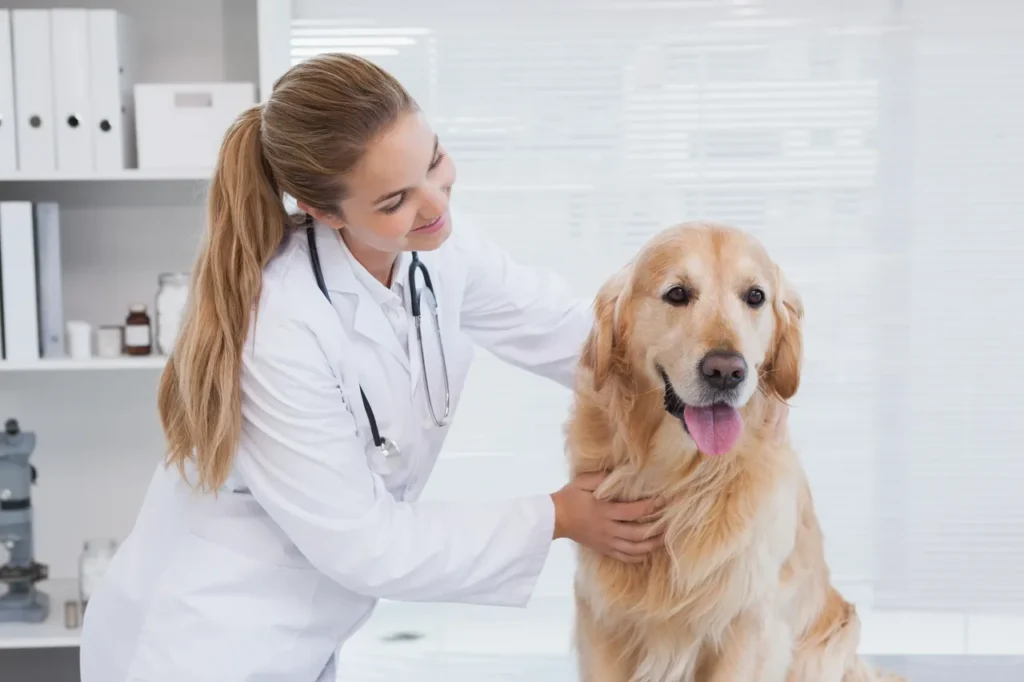
If your dog has been experiencing unexplained vomiting, diarrhea, weight loss, weakness, or episodes of collapse, your veterinarian may recommend testing for Addison’s disease, also known as hypoadrenocorticism. Although Addison’s disease is less common than many other hormonal disorders, it can become life-threatening if left untreated.
The good news is that most dogs diagnosed with Addison’s disease go on to live long, happy, and active lives with lifelong treatment and regular veterinary care. While the diagnosis can feel overwhelming at first, understanding the condition can help you feel more confident in managing your dog’s health.
In this guide, you’ll learn everything you need to know about Addison’s disease in dogs, including symptoms, causes, diagnosis, treatment options, diet recommendations, supplements that may support overall health, and what to expect after diagnosis.
What Is Addison’s Disease in Dogs?
Addison’s disease occurs when the adrenal glands fail to produce enough of two essential hormones:
- Cortisol
- Aldosterone
These hormones help regulate many vital body functions, including:
- Blood pressure
- Electrolyte balance
- Hydration
- Stress response
- Blood sugar regulation
- Kidney function
Without adequate hormone production, a dog’s body cannot properly maintain normal fluid and electrolyte levels, leading to serious illness.
What Is an Addisonian Crisis?
One of the most dangerous complications of Addison’s disease is an Addisonian crisis.
This occurs when hormone levels become critically low, causing severe electrolyte imbalances and shock.
An Addisonian crisis is a medical emergency and requires immediate veterinary treatment.
Signs may include:
- Collapse
- Severe weakness
- Vomiting
- Bloody diarrhea
- Pale gums
- Slow heart rate
- Low body temperature
- Trembling
- Shock
Without prompt treatment, an Addisonian crisis can be fatal.
Symptoms of Addison’s Disease in Dogs
One reason Addison’s disease is often called “The Great Pretender” is because its symptoms can mimic many other illnesses.
Common symptoms include:
- Vomiting
- Diarrhea
- Poor appetite
- Weight loss
- Weakness
- Lethargy
- Shaking
- Muscle tremors
- Increased thirst
- Increased urination
- Dehydration
- Abdominal pain
- Depression
- Collapse
- Intermittent digestive upset
Many dogs experience symptoms that improve and then return weeks or months later.
What Causes Addison’s Disease?
Most cases occur because the immune system mistakenly attacks the adrenal glands, gradually destroying the hormone-producing tissue.
Other possible causes include:
- Damage to the adrenal glands
- Certain infections
- Cancer affecting the adrenal glands
- Sudden withdrawal of long-term steroid medications
- Rare congenital disorders
In most dogs, the exact trigger for the immune system is unknown.
Which Dogs Are Most at Risk?
Although Addison’s disease can affect any dog, it is more commonly diagnosed in:
- Young to middle-aged dogs
- Female dogs
- Standard Poodles
- Portuguese Water Dogs
- Nova Scotia Duck Tolling Retrievers
- Great Danes
- Bearded Collies
- West Highland White Terriers
Mixed-breed dogs can also develop Addison’s disease.
How Is Addison’s Disease Diagnosed?
Because symptoms overlap with many illnesses, diagnosis often requires several tests.
Your veterinarian may recommend:
- Physical examination
- Complete blood count (CBC)
- Blood chemistry panel
- Electrolyte testing
- Urinalysis
- Baseline cortisol test
- ACTH stimulation test
The ACTH stimulation test is considered the gold standard for diagnosing Addison’s disease.
Some dogs may also undergo abdominal ultrasound to evaluate the adrenal glands and rule out other conditions.
Treatment for Addison’s Disease
Treatment focuses on replacing the hormones that the adrenal glands no longer produce.
Depending on the individual dog, treatment may include:
- Mineralocorticoid replacement injections
- Daily oral medications
- Corticosteroid supplementation
- Intravenous fluids during an Addisonian crisis
- Electrolyte monitoring
- Regular blood work
Most dogs require lifelong treatment.
Fortunately, once the proper medication dosage is established, many dogs do extremely well.
Managing an Addisonian Crisis
An Addisonian crisis requires emergency veterinary care.
Treatment usually includes:
- Intravenous fluids
- Electrolyte correction
- Injectable corticosteroids
- Blood pressure support
- Hospitalization
- Continuous monitoring
Many dogs recover remarkably well when treatment begins quickly.
The Best Diet for Dogs With Addison’s Disease
There is no single prescription diet for Addison’s disease, but balanced nutrition supports overall health and recovery.
Most veterinarians recommend:
- High-quality protein
- Easily digestible ingredients
- Consistent feeding schedule
- Adequate hydration
- Maintaining a healthy body weight
Unless your veterinarian recommends otherwise, most dogs can remain on a complete and balanced commercial diet.
Great Option: Premium dog food
Supplements That May Support Dogs With Addison’s Disease
No supplement can replace the hormones missing in Addison’s disease, and supplements should never replace prescribed medications. However, some may support your dog’s overall health when used with your veterinarian’s guidance.
Omega-3 Fish Oil
Omega-3 fatty acids help support a healthy inflammatory response and provide benefits for:
- Skin and coat health
- Joint health
- Heart health
- Brain function
Many dogs also benefit from improved skin and coat quality while receiving long-term medical management.
Essential Choice: High-quality fish oil supplements formulated specifically for dogs.
Probiotics
Digestive upset is common in dogs with Addison’s disease, especially before diagnosis or during times of stress.
Probiotics may help:
- Support healthy digestion
- Promote a balanced gut microbiome
- Improve stool quality
- Support intestinal immune health
Although probiotics won’t treat Addison’s disease itself, they may be helpful for digestive support in some dogs.
Top Choice: Veterinary-formulated probiotic powders or soft chews.
Joint Supplements
Many dogs diagnosed with Addison’s disease are middle-aged or older and may also develop arthritis.
Joint supplements containing glucosamine, chondroitin, MSM, or green-lipped mussel may help support cartilage health and mobility, allowing dogs to remain active and maintain muscle mass.
Great Option: Canine joint support supplements.
Daily Multivitamins
Dogs eating a complete, balanced diet generally don’t require additional vitamins. However, your veterinarian may recommend targeted supplementation if blood work identifies a deficiency or if another medical condition is present.
Avoid giving over-the-counter supplements without discussing them with your veterinarian first.
Managing Stress Is Important
Dogs with Addison’s disease sometimes require medication adjustments during periods of physical stress.
Stressful situations may include:
- Surgery
- Boarding
- Long-distance travel
- Serious illness
- Major injuries
Your veterinarian may recommend temporarily increasing steroid medication during these events.
Never adjust medication without veterinary guidance.
Can Dogs Live Normal Lives With Addison’s Disease?
Yes.
With proper treatment, most dogs with Addison’s disease enjoy an excellent quality of life and live normal or near-normal lifespans.
Many owners report that once treatment is stabilized, their dog returns to acting like their normal self.
Regular monitoring and medication compliance are the keys to long-term success.
Products That Can Help Dogs With Addison’s Disease
Many owners find these products useful:
Monitoring Addison’s Disease
Routine follow-up appointments are an important part of treatment.
Your veterinarian may monitor:
- Electrolyte levels
- Kidney values
- Body weight
- Appetite
- Water intake
- Medication effectiveness
Keeping a notebook or health journal can help you recognize subtle changes early.
When Should You Contact Your Veterinarian?
Contact your veterinarian if your dog develops:
- Vomiting
- Diarrhea
- Weakness
- Collapse
- Refusal to eat
- Severe lethargy
- Shaking
- Increased thirst
- Dehydration
Seek emergency veterinary care immediately if your dog collapses or shows signs of an Addisonian crisis.
Final Thoughts
Although Addison’s disease is a lifelong condition, it is also one of the most manageable endocrine disorders in dogs. Once diagnosed and treated appropriately, many dogs regain their energy, appetite, and enthusiasm for life.
The biggest danger is an undiagnosed Addisonian crisis, which is why it’s so important to recognize the warning signs and seek veterinary care promptly. Fortunately, with lifelong hormone replacement therapy, regular monitoring, and a consistent routine, most dogs go on to live full, active lives.
If your dog has recurring digestive problems, unexplained weakness, or episodes of collapse, talk with your veterinarian about whether Addison’s disease could be a possibility. Early diagnosis and treatment can make all the difference.
Frequently Asked Questions
What are the first signs of Addison’s disease in dogs?
Early signs often include vomiting, diarrhea, poor appetite, weight loss, weakness, lethargy, and intermittent digestive problems that seem to come and go.
What causes Addison’s disease in dogs?
Most cases occur when the immune system attacks the adrenal glands. Less common causes include adrenal gland damage, cancer, infections, or sudden withdrawal of long-term steroid medications.
Is Addison’s disease in dogs curable?
No. Addison’s disease cannot usually be cured, but it can be managed very successfully with lifelong hormone replacement therapy.
What is an Addisonian crisis?
An Addisonian crisis is a life-threatening emergency caused by critically low hormone levels, leading to severe electrolyte imbalances, dehydration, shock, and collapse. Immediate veterinary treatment is essential.
Can dogs live a normal life with Addison’s disease?
Yes. Most dogs live normal or near-normal lifespans when they receive appropriate medication and regular veterinary monitoring.
What should I feed a dog with Addison’s disease?
Most dogs do well on a complete, balanced, high-quality diet. Your veterinarian may recommend dietary changes if your dog has other health conditions.
Are supplements helpful for dogs with Addison’s disease?
Supplements such as omega-3 fatty acids, probiotics, and joint supplements may support overall health but cannot replace the hormone therapy required to treat Addison’s disease.
How often does a dog with Addison’s disease need blood work?
The frequency varies depending on the stage of treatment. Blood work is usually more frequent when treatment begins and less frequent once medication is stabilized.
Is Addison’s disease common in dogs?
No. Addison’s disease is considered relatively uncommon, but it is an important condition because its symptoms can mimic many other illnesses.
When should I seek emergency care?
Seek emergency veterinary care immediately if your dog collapses, becomes severely weak, repeatedly vomits, develops bloody diarrhea, or shows any signs of an Addisonian crisis.

The Snout and About team includes pet owners and animal health professionals with backgrounds in animal science and veterinary medicine and firsthand experience managing serious pet health conditions. Our goal is to make veterinary information accessible and actionable for everyday pet owners.