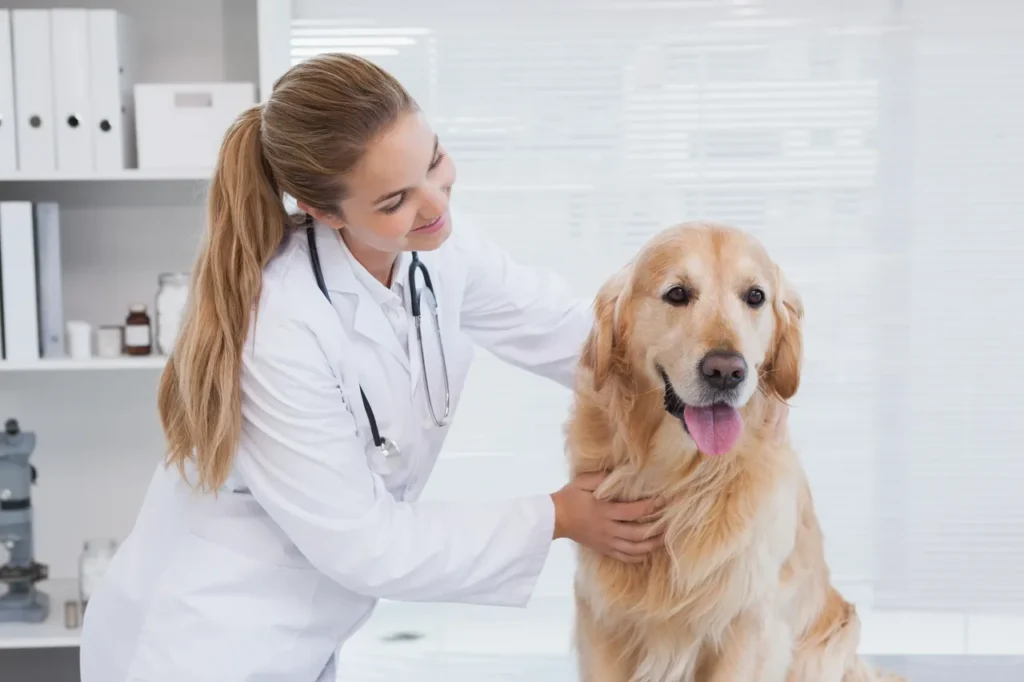
When a dog starts losing weight despite having a strong appetite, seems unusually restless, drinks more water, or develops a rapid heartbeat, thyroid disease may be one possible explanation. While hypothyroidism, or an underactive thyroid, is relatively common in dogs, hyperthyroidism in dogs is rare.
Hyperthyroidism occurs when there is too much thyroid hormone circulating in the bloodstream. Because thyroid hormones influence metabolism and many other processes throughout the body, excessive levels can affect a dog’s weight, heart rate, behavior, digestion, and overall health.
In dogs, true naturally occurring hyperthyroidism is uncommon and may sometimes be associated with a functional thyroid tumor. Dogs receiving thyroid hormone medication for hypothyroidism can also develop signs of excessive thyroid hormone if their medication dose is too high.
One of the reasons I started this website is because I know what it’s like to leave the veterinary clinic with more questions than answers. Even with animal science degrees and a career in veterinary medicine, I’ve found myself going home after appointments and spending hours reading veterinary journals, talking with specialists, and trying to learn everything I could to help my own pets.
Over the years, I’ve cared for dogs with complex medical conditions, and I understand how overwhelming it can feel when you’re trying to make the best decisions for a pet you love. That’s why I write these guides—to combine my education, experience, and personal research into one place that’s easy for pet owners to understand.
This article isn’t a substitute for your veterinarian’s advice, but my goal is to help you better understand the condition, know what questions to ask, and learn about the treatments, diets, supplements, and products that may help improve your dog’s quality of life.
In this guide, we’ll cover everything you need to know about hyperthyroidism in dogs, including symptoms, causes, diagnosis, treatment options, prognosis, and how to support your dog’s overall health during treatment.
What Is Hyperthyroidism in Dogs?
The thyroid glands are located in the neck and produce hormones that help regulate metabolism.
The primary thyroid hormones are known as T3 and T4. These hormones influence many important functions within the body, including:
- Metabolism
- Heart rate
- Body temperature
- Energy levels
- Digestion
- Weight regulation
When too much thyroid hormone is produced or administered, the body’s metabolism can become abnormally accelerated.
This condition is called hyperthyroidism.
Hyperthyroidism is much more common in cats than dogs. In dogs, veterinarians typically investigate an underlying cause when thyroid hormone levels are unexpectedly elevated.
Hyperthyroidism vs. Hypothyroidism in Dogs
These two conditions are opposites.
Hyperthyroidism
The body has too much thyroid hormone.
Possible symptoms include:
- Weight loss
- Increased appetite
- Restlessness
- Rapid heart rate
- Increased thirst
Hypothyroidism
The body has too little thyroid hormone.
Possible symptoms include:
- Weight gain
- Lethargy
- Hair loss
- Skin problems
- Cold intolerance
Hypothyroidism is significantly more common in dogs.
Symptoms of Hyperthyroidism in Dogs
Because thyroid hormones regulate metabolism, excessive levels can affect multiple systems throughout the body.
Possible signs include:
- Weight loss despite normal or increased appetite
- Increased hunger
- Increased thirst
- Increased urination
- Restlessness
- Hyperactivity
- Panting
- Rapid heartbeat
- Increased heart rate
- Diarrhea
- Vomiting
- Increased stool volume
- Muscle weakness
- Difficulty gaining weight
- Poor body condition
Symptoms vary depending on the underlying cause and severity of the condition.
What Causes Hyperthyroidism in Dogs?
There are several potential causes of excessive thyroid hormone levels.
Thyroid Tumors
One possible cause of naturally occurring hyperthyroidism is a functional thyroid tumor.
Most thyroid tumors in dogs do not produce excessive thyroid hormones. However, some functional tumors can release thyroid hormones into the bloodstream.
Thyroid tumors may also cause:
- A lump or swelling in the neck
- Difficulty swallowing
- Coughing
- Changes in barking
- Difficulty breathing
Any unexplained lump in the neck should be evaluated by a veterinarian.
Too Much Thyroid Medication
Dogs diagnosed with hypothyroidism are commonly treated with synthetic thyroid hormone replacement medication.
If the dose is too high, dogs may develop excessive thyroid hormone levels.
Signs may include:
- Panting
- Restlessness
- Increased thirst
- Increased appetite
- Weight loss
- Rapid heartbeat
- Hyperactivity
Veterinarians typically monitor thyroid hormone levels through routine blood tests and adjust medication doses when necessary.
Never change your dog’s thyroid medication without consulting your veterinarian.
Dietary Exposure
In rare cases, excessive thyroid hormone levels have been associated with diets or treats containing thyroid tissue from animal neck or throat products.
If your veterinarian suspects dietary exposure, they may recommend reviewing your dog’s food, treats, chews, and supplements.
Which Dogs Are Most at Risk?
Because true hyperthyroidism is rare, there is no single group of dogs that accounts for most cases.
However, increased thyroid hormone levels may be more likely in:
- Dogs receiving thyroid hormone medication
- Dogs with functional thyroid tumors
- Dogs consuming certain animal-based products containing thyroid tissue
- Older dogs with thyroid masses
Any dog showing unexplained weight loss or metabolic changes should receive a veterinary evaluation.
How Is Hyperthyroidism Diagnosed?
Diagnosis usually begins with a physical examination and blood testing.
Your veterinarian may recommend:
- Complete blood count (CBC)
- Blood chemistry panel
- Urinalysis
- Total T4 testing
- Free T4 testing
- Additional thyroid hormone testing
- Neck examination
- Ultrasound
- X-rays
- CT scan
If a thyroid tumor is suspected, additional imaging may be necessary to determine its size and whether it has spread.
Treatment for Hyperthyroidism in Dogs
Treatment depends entirely on the underlying cause.
Adjusting Thyroid Medication
If excessive thyroid hormone is caused by an overly high dose of thyroid medication, your veterinarian may adjust the dosage.
Never stop or change medication without veterinary guidance.
Surgery
Some thyroid tumors can be surgically removed.
Surgery may be an option when the tumor is:
- Localized
- Mobile
- Accessible
- Not extensively attached to surrounding structures
Your veterinarian or veterinary oncologist will determine whether surgery is appropriate.
Radiation Therapy
Radiation therapy may be recommended for thyroid tumors that cannot be completely removed surgically.
Radioactive Iodine Therapy
Radioactive iodine therapy may be considered in certain cases involving functional thyroid tissue.
Availability varies, and treatment is typically performed at specialty veterinary hospitals.
Chemotherapy or Targeted Therapy
For certain thyroid cancers, veterinary oncologists may recommend chemotherapy or other systemic treatments.
The appropriate treatment depends on tumor type, stage, and overall health.
What Is the Prognosis for Dogs With Hyperthyroidism?
The prognosis depends heavily on the underlying cause.
Dogs experiencing excessive thyroid hormone levels because of medication often improve once the dosage is corrected.
Dogs with functional thyroid tumors have a more variable prognosis depending on:
- Tumor size
- Whether the tumor can be removed
- Whether cancer has spread
- Response to treatment
- Overall health
Early diagnosis generally provides more treatment options.
Diet for Dogs With Hyperthyroidism
There is no universal “hyperthyroidism diet” for dogs.
The best diet depends on your dog’s:
- Age
- Body condition
- Underlying diagnosis
- Other medical conditions
- Treatment plan
Dogs experiencing weight loss may require carefully balanced nutrition to maintain muscle mass and healthy body condition.
However, simply increasing calories without addressing the underlying thyroid problem will not resolve the condition.
Essential Pick: High-quality balanced dog foods
Supplements for Dogs With Hyperthyroidism
There is no over-the-counter supplement proven to cure hyperthyroidism in dogs. Because thyroid disease can affect metabolism and the cardiovascular system, supplements should always be discussed with your veterinarian.
Be particularly cautious with supplements marketed as “thyroid support.” Some products may contain ingredients that aren’t appropriate for dogs with excessive thyroid hormone levels.
However, certain supplements may support general health when recommended by your veterinarian.
Omega-3 Fatty Acids
Omega-3 fatty acids found in fish oil may help support a normal inflammatory response and provide benefits for:
- Skin and coat health
- Joint health
- Cardiovascular health
- Brain function
Omega-3 supplements do not treat hyperthyroidism itself, but they may be used to support overall health depending on your dog’s medical needs.
Great Choice: High-quality, veterinarian-approved fish oil supplements formulated for dogs.
Probiotics
Dogs experiencing diarrhea or other digestive changes may sometimes benefit from probiotics.
Potential benefits include:
- Supporting a healthy gut microbiome
- Promoting normal digestion
- Supporting healthy stool quality
- Supporting intestinal immune function
Probiotics will not correct abnormal thyroid hormone levels but may provide general digestive support when appropriate.
Top Choice: Veterinary-formulated canine probiotics.
Monitoring a Dog With Thyroid Disease
Dogs being treated for thyroid disorders typically require ongoing monitoring.
Your veterinarian may recommend:
- Routine blood tests
- Thyroid hormone testing
- Weight monitoring
- Heart rate monitoring
- Medication adjustments
- Follow-up imaging when tumors are present
Keeping track of symptoms at home can also be helpful.
Watch for changes in:
- Appetite
- Weight
- Water consumption
- Urination
- Energy levels
- Panting
- Restlessness
A digital pet scale or regular weigh-ins can help identify subtle weight changes.
Helpful Items: Digital pet scales, medication organizers, pill cases
Can Hyperthyroidism Be Prevented?
Not every case can be prevented.
However, some steps may reduce the risk of complications:
- Give thyroid medication exactly as prescribed.
- Attend recommended follow-up appointments.
- Complete routine thyroid blood tests.
- Avoid changing medication doses without veterinary guidance.
- Tell your veterinarian about all supplements and treats your dog receives.
- Have unexplained neck lumps evaluated promptly.
Early detection is especially important when thyroid tumors are involved.
Products That May Help When Managing Thyroid Disease
Depending on your dog’s treatment plan, helpful products may include:
When Should You Contact Your Veterinarian?
Schedule an appointment if your dog develops:
- Unexplained weight loss
- Extreme hunger
- Increased thirst
- Increased urination
- Persistent panting
- Rapid heartbeat
- Unusual hyperactivity
- Restlessness
- Chronic diarrhea
- A lump or swelling in the neck
Dogs already taking thyroid medication should be evaluated if new symptoms develop, as their dosage may need to be reassessed.
Seek urgent veterinary care if your dog develops severe weakness, collapse, difficulty breathing, or other sudden and serious symptoms.
Final Thoughts
Hyperthyroidism in dogs is rare, especially compared with hypothyroidism, but excessive thyroid hormone levels can still occur and should always be investigated.
In some dogs, the cause is relatively straightforward, such as receiving too much thyroid replacement medication. In others, naturally occurring hyperthyroidism may be associated with a functional thyroid tumor or another underlying condition that requires additional testing.
If your dog is losing weight despite eating well, seems unusually restless, drinks more water than normal, or develops a rapid heartbeat, schedule a veterinary examination rather than assuming the symptoms are simply related to aging.
With an accurate diagnosis and treatment directed at the underlying cause, many dogs with elevated thyroid hormone levels can be successfully managed.
Frequently Asked Questions About Hyperthyroidism in Dogs
Is hyperthyroidism common in dogs?
No. Hyperthyroidism is rare in dogs. Hypothyroidism, which occurs when the body does not produce enough thyroid hormone, is much more common.
What are the symptoms of hyperthyroidism in dogs?
Possible symptoms include weight loss despite an increased appetite, restlessness, panting, increased thirst and urination, diarrhea, and a rapid heartbeat.
What causes hyperthyroidism in dogs?
Potential causes include functional thyroid tumors, excessive thyroid replacement medication, and, in rare cases, dietary exposure to thyroid tissue.
Can thyroid medication cause hyperthyroidism in dogs?
Yes. A dog receiving too much thyroid hormone replacement medication can develop signs associated with excessive thyroid hormone levels. Regular blood testing helps veterinarians determine whether the dosage needs adjustment.
Can hyperthyroidism cause weight loss in dogs?
Yes. Excessive thyroid hormones can increase metabolism, causing dogs to lose weight even when they are eating normally or consuming more food than usual.
Is hyperthyroidism in dogs a sign of cancer?
Not always. However, naturally occurring hyperthyroidism in dogs may sometimes be associated with a functional thyroid tumor, which is why further diagnostic testing is important.
Can hyperthyroidism in dogs be cured?
The answer depends on the cause. Medication-induced excessive thyroid hormone levels may resolve after the dosage is corrected. Dogs with thyroid tumors may require surgery, radiation therapy, radioactive iodine, or other treatments.
Are there natural treatments for hyperthyroidism in dogs?
There is no supplement or home remedy proven to safely treat hyperthyroidism in dogs. Treatment should address the underlying cause and be managed by a veterinarian.
Should I give my dog a thyroid support supplement?
Not without consulting your veterinarian. Some supplements marketed for thyroid health may be inappropriate for dogs with excessive thyroid hormone levels and could potentially interfere with treatment.
Can dogs live a normal life with hyperthyroidism?
Many dogs can do well when the underlying cause is identified and appropriately treated. Prognosis varies significantly depending on whether excessive thyroid hormone is caused by medication, dietary exposure, or a thyroid tumor.

The Snout and About team includes pet owners and animal health professionals with backgrounds in animal science and veterinary medicine and firsthand experience managing serious pet health conditions. Our goal is to make veterinary information accessible and actionable for everyday pet owners.