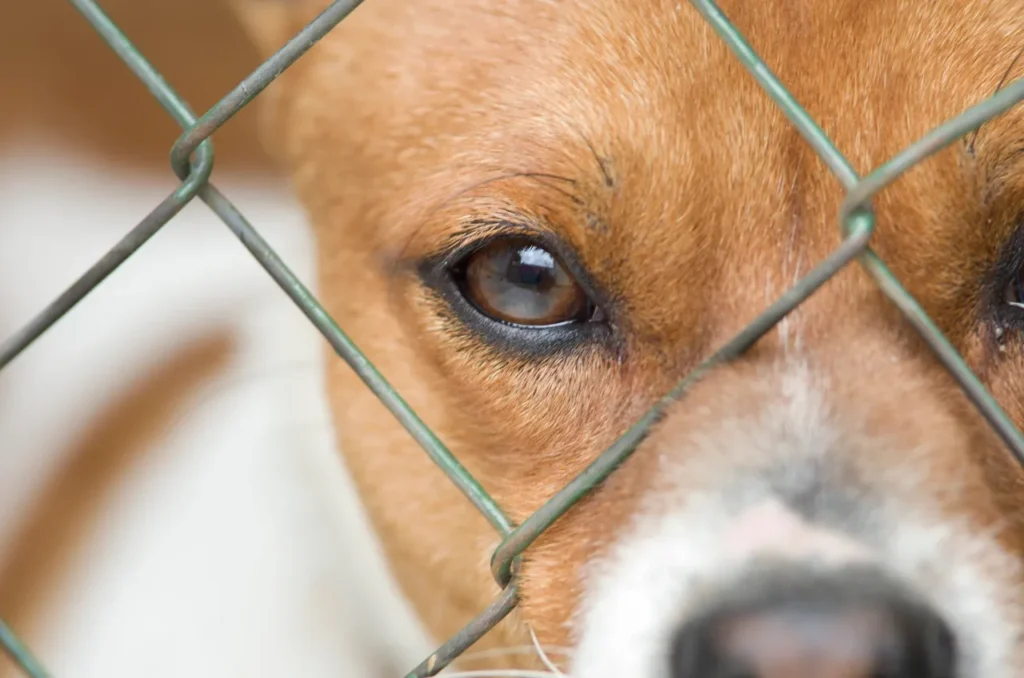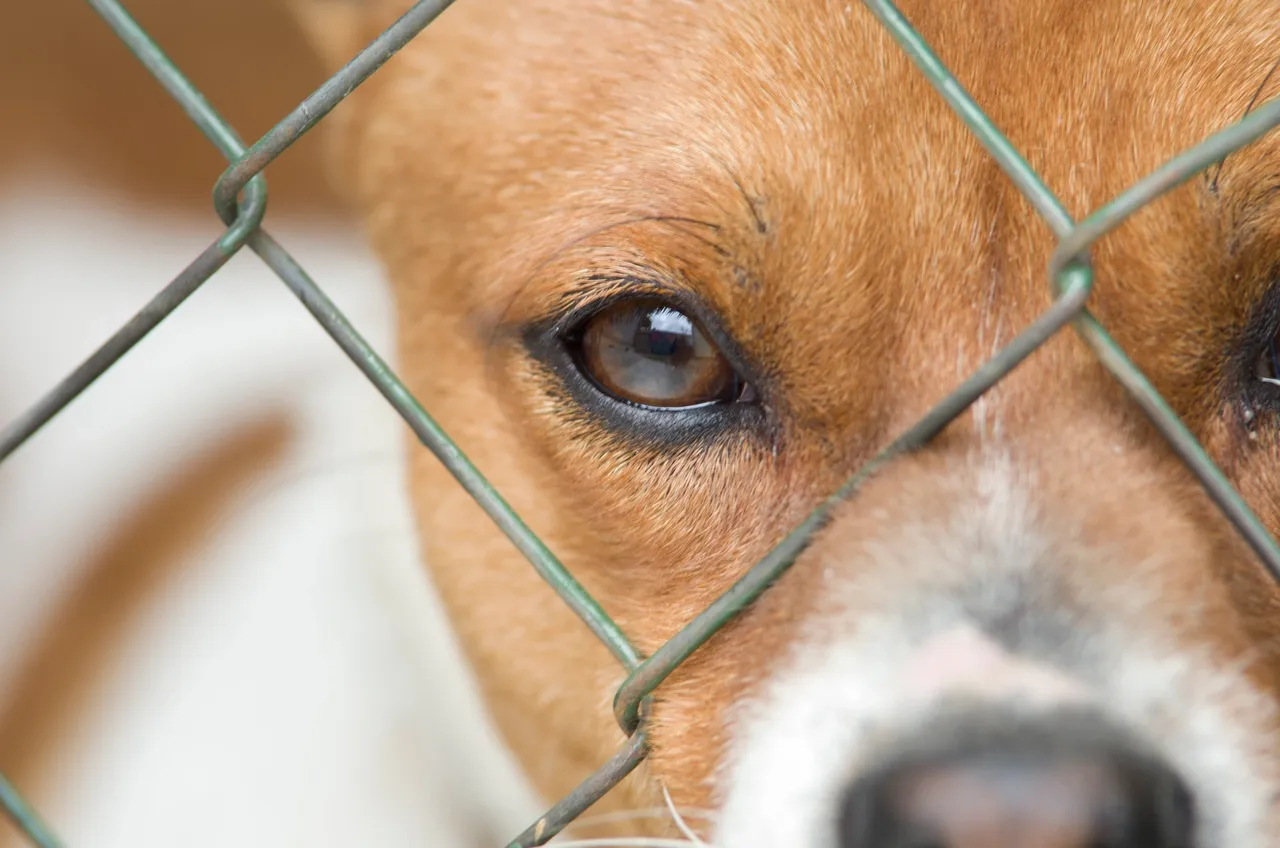
If you’ve noticed that your dog’s eyes are becoming cloudy or developing a white or bluish appearance, it’s natural to wonder whether they may have cataracts. Cataracts are a relatively common eye condition in dogs, particularly in certain breeds, older dogs, and dogs with diabetes.
Cataracts occur when the normally clear lens inside the eye becomes cloudy. Small cataracts may have little effect on vision, while advanced cataracts can eventually cause significant vision loss or blindness.
One important thing to know is that cloudy eyes in dogs do not always mean cataracts. A normal age-related change called nuclear sclerosis can also give the eyes a cloudy or bluish appearance without severely affecting vision. Other eye diseases can look similar as well, so any noticeable change in your dog’s eyes deserves a veterinary examination.
Fortunately, many dogs with cataracts continue to live happy, active lives. In appropriate candidates, cataract surgery for dogs can even restore vision.
In this guide, we’ll cover the signs of cataracts in dogs, what causes them, how quickly they progress, treatment options, cataract surgery, supplements for eye health, costs and recovery considerations, and how to help a dog experiencing vision loss.
What Are Cataracts in Dogs?
Inside your dog’s eye is a structure called the lens.
The lens is normally transparent and helps focus light onto the retina at the back of the eye. The retina then converts that light into signals that travel to the brain and create vision.
A cataract develops when proteins within the lens change and cause part or all of it to become opaque.
Depending on its size and location, a cataract may interfere with the amount of light reaching the retina.
Cataracts can affect:
- One eye
- Both eyes
- A small portion of the lens
- Most or all of the lens
Some remain small for years, while others progress relatively quickly.
What Do Cataracts Look Like in Dogs?
Cataracts often make the center of the eye appear:
- White
- Gray
- Milky
- Cloudy
- Bluish-white
As cataracts become more advanced, the pupil may look increasingly white or opaque.
However, you cannot reliably diagnose a cataract just by looking at your dog’s eye.
Several other conditions can cause cloudiness, including nuclear sclerosis, corneal disease, inflammation inside the eye, and glaucoma.
If you notice a change in the appearance of one or both eyes, schedule a veterinary examination.
Symptoms of Cataracts in Dogs
The visible cloudiness may be the first thing owners notice, but vision changes can also cause behavioral symptoms.
Possible signs of cataracts in dogs include:
- Cloudy eyes
- White appearance inside the pupil
- Bumping into furniture
- Difficulty navigating stairs
- Hesitation in unfamiliar places
- Trouble finding toys
- Difficulty catching treats
- Becoming startled more easily
- Reluctance to move around in dim lighting
- Misjudging jumps
- Walking cautiously
- Increased dependence on owners
Dogs with cataracts in only one eye may compensate so well that vision loss is difficult to notice.
Cataracts vs. Nuclear Sclerosis in Dogs
One of the most common questions owners have is whether their senior dog’s cloudy eyes are cataracts.
Sometimes they’re not.
Nuclear sclerosis, also called lenticular sclerosis, is a normal age-related change in the lens.
It often gives both eyes a bluish-gray or hazy appearance.
The major difference is that nuclear sclerosis generally causes only minor changes in vision, while cataracts can significantly block light and eventually cause blindness.
Nuclear sclerosis typically doesn’t require treatment.
Because the two conditions can look similar at home, your veterinarian can examine the lens and determine what’s actually causing the cloudiness.
What Causes Cataracts in Dogs?
There are several possible causes.
Genetics
Inherited cataracts are a major cause of cataracts in dogs.
They can sometimes develop in relatively young dogs, so cataracts should not automatically be considered an age-related problem.
Depending on the breed and inherited condition, cataracts may appear during puppyhood, adulthood, or later in life.
Diabetes
Diabetes mellitus is an especially important cause of cataracts in dogs.
High blood sugar causes changes inside the lens that draw water into it, eventually leading to cataract formation.
Diabetic cataracts can progress rapidly.
A dog diagnosed with diabetes should therefore receive regular veterinary eye examinations, particularly if you notice any new cloudiness.
Aging
Cataracts can develop as dogs age, although many cloudy-eyed senior dogs actually have nuclear sclerosis rather than true cataracts.
Your veterinarian can distinguish between the two.
Eye Injuries
Trauma to the eye can damage the lens and cause cataract formation.
Any significant eye injury should be evaluated promptly.
Inflammation Inside the Eye
Inflammation within the eye, known as uveitis, may contribute to cataract development.
Cataracts themselves can also eventually trigger inflammation, creating additional complications.
Nutritional Problems
Certain nutritional deficiencies can contribute to cataract formation, particularly in very young animals fed severely unbalanced diets.
Dogs eating a complete and balanced commercial diet are unlikely to develop cataracts because of nutritional deficiency.
Which Dog Breeds Are Prone to Cataracts?
Inherited cataracts occur more frequently in certain breeds.
Breeds that may have an increased risk include:
- American Cocker Spaniels
- Boston Terriers
- Miniature Schnauzers
- Siberian Huskies
- Poodles
- Golden Retrievers
- Labrador Retrievers
- Australian Shepherds
- Bichon Frises
- West Highland White Terriers
However, any dog can develop cataracts.
Mixed-breed dogs are not immune.
Can Young Dogs Get Cataracts?
Yes.
Cataracts aren’t exclusively a senior dog problem.
Some inherited cataracts develop in puppies or young adult dogs. Diabetes, eye trauma, inflammation, and developmental abnormalities can also cause cataracts in younger animals.
If a young dog’s eye becomes cloudy, don’t assume it’s harmless simply because of their age.
Stages of Cataracts in Dogs
Veterinary ophthalmologists may describe cataracts according to how much of the lens is affected.
Incipient Cataracts
An incipient cataract involves a relatively small portion of the lens.
Vision may be minimally affected.
Immature Cataracts
More of the lens becomes cloudy, but some clear areas remain.
Vision may become noticeably impaired.
Mature Cataracts
A mature cataract involves essentially the entire lens and can cause severe vision impairment.
The pupil may appear obviously white.
Hypermature Cataracts
Over time, a mature cataract can undergo additional changes as lens material begins to break down.
Hypermature cataracts may be associated with inflammation and other complications.
Do Cataracts Hurt Dogs?
The cataract itself doesn’t necessarily cause pain simply because vision is reduced.
However, cataracts can lead to painful complications, particularly inflammation inside the eye.
Potential complications include:
- Lens-induced uveitis
- Glaucoma
- Lens instability
- Retinal problems
Signs of eye pain may include:
- Squinting
- Keeping an eye closed
- Excessive tearing
- Redness
- Pawing at the eye
- Rubbing the face
- Light sensitivity
Eye pain should never be ignored.
Can Cataracts Cause Blindness in Dogs?
Yes.
Advanced cataracts can block enough light from reaching the retina to cause severe vision loss or functional blindness.
The degree of vision impairment depends on how much of the lens is affected.
Fortunately, dogs often adapt remarkably well to gradual vision loss.
How Are Cataracts Diagnosed?
Your veterinarian will examine your dog’s eyes and may perform several tests.
These can include:
- Ophthalmic examination
- Pupillary light reflex testing
- Tear production testing
- Fluorescein staining
- Eye pressure measurement
If cataract surgery is being considered, your dog will usually be referred to a board-certified veterinary ophthalmologist.
Additional testing may be performed to determine whether the retina is healthy enough for surgery to restore useful vision.
Treatment for Cataracts in Dogs
There is currently no proven medication, supplement, or eye drop that reliably dissolves an established cataract and restores a clear lens.
The only treatment capable of removing a cataract and potentially restoring vision is surgery.
That doesn’t mean every dog with cataracts needs surgery.
Small cataracts that don’t significantly interfere with vision may simply be monitored.
Dogs that aren’t surgical candidates may also be managed medically to monitor and control complications.
Cataract Surgery for Dogs
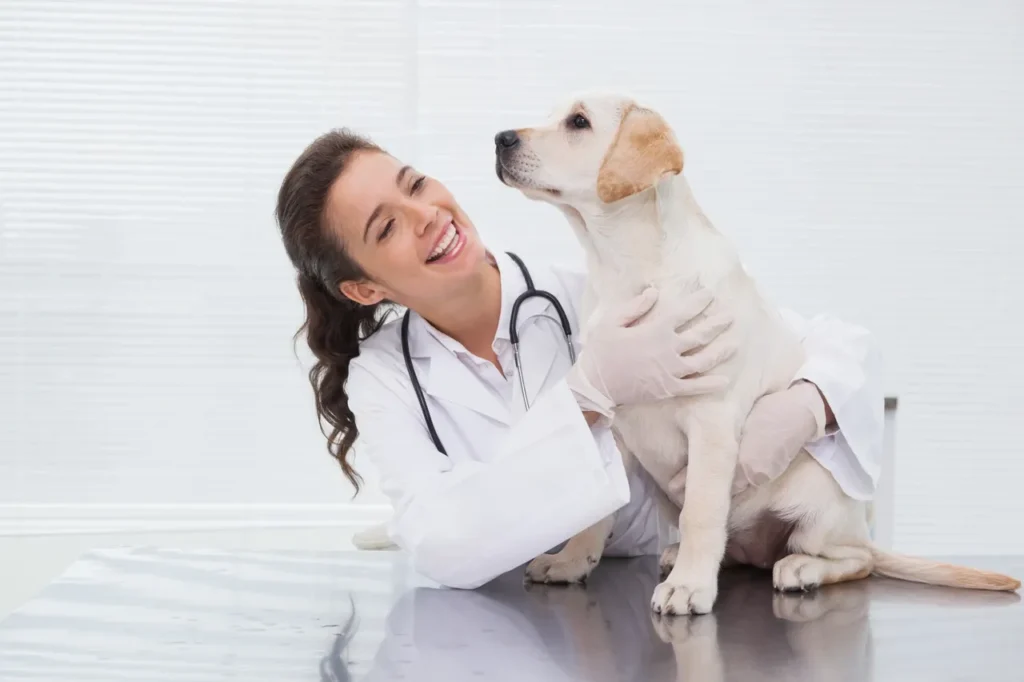
Cataract surgery in dogs is performed by a veterinary ophthalmologist.
A technique called phacoemulsification is commonly used.
During the procedure, the surgeon breaks apart and removes the cloudy lens material.
In many cases, an artificial intraocular lens is then placed inside the eye to improve focusing ability.
Successful surgery can provide dramatic improvements in vision.
Is Cataract Surgery Worth It for Dogs?
For an appropriate candidate, cataract surgery can significantly improve quality of life.
A good candidate generally needs:
- A healthy enough retina
- Manageable eye inflammation
- Appropriate overall health for anesthesia
- Owners able to provide intensive postoperative care
Age alone doesn’t necessarily disqualify a dog from surgery.
A healthy senior dog may still be an excellent candidate.
What Is Recovery Like After Cataract Surgery?
Postoperative care is extremely important.
Dogs commonly need:
- Multiple eye medications
- An Elizabethan collar
- Activity restrictions
- Several follow-up examinations
- Close monitoring for complications
Eye drops may initially need to be administered several times throughout the day.
Following the ophthalmologist’s instructions carefully is essential.
Helpful Choices: Soft recovery cones, medication organizers, pet medication reminder charts, nonslip rugs, and supportive dog beds.
Can Cataracts Come Back After Surgery?
The removed cataract itself cannot grow back because the cloudy lens material has been removed.
However, changes to the remaining lens capsule can sometimes cause cloudiness after surgery.
Your veterinary ophthalmologist can explain the possible long-term complications and monitoring requirements.
What Happens If My Dog Doesn’t Have Cataract Surgery?
Not every dog undergoes surgery.
Some cataracts remain small and cause limited vision problems. Other dogs may not be candidates because of retinal disease, other eye conditions, or overall health concerns.
Dogs with untreated cataracts should still receive veterinary monitoring because cataracts can cause inflammation and other complications even if surgery isn’t pursued.
A blind dog can also maintain an excellent quality of life with appropriate environmental adjustments.
Helping a Dog With Vision Loss at Home
Dogs rely heavily on smell, hearing, memory, and routine, so many adapt surprisingly well to reduced vision.
Helpful strategies include:
- Keep furniture in consistent locations.
- Avoid leaving objects in walkways.
- Block access to dangerous stairs when necessary.
- Use rugs to create tactile pathways.
- Speak before touching your dog.
- Keep food and water bowls in the same location.
- Use verbal cues when approaching stairs or obstacles.
- Supervise your dog in unfamiliar environments.
Top Picks: Pet gates, nonslip runners, textured mats, orthopedic beds, reflective harnesses, and halo-style mobility aids for blind dogs.
Supplements for Dogs With Cataracts and Eye Health
This is an area where it’s especially important to separate supporting general eye health from claiming that a supplement can reverse cataracts.
No supplement has been proven to remove an established cataract.
However, some nutrients play important roles in normal eye health.
Omega-3 Fatty Acids
Omega-3 fatty acids, particularly DHA and EPA, have roles throughout the body and may support:
- Normal retinal function
- A healthy inflammatory response
- Brain health
- Heart health
- Skin and coat health
- Joint health
Omega-3 supplementation will not dissolve a cataract, but it may be appropriate as part of your dog’s overall nutritional plan.
Essential Pick: High-quality veterinary omega-3 fish oil.
Antioxidant Eye Supplements
Some canine eye-health supplements contain combinations of antioxidants and nutrients such as:
- Vitamin C
- Vitamin E
- Lutein
- Zeaxanthin
- Beta-carotene
Antioxidants help protect cells from oxidative damage, and compounds such as lutein and zeaxanthin are naturally associated with ocular tissues.
However, evidence that supplements can stop or reverse existing canine cataracts is limited.
Think of these products as potential nutritional eye support, not cataract treatment.
Top Choice: Veterinary-formulated canine eye-health supplements containing lutein and other antioxidants.
Bilberry Supplements
Bilberry is included in some supplements marketed for eye health because it contains antioxidant compounds known as anthocyanins.
Although laboratory research makes these compounds interesting from an eye-health perspective, there isn’t strong evidence that bilberry treats or reverses cataracts in dogs.
If you’re considering it, choose a veterinary-formulated product and discuss it with your veterinarian.
Helpful Choice: Veterinary eye-support supplements containing bilberry rather than human high-dose products.
Can Cataracts Be Treated Naturally?
You’ll find many products online claiming to “reverse dog cataracts naturally.”
Be cautious.
At this time, there is no scientifically established natural remedy, supplement, or over-the-counter eye drop that can reliably dissolve a cataract and restore the lens to normal clarity.
Products marketed as alternatives to surgery should not delay veterinary evaluation.
This is particularly important because what appears to be a cataract at home could actually be another eye condition requiring different treatment.
Can Cataracts Be Prevented?
Not all cataracts can be prevented, particularly inherited forms.
However, you may be able to reduce certain risks by:
- Managing diabetes carefully
- Feeding a complete and balanced diet
- Protecting your dog from eye injuries
- Treating eye inflammation promptly
- Scheduling routine veterinary examinations
- Having new eye changes evaluated early
For diabetic dogs, maintaining good diabetes management is particularly important, although cataracts may still develop despite appropriate treatment.
Products That Can Help Dogs With Cataracts or Vision Loss
Helpful products may include:
- Veterinary omega-3 supplements
- Veterinary eye-health supplements
- Soft recovery cones
- Nonslip rugs and runners
- Pet gates
- Nightlights
- Textured floor mats
- Blind-dog halo harnesses
- Supportive orthopedic beds
- Harnesses with handles
- Medication organizers
- Pet stairs or ramps where appropriate
These types of products can be particularly valuable for dogs whose cataracts are causing noticeable vision impairment.
When Is a Cloudy Eye an Emergency?
Gradually developing cloudiness isn’t always an emergency, but certain symptoms require prompt veterinary attention.
Seek veterinary care quickly if your dog develops:
- Sudden cloudiness
- A suddenly blue or hazy eye
- Severe redness
- Squinting
- Eye swelling
- Excessive tearing
- Pawing at the eye
- Sudden vision loss
- An enlarged or bulging eye
- An obvious eye injury
Conditions such as glaucoma can cause irreversible vision loss rapidly, so don’t assume sudden eye cloudiness is simply a cataract.
When Should You Contact Your Veterinarian?
Schedule an examination whenever you notice a significant change in the appearance of your dog’s eyes.
This is especially important if your dog:
- Develops cloudy or white pupils
- Begins bumping into objects
- Becomes hesitant on stairs
- Has difficulty seeing in low light
- Develops eye redness
- Squints or appears painful
- Has diabetes and develops eye changes
Early evaluation gives you more time to understand the cause and discuss treatment options.
Final Thoughts
Cataracts in dogs can range from tiny areas of lens cloudiness that barely affect vision to advanced cataracts that cause functional blindness. While cataracts are more common in certain breeds, senior dogs, and dogs with diabetes, they can occur at virtually any age.
The first step is determining whether the cloudiness is actually a cataract. Nuclear sclerosis and several eye diseases can create a similar appearance, and some of those conditions require very different treatment.
If cataracts are confirmed, don’t assume blindness is inevitable. Cataract surgery can restore useful vision in many appropriately selected dogs, while dogs who don’t undergo surgery often adapt remarkably well to vision loss with a safe and predictable home environment.
Supplements and good nutrition may support general eye health, but they shouldn’t be marketed or viewed as a cure for cataracts. Currently, surgery is the treatment that can actually remove an established cataract.
Most importantly, pay attention to sudden changes. A slowly developing cloudy lens and a suddenly painful, cloudy eye are very different situations.
Whether your dog’s cataracts are simply being monitored or you’re considering surgery, regular veterinary eye examinations can help protect their comfort, vision, and quality of life.
Frequently Asked Questions About Cataracts in Dogs
What do cataracts look like in dogs?
Cataracts usually create a white, gray, milky, or opaque appearance within the lens of the eye. However, nuclear sclerosis and other eye diseases can also cause cloudiness, so a veterinary examination is needed for diagnosis.
What causes cataracts in dogs?
Common causes include inherited genetic conditions, diabetes, aging, eye trauma, inflammation, and certain developmental or nutritional problems.
At what age do dogs get cataracts?
There isn’t one specific age. Inherited cataracts may develop in young dogs, while other forms become more common later in life.
Are cloudy eyes always cataracts?
No. Older dogs commonly develop nuclear sclerosis, which creates a bluish haze but usually has much less effect on vision. Other eye diseases can also cause cloudiness.
Can cataracts make a dog blind?
Yes. Advanced cataracts can prevent enough light from reaching the retina to cause severe vision impairment or functional blindness.
Are cataracts painful for dogs?
Cataracts themselves aren’t necessarily painful, but they can cause inflammation and contribute to painful complications such as glaucoma.
Can cataracts in dogs be reversed naturally?
There is currently no proven natural treatment, supplement, or over-the-counter eye drop that reliably dissolves established cataracts.
Do cataract eye drops for dogs work?
No non-surgical eye drop has been established as a reliable way to dissolve an existing canine cataract and restore normal lens clarity. Discuss any product claiming to reverse cataracts with your veterinarian before using it.
What is the treatment for cataracts in dogs?
Small cataracts may simply be monitored. For dogs experiencing significant vision impairment, surgical removal of the cataract is the treatment that can potentially restore vision.
Is cataract surgery successful in dogs?
Many appropriately selected dogs regain useful vision after cataract surgery. Individual success depends on the health of the retina, the condition of the eye, postoperative care, and other factors.
Is an old dog too old for cataract surgery?
Not necessarily. Overall health and eye health are more important than age alone. A veterinary ophthalmologist can determine whether a senior dog is an appropriate candidate.
How long does cataract surgery recovery take?
Recovery requires several weeks of close monitoring, medication, and activity restrictions. Eye drops may initially need to be administered frequently, and multiple follow-up examinations are typically required.
Can diabetes cause cataracts in dogs?
Yes. Diabetes is an important cause of cataracts in dogs, and diabetic cataracts can develop and progress rapidly.
Can fish oil help cataracts in dogs?
Fish oil won’t remove or reverse cataracts. Omega-3 fatty acids may support general retinal, inflammatory, cardiovascular, joint, skin, and brain health as part of a balanced nutritional plan.
What supplements are good for dogs with cataracts?
Veterinary eye-health supplements may contain nutrients such as lutein, zeaxanthin, vitamin E, vitamin C, or omega-3 fatty acids. These may provide nutritional support for eye health, but they should not be expected to eliminate established cataracts.
Can dogs live happily with cataracts?
Absolutely. Dogs often adapt extremely well to reduced vision by relying on smell, hearing, memory, and routine. Keeping the home predictable and making a few safety adjustments can help dogs with significant vision loss remain active and confident.
When should I worry about my dog’s cloudy eyes?
Any new eye cloudiness should be evaluated, but seek prompt veterinary care if it develops suddenly or is accompanied by redness, squinting, pain, swelling, excessive tearing, or sudden vision loss.

The Snout and About team includes pet owners and animal health professionals with backgrounds in animal science and veterinary medicine and firsthand experience managing serious pet health conditions. Our goal is to make veterinary information accessible and actionable for everyday pet owners.