Chemotherapy can save a dog’s life—but nausea, drooling, lip-licking, vomiting, and food refusal can make treatment days miserable. The good news: with the right plan, most chemo-related nausea can be controlled. Prescription antiemetics are the first line of defense, but well-chosen supplements can fill the gaps—supporting appetite, settling the stomach, and helping your dog keep calories down.
Important note: Supplements support—not replace—veterinary anti-nausea meds. Always clear new products with your vet or oncology team.
One of the reasons I started this website is because I know what it’s like to leave the veterinary clinic with more questions than answers. Even with animal science degrees and a career in veterinary medicine, I’ve found myself going home after appointments and spending hours reading veterinary journals, talking with specialists, and trying to learn everything I could to help my own pets.
Over the years, I’ve cared for animals with complex medical conditions, and I understand how overwhelming it can feel when you’re trying to make the best decisions for a pet you love. That’s why I write these guides—to combine my education, experience, and personal research into one place that’s easy for pet owners to understand.
This article isn’t a substitute for your veterinarian’s advice, but my goal is to help you better understand the condition, know what questions to ask, and learn about the treatments, diets, supplements, and products that may help improve your dog’s quality of life.
First Things First: How Chemo Causes Nausea in Dogs
Dogs experience chemo nausea through two main pathways:
- Gut lining irritation and slowed motility (queasy belly, drooling, grass eating)
- Central “vomiting center” stimulation (true nausea, retching, vomiting)
That’s why combination care works best:
- Prescription meds block brain/gut signals (e.g., maropitant, ondansetron, metoclopramide)
- Supplements soothe the GI lining, reduce inflammation, and support appetite signals
You’ll get the best results by pairing your vet’s meds with targeted, gentle supplements and a chemo-day feeding plan.
The Best Anti-Nausea Supplements for Dogs on Chemo
These options are widely used by integrative veterinarians to calm the GI tract, reduce queasiness, and encourage eating. Choose 2–4 that fit your dog, and introduce one at a time.
1) Ginger (Zingiber officinale)
- Why it helps: Time-tested antiemetic that calms stomach contractions and improves gastric emptying.
- Benefits: Reduces motion- and chemo-related nausea; helps with bloating/gas.
- Forms: Powder, soft chews, capsules; often paired with other tummy soothers.
- General guidance: About 2–5 mg per lb body weight daily, split with meals (use pet-formulated products and follow label).
- Tips:
- Give with food to avoid throat burn.
- Avoid high doses if your dog is on blood thinners or has a bleeding disorder.
- Ginger digestive soft chews for dogs
2) Slippery Elm Bark (Ulmus rubra)
- Why it helps: Mucilage coats and protects irritated stomach and intestinal lining.
- Benefits: Eases nausea, soft stools, and reflux; very gentle.
- Forms: Powder mixed with water into a slurry; capsules and chews available.
- General guidance: ~50–200 mg per dose depending on size, 1–2x daily; follow pet label.
- Timing: Separate from oral meds by 2–3 hours—it can reduce absorption.
- Slippery elm powder for pets
3) L-Glutamine
- Why it helps: Key fuel for enterocytes (gut lining cells); supports mucosal repair after chemo irritation.
- Benefits: Reduces gut soreness and may improve appetite tolerance.
- General guidance: Often 250–500 mg for small/medium dogs, 500–1,000+ mg for large dogs daily (vet-guided; follow label).
- Notes: Give with food; avoid if your oncologist has specific contraindications.
- Veterinary L-glutamine powder
4) Omega-3 Fish Oil (EPA/DHA)
- Why it helps: Anti-inflammatory support that can reduce chemo-related GI irritation and support appetite/energy.
- Benefits: Whole-body anti-inflammatory effects; often improves coat and skin during treatment.
- General guidance: Combined EPA+DHA ~20–55 mg per lb body weight daily; titrate up slowly.
- Tips: Use a purified, pet-safe oil; give with meals to prevent loose stool.
- High-purity fish oil for dogs
5) Probiotics (Multi-Strain)
- Why they help: Balance gut microbiome, improve motility and barrier function, and reduce toxin-triggered nausea.
- Benefits: Better stool quality and digestion; many dogs become more food-interested.
- Forms: Powder, capsules, chews; look for CFU counts and dog-specific strains.
- Timing: Daily; if on antibiotics, give probiotic 2–3 hours apart.
- Veterinary multi-strain probiotic for dogs
6) Digestive Enzymes
- Why they help: Pre-digest food components, easing workload on an irritated gut.
- Benefits: Less post-meal queasiness and gas; improved nutrient absorption.
- Forms: Powder or chew; sometimes combined with probiotics.
- Enzyme + probiotic combo for sensitive stomachs
7) Chamomile (Matricaria recutita)
- Why it helps: Mild antispasmodic and calming herb that can settle the stomach and reduce anxiety-linked nausea.
- Forms: Pet-safe tincture or capsule; avoid essential oils.
- Caution: Use vet-formulated products and conservative dosing; avoid if ragweed allergy.
- Calming chamomile GI support for dogs
8) Peppermint (Mentha piperita) – Capsule/Enteric Form Only
- Why it helps: Reduces spasms and gas; can calm esophageal reflux sensation.
- Strict caution: Do NOT use essential oil; use pet-safe enteric-coated formulas to avoid esophageal irritation.
- Vet guidance recommended.
- Enteric-coated peppermint GI caps for pets
9) CBD (THC-Free, Broad-Spectrum)
- Why it helps: May reduce nausea and vomiting via endocannabinoid pathways; can also improve appetite and anxiety.
- Guidance: Start low (~0.25 mg per lb twice daily) and titrate; coordinate with your vet to monitor for interactions and liver enzyme changes.
- Use THC-free, third-party tested, pet-labeled oils.
- THC-free CBD oil for dogs (oncology-safe formula)
10) Bone Broth Protein / Electrolyte Support
- Why it helps: Gentle hydration and palatable protein on off-appetite days; the warm aroma entices eating without heavy fats.
- Options: Low-sodium bone broth powders or liquids; pet-safe electrolyte mixes.
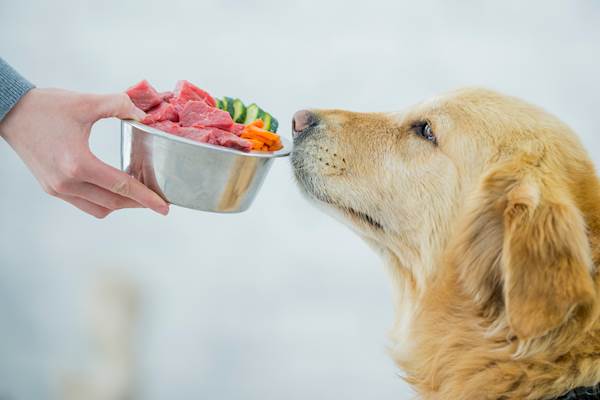
- Tips: Serve warm (not hot) and offer before meals to “prime” appetite.
- Low-sodium bone broth for dogs
11) Vitamin B-Complex (Especially B12/Cobalamin)
- Why it helps: B vitamins support appetite pathways and energy; B12 is often low with GI irritation.
- Forms: Chews or vet-administered injections if deficient.
- Use only pet-formulated products; follow label/vet.
- B-complex chews for appetite support
12) Marshmallow Root (Althaea officinalis)
- Why it helps: Like slippery elm, forms a protective mucilage for esophagus and stomach.
- Tips: Use pet-specific formulas; separate from meds by 2–3 hours.
- Marshmallow root GI soother for dogs
Supplements to Use Carefully or Avoid Around Chemo Days
- Strong antioxidants (high-dose vitamin C/E, alpha-lipoic acid) may interfere with specific chemo mechanisms if timed poorly—follow your oncologist’s timing advice.
- Turmeric/curcumin can be helpful for inflammation but may irritate some stomachs; start low and avoid on infusion day if your dog is sensitive.
- Essential oils (peppermint, ginger, etc.) by mouth are not recommended—use only pet-safe ingestible forms.
How to Build a Gentle Anti-Nausea Stack
Start with one or two from each role and adjust after 3–5 days.
- Lining protectors: Slippery elm OR marshmallow root
- Motility/antiemetic support: Ginger (± enteric peppermint if vet approves)
- Microbiome: Probiotic (± digestive enzymes)
- Appetite/hydration helpers: Warm bone broth, B-complex, fish oil (titrate)
Example simple stack:
- Morning: Probiotic + fish oil (with breakfast)
- Midday: Slippery elm slurry (away from meds) + ginger chew (with snack)
- Evening: Digestive enzymes (with dinner) + bone broth topper
Add CBD if breakthrough nausea or anxiety persists—with vet oversight.
Chemo-Day and Post-Infusion Playbook
Chemo day (or the night before, per your oncologist’s timing):
- Light, bland meals (poached chicken/turkey + white rice or pumpkin)
- Give prescribed antiemetic (e.g., maropitant) exactly on schedule
- Avoid new or strong-smelling foods that could form aversions
24–72 hours after chemo:
- Small, frequent meals (4–6 mini-meals)
- Warm food to increase aroma; add bone broth
- Use ginger with meals; use slippery elm 2–3 hours away from meds
- Keep water fresh and near resting spots; consider a pet fountain
Red flags: Repeated vomiting, black/tarry stool, refusal to drink, severe lethargy—call your oncologist immediately.
Dosing and Safety Tips
- One new supplement at a time; wait 48–72 hours before adding another.
- Give GI coaters (slippery elm/marshmallow) away from oral meds and supplements by 2–3 hours.
- Fish oil: ramp up over 5–7 days to target dose to avoid diarrhea.
- Ginger/chamomile/peppermint: use pet-specific, labeled products; avoid essential oils and human candy/teas with xylitol or caffeine.
- CBD: THC-free, third-party tested; start low and monitor.
- When in doubt, ask your oncologist about timing around infusion days.
Sample 7-Day Anti-Nausea Support Plan (Adjust With Your Vet)
Day -1 (before chemo):
- Breakfast: Probiotic + fish oil
- Dinner: Ginger chew with meal; slippery elm 3 hours after dinner
Day 0 (chemo day):
- Small bland breakfast; give prescribed antiemetic as directed
- Skip new supplements; allow broth sips after appointment
- Evening: If appetite low, offer warmed broth + a few bites of bland diet; ginger chew if approved
Day 1:
- Mini-meals q3–4h; add bone broth
- Morning: Probiotic
- With 1–2 meals: Ginger
- Between meals: Slippery elm slurry (away from meds)
- Evening: Digestive enzymes
Day 2–3:
- Continue mini-meals, probiotic, ginger, slippery elm
- Reintroduce fish oil slowly if paused
- Consider CBD at bedtime if queasy/restless (vet-guided)
Day 4–6:
- Resume normal portions if appetite returns
- Maintain probiotic daily; keep ginger on hand PRN
- Continue broth as topper to maintain hydration
Day 7:
- Review: appetite, water intake, energy, vomiting episodes
- Adjust stack; keep a nausea journal to inform the next infusion plan
How to Choose High-Quality GI Supplements
- Pet-formulated, with doses by weight
- Transparent labels (exact mg per chew/capsule/scoop)
- Third-party testing where applicable (fish oil, CBD, probiotics)
- Clean excipients (no xylitol, minimal artificial flavors/colors)
- Forms your dog accepts: soft chews, powders for broth, tinctures without alcohol
Quick list:
- Ginger digestive soft chews
- Slippery elm powder for pets
- Multi-strain canine probiotic
- Digestive enzymes + probiotic combo
- High-purity fish oil
- THC-free CBD oil for dogs
- Low-sodium bone broth
- B-complex appetite support chews
Frequently Asked Questions: Anti-Nausea Supplements for Dogs on Chemo
- Can supplements replace my dog’s prescription anti-nausea meds? No. Maropitant, ondansetron, and other antiemetics are first-line. Supplements are best as add-ons that make eating and recovery easier.
- What’s the single best natural option to start with? Ginger is the most classic choice. Pair it with a probiotic or slippery elm for lining support.
- My dog won’t eat on chemo days. What should I try first? Offer warmed, low-fat bone broth and a few bites of bland protein. Use your prescribed antiemetic on time, and consider a ginger chew with small meals the next day.
- Can I give slippery elm with my dog’s chemo pills? Separate slippery elm (and marshmallow) from oral meds by 2–3 hours so it doesn’t bind and reduce absorption.
- Is CBD safe for chemo dogs? Often yes, but it must be THC-free and vet-guided due to possible drug metabolism interactions. Start low and monitor.
- Do probiotics actually help nausea? They help stabilize the gut environment, which can reduce queasiness and improve stool quality and appetite—especially valuable during multi-cycle chemo.
- When should I call the vet instead of adding more supplements? If your dog vomits more than once or twice in a day, can’t keep water down, seems painful or very lethargic, or you see blood/black stool—call your vet or oncologist right away.
- How do I prevent food aversions during chemo? Use neutral, bland foods on chemo days, serve small portions, and avoid favorite long-term foods so your dog doesn’t associate them with feeling sick.
Final Thoughts
The best anti-nausea strategy for dogs on chemo blends:
- On-time prescription antiemetics
- A gentle supplement stack (ginger + probiotic ± slippery elm, enzymes, broth)
- Small, frequent, warm, bland meals
- Thoughtful timing around infusion days
With a smart plan and consistent follow-through, most dogs eat better, feel calmer, and recover faster after treatments—so you can focus on more good days together.
Quick picks recap:
- Ginger digestive chews
- Slippery elm powder
- Multi-strain probiotic
- Enzyme + probiotic combo
- High-purity fish oil
- THC-free CBD oil
- Low-sodium bone broth
- B-complex chews

The Snout and About team includes pet owners and animal health professionals with backgrounds in animal science and veterinary medicine and firsthand experience managing serious pet health conditions. Our goal is to make veterinary information accessible and actionable for everyday pet owners.