Unleash Their Full Potential
Training Tips for Your Furry Friends because training is not just about teaching commands—it’s about deepening the bond between you and your pet. A well-trained companion can enjoy a more confident and enriched life while making your daily routines smoother and more enjoyable. Effective training helps reduce behavioral issues, stimulates mental health, and builds mutual understanding that lasts a lifetime.
Imagine a pet that listens attentively and responds with enthusiasm during walks, playtime, and even quiet evenings at home. When you invest time in proper training methods, you’re also investing in a stress-reduced environment where your furry friend can thrive. This process drives both mental stimulation and improved obedience, making outings safer and interactions more rewarding.
Key benefits of routine pet training include:
- Enhanced communication and mutual respect
- Reduction in anxiety and disruptive behavior
- Increased safety on walks and social outings
- A supportive framework for learning new skills
In local communities and neighborhoods, pet training classes often become a hub for sharing practical tips and success stories. Whether you’re a seasoned pet owner or just starting out, these training tips can transform your relationship and help your pet become the best version of itself.
Mastering the Basics of Command Training
Embark on a rewarding training journey with your pet by following these clear, step-by-step techniques. This guide is designed to help you build a solid foundation through practical exercises that strengthen your bond with your furry friend.
- Start with “Sit”: Begin in a calm setting. Hold a treat near your pet’s nose, slowly moving it upward. As their head follows the treat, their bottom will naturally lower. Once they sit, immediately offer praise and a small reward.
- Introduce “Stay”: After mastering “sit,” add a gentle “stay.” With your pet in a sitting position, extend your hand and speak in a firm tone. Gradually increase the distance while ensuring calm reinforcement. Reward them if they hold the position for a few seconds.
- Practice “Come”: With a reliable “sit” and “stay” in place, call your pet using an upbeat tone. Encourage them to approach by clapping or stepping back, and shower them with praise and a treat once they arrive.
Keep sessions short, consistent, and fun to foster quick learning and lasting obedience!
Unleashing the Benefits of Positive Reinforcement
Positive reinforcement is a game changer for pet training, offering a proven method to encourage desirable behaviors rather than punishing unwanted actions. By rewarding your furry friend for good behavior, you create a nurturing environment that builds trust and cooperation. This approach works exceptionally well regardless of your pet’s age or breed, and it is fundamental for local pet training classes in communities across the region.
Consider these essential tips for a successful training session:
- Consistency is key: Use clear, consistent commands complemented by rewards, such as treats or praise.
- Timely rewards: Deliver positive feedback immediately after your pet exhibits the desired behavior.
- Short, focused sessions: Keep training sessions brief yet frequent to maintain your pet’s attention and enthusiasm.
Adopting these techniques not only improves obedience but also fosters a strong bond with your pet. Whether you are training at home or seeking advice from local pet experts, integrating positive reinforcement techniques will help solve common behavioral challenges and empower your pet to learn in a gentle, effective way.
7 Engaging Activities to Keep Your Pet Active
If you’re looking for fresh ways to engage your four-legged friends beyond the usual walks, try mixing in interactive training games that stimulate both body and mind. These creative activities not only reinforce positive behaviors but also offer a fun challenge that keeps pets mentally alert and physically active. Here are 7 ideas designed to boost engagement and build a stronger bond with your companion:
- Fetch with a Twist – Introduce obstacles or hidden fetch items to encourage problem-solving during a classic game of fetch.
- Puzzle Play – Use treat-dispensing puzzles to challenge your pet’s brain while rewarding their successes.
- Tug-of-War Tactics – Safely engage in tug games that teach impulse control and build strength.
- Hide & Seek – Hide yourself or a favorite toy and encourage your pet to find it, stimulating natural scent tracking.
- Obstacle Course Challenge – Set up a mini course with jumps and tunnels in your living room or backyard.
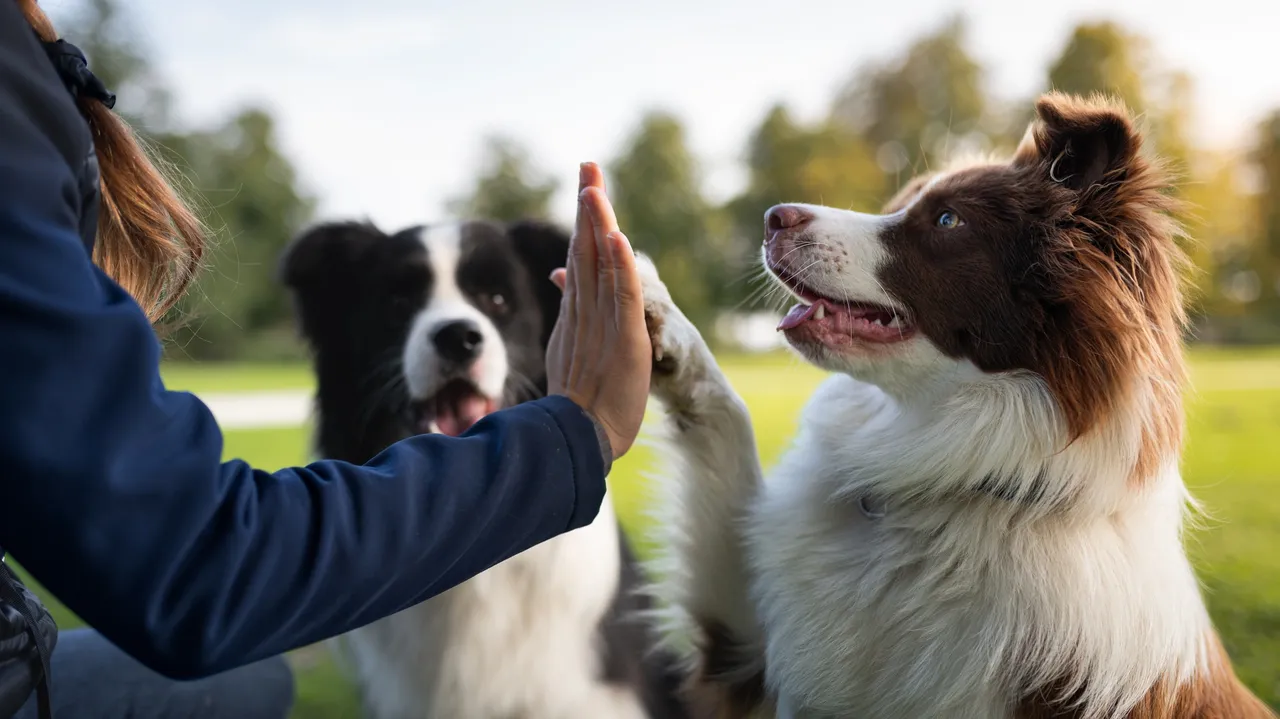
- Trick Training Sessions – Teach new tricks that stimulate both obedience and creativity.
- Scent Detection Games – Hide treats in various spots locally around your home to encourage exploration.
These interactive games are perfect for pet owners in every neighborhood seeking to enhance training and add excitement to daily routines.
Frequently Asked Questions About Pet Training
Q1: How do I begin effective training with my pet?
Start by establishing a consistent routine that sets aside dedicated time for training sessions. Begin with simple commands, focusing on positive reinforcement such as treats and praise to encourage good behavior.
Q2: What are some common challenges in pet training?
Many pet owners face difficulties with distraction, inconsistent responses, and setting clear boundaries. Identifying and addressing these obstacles early can help refine your approach. Consistency across different environments is key.
Q3: How can I manage stubborn behavior in my pet?
Address stubbornness by breaking down commands into smaller steps and gradually increasing difficulty. Patience and regular practice are essential, and using rewards appropriately can make the process enjoyable for both you and your pet.
Q4: Why is consistency important in training?
Consistency builds trust and clarity. Using the same command words and rewards system in every session ensures that your pet understands what is expected, leading to quicker learning and better retention.
Q5: How does the local environment influence pet training?
Local parks and community pet clubs can provide diverse settings that challenge your pet’s focus and adaptability. Exploring varied environments helps your pet generalize commands, making your training more effective overall.
Wrapping Up: Start Your Pet’s Transformation Today
In summary, effective pet training is built on consistency, patience, and the right techniques that turn challenges into rewarding experiences. Throughout this guide, you’ve discovered practical ways to reinforce positive behavior and develop a lasting bond with your furry companion. Remember that every pet is unique, and tailoring training sessions to meet their individual needs can lead to remarkable progress.
Key takeaways include:
- Consistent routine and clear commands
- Patience and gradual skill-building
- Incorporating play and rewards to reinforce behavior
Now is the time to put these insights into action. Establish a training plan that fits your pet’s temperament and daily schedule. Whether you’re starting fresh or refining existing habits, these steps can help smooth the journey toward a well-behaved friend. Armed with proven strategies and actionable tips, you can overcome common obstacles and see positive results in no time.
Take the first step today and watch as your pet learns to thrive under loving guidance—your commitment makes the difference. Embrace the journey and enjoy every moment of your pet’s growth!

The Snout and About team includes pet owners and animal health professionals with backgrounds in animal science and veterinary medicine and firsthand experience managing serious pet health conditions. Our goal is to make veterinary information accessible and actionable for everyday pet owners.