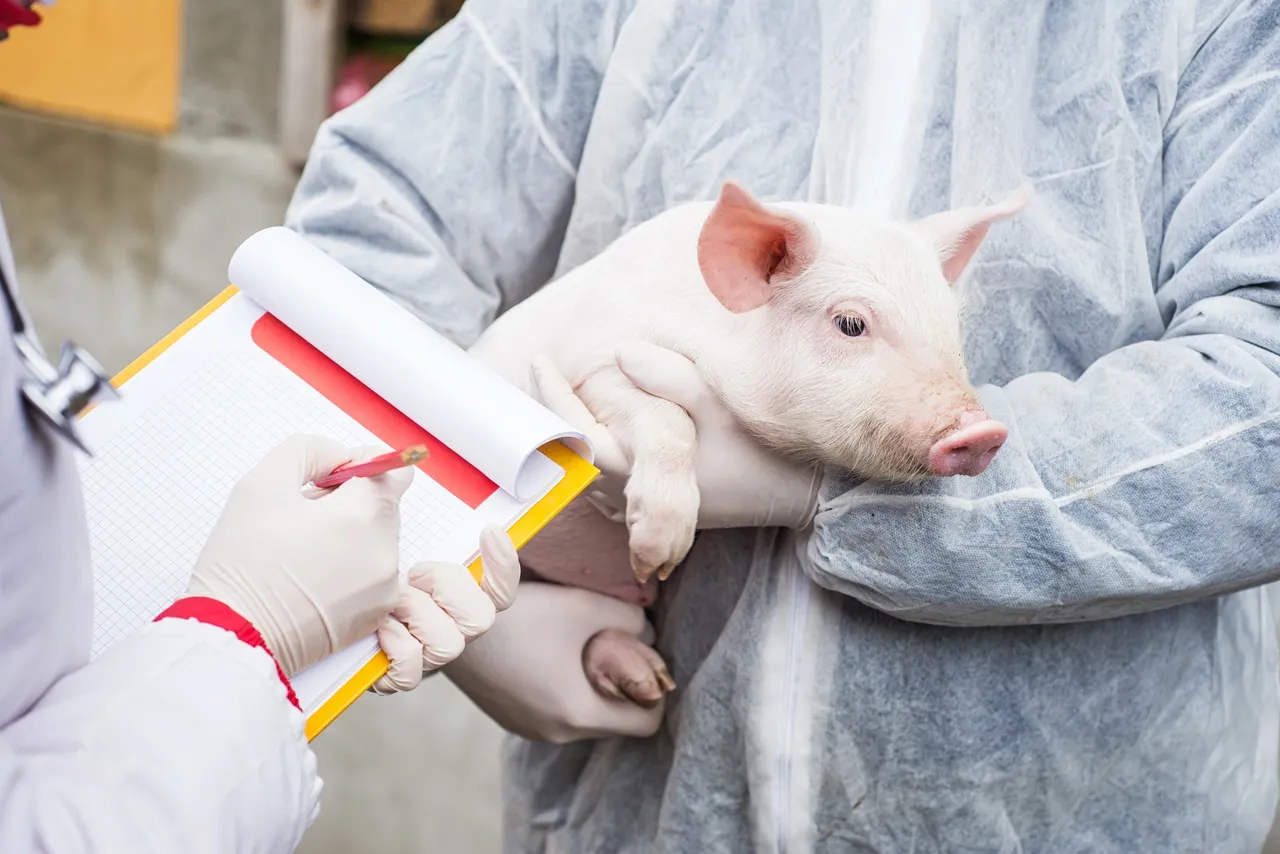
If you’ve recently adopted a Potbelly Pig Daily Care Routine or are thinking about bringing one home, you’re in for a treat! These intelligent, affectionate animals make wonderful companions—but only if you understand their unique daily care needs. This guide covers everything you need to know about your potbelly pig’s daily routine, including feeding, grooming, exercise, and enrichment. It’s written with SEO-friendly keywords so you can easily reach pig lovers searching for practical advice. New Mini Potbelly Pig Checklist: Must-Have Supplies
Morning Routine: Feeding and Clean Start to the Day
Your potbelly pig’s morning should start early, just like yours. Pigs are creatures of habit, and a set routine helps them feel secure.
- Feed a balanced diet – Use a high-quality potbelly pig feed designed specifically for their nutritional needs. Supplement with fresh vegetables such as carrots, spinach, and zucchini. Limit fruits to small treats; too much sugar can cause obesity.
- Hydrate – Always keep a bowl of clean, fresh water available. Consider investing in a spill-proof water bowl to prevent messes.
- Quick tidy-up – Spot-clean your pig’s bedding area each morning to remove waste or wet spots. A washable pig bed or rubber mat helps simplify this task.
According to veterinarians, potbelly pigs are prone to weight gain, so measure meals carefully and stick to a feeding schedule to avoid overindulging. vetexplainspets.com
Midday Routine: Exercise and Enrichment
Potbelly pigs are social, curious, and love mental stimulation. Without it, boredom can lead to destructive behavior.
- Outdoor time: Let your pig roam safely in a fenced area or take them for a walk using a comfortable pig harness.
- Rooting opportunities: Provide a rooting box filled with safe materials or scatter pellets in the grass to engage natural foraging instincts.
- Play and training: Pigs are incredibly smart—teach them simple commands or tricks using healthy treats. Training strengthens your bond and keeps your pig mentally active.
Experts recommend providing regular outdoor exercise not only for physical fitness but also for emotional wellbeing. dialavet.com
Evening Routine: Grooming and Relaxation
End your pig’s day with comfort and care:
- Grooming: Brush your pig’s coat daily to remove dirt and loose skin. A soft-bristle pig brush works perfectly.
- Hoof and tusk checks: Examine hooves weekly; trimming may be needed every few months. Schedule a vet or professional trimmer as needed.
- Bedtime setup: Provide a warm, dry sleeping area with cozy pig bedding. Pigs are sensitive to temperature changes, so keep the sleeping space climate controlled.
Before lights out, let your pig enjoy cuddles or quiet time. Potbelly pigs thrive on companionship; even a few minutes of affection helps them settle peacefully.
Bonus: Daily Health Monitoring Checklist
Keep an eye out for early signs of stress or illness. Common indicators include:
- Loss of appetite
- Lethargy
- Itchy or flaky skin
- Sudden aggression or unusual behavior
A quick daily health check helps catch potential issues before they become serious. learningandyearning.com
Wrapping Up: A Consistent Care Routine Keeps Pigs Happy
A structured routine builds trust and keeps your potbelly pig healthy and emotionally balanced. With proper nutrition, regular outdoor play, mental enrichment, and grooming, your pig will thrive for many years—often living up to 15–20 years.
If you want to make daily care easier, explore essential products like:
Adding trusted, high-quality tools to your pig’s care routine can save time, strengthen your bond, and keep your pig living its best life.
A fun question to leave you thinking: if your potbelly pig could design its perfect day, what little adventure would it choose—rooting in the garden, napping in the sun, or playing fetch in the yard?
Any links on this website may contain affiliate links that may earn a small commission at no cost.

The Snout and About team includes pet owners and animal health professionals with backgrounds in animal science and veterinary medicine and firsthand experience managing serious pet health conditions. Our goal is to make veterinary information accessible and actionable for everyday pet owners.