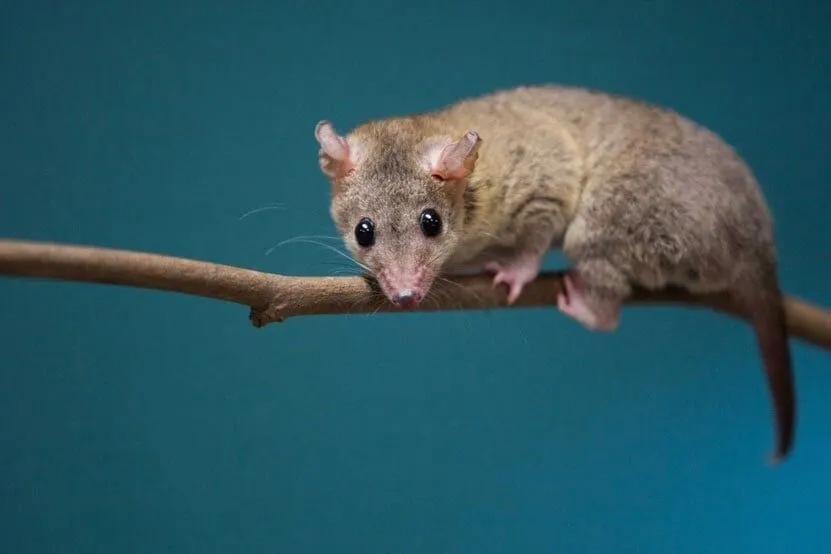
The Brazilian short-tailed opossum (Monodelphis domestica) is an intelligent, curious, and surprisingly friendly marsupial that’s becoming a favorite among exotic pet enthusiasts. These small, nocturnal creatures require a thoughtful daily care routine to stay healthy and tame. This guide covers daily care, feeding schedule, habitat maintenance, and enrichment ideas—optimized with key search terms for improved visibility in Google searches and structured for easy affiliate link placement.
Morning Routine: Environment Check and Fresh Start
Even though your short-tailed opossum is mostly active at night, a quick morning check keeps its home healthy and comfortable.
- Inspect the habitat – Check temperature (between 72°F and 85°F) and humidity levels. Adjust with a digital hygrometer and thermometer to maintain ideal conditions.
- Clean and refresh water – Replace drinking water daily using a small water bottle or shallow dish. Always ensure no droppings or bedding have contaminated it.
- Spot-clean the enclosure – Remove any waste or spoiled food. A safe pet disinfectant spray helps maintain hygiene without harsh chemicals.
Daily cleaning not only prevents odor but also discourages mold and bacterial growth common in warm enclosures.
Evening Routine: Feeding and Interaction
As dusk approaches, your tiny marsupial wakes up—and that’s when the fun begins.
- Balanced diet – Feed a mix of high-quality insectivore diet or hedgehog food, plus live insects like crickets, mealworms, and occasional fruits such as papaya or apple. Avoid citrus and sugary treats. thesprucepets.com suggests that exotic species like opossums thrive on nutrient-dense, low-fat diets.
- Feeding time consistency – Feed in the evening to align with their natural nocturnal activity cycle.
- Socialization and enrichment – Handle your Brazilian short-tailed opossum gently each night for 5–10 minutes. Introduce climbing toys, tunnels, or a small exercise wheel to keep them active and curious.
According to exoticnutrition.com, short-tailed opossums thrive on stimulation and routine interaction—they’re solitary by nature but benefit greatly from light, respectful handling.
Habitat Care: Daily and Weekly Maintenance
A proper enclosure makes all the difference in your opossum’s health and mood.
- Substrate: Use shredded paper, coconut fiber, or aspen bedding. Avoid pine or cedar—these can irritate the respiratory system.
- Lighting: While nocturnal, they still benefit from ambient daylight cues. Keep the cage in a room with a natural light cycle but shielded from direct sunlight.
- Temperature & humidity: Maintain a warm, stable environment—cold drafts or overly dry air can stress your opossum. Consider a ceramic heat emitter for cool rooms.
Weekly, do a deeper clean: remove all bedding, sanitize the enclosure, and replace environmental enrichment materials to keep things fresh.
Health and Daily Observations
Keep a close eye on your pet each day for:
- Clear, bright eyes
- Smooth, soft coat
- Steady movement and curiosity
- Normal appetite and stool
Any drastic change might signal stress, dehydration, or dietary imbalance. nelsonroadvet.com notes how consistent hydration and temperature control are critical in small exotic species—principles that apply equally to opossums.
Wrapping Up: Routine Builds Trust and Comfort
A stable daily care routine ensures your Brazilian short-tailed opossum stays healthy, alert, and friendly. Between balanced nutrition, a clean environment, and interactive playtime, your opossum will feel safe and thrive in captivity.
Some helpful add-ons for your pet care setup include:
- 🐭 Small Animal Heat Lamp
- 🍎 Premium Insectivore Diet Blend
- 🛏️ Soft Bedding for Small Pets
- 🎯 Interactive Small Mammal Toys
The best part of keeping a Brazilian short-tailed opossum is watching its personality shine during those quiet evening hours—it’s like having a tiny, inquisitive adventurer exploring your miniature jungle.
If your short-tailed opossum could plan its perfect night, would it spend it climbing through branches, hunting mealworms, or curling up for a post-snack nap in its hammock?

The Snout and About team includes pet owners and animal health professionals with backgrounds in animal science and veterinary medicine and firsthand experience managing serious pet health conditions. Our goal is to make veterinary information accessible and actionable for everyday pet owners.