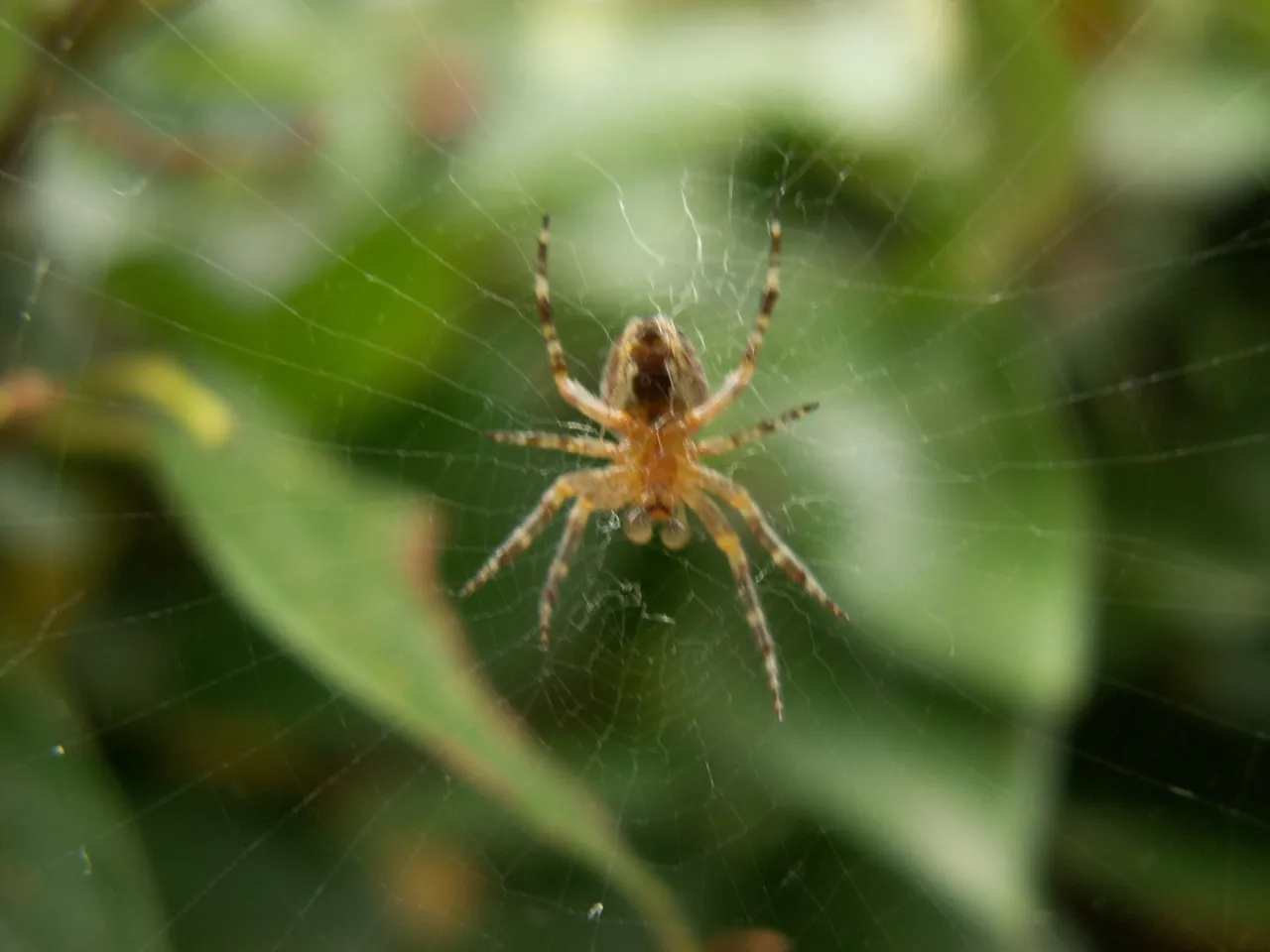
Beginner Tarantula Care if you’ve ever been fascinated by exotic pets, tarantulas might surprise you with how easy they are to care for. These calm, low-maintenance arachnids are great for beginners who want an unusual but rewarding companion. This beginner-friendly guide walks you through daily care, feeding schedules, enclosure setup, and maintenance, using SEO-optimized keywords to help you reach others searching for beginner tarantula care, best tarantulas for beginners, and how to set up a tarantula enclosure—plus easy spots to add affiliate links for supplies.
Why Tarantulas Make Great Beginner Pets
Tarantulas are not only striking to look at—they’re quiet, affordable, and low-stress pets compared to mammals or reptiles. Many species require little handling and thrive in small, controlled environments.
Beginner-friendly species include:
- Chilean Rose Hair (Grammostola rosea) – calm temperament, easy to feed.
- Mexican Red Knee (Brachypelma hamorii) – docile and hardy.
- Curly Hair Tarantula (Tliltocatl albopilosus) – great eater, easy-going personality.
All three are ideal for new owners thanks to their terrestrial nature and tolerance for small mistakes in husbandry parentsandpets.com zooawesome.com.
Setting Up the Perfect Tarantula Enclosure
Creating the right environment is key to keeping your tarantula healthy and stress-free.
- Tank size: A 5–10 gallon terrarium or secure glass terrarium is ideal for most terrestrial species. Avoid tall tanks—tarantulas can get injured if they fall from height thedefiantforest.com.
- Substrate: Use coconut fiber or vermiculite substrate for moisture and burrowing support.
- Hide: Add a half log hideout or cork bark piece to make your tarantula feel secure.
- Water dish: A shallow reptile water bowl with fresh water helps maintain humidity and prevents dehydration.
- Temperature & humidity: Maintain around 72–78°F and 60–70% humidity, adjusting slightly depending on species.
Tarantula experts emphasize replicating natural habitat conditions—dry terrestrial enclosures for desert species and higher humidity setups for tropical species—so your spider can thrive inverttparty.com.
Feeding and Maintenance Routine
Tarantulas are carnivorous and prefer live prey.
- Spiderlings: Feed every 2–3 days with pinhead crickets or small roaches.
- Juveniles: Once a week.
- Adults: Every 10–14 days with gut-loaded crickets, dubia roaches, or mealworms.
Always remove uneaten prey within 24 hours to avoid stress or injury to your spider. Use feeding tongs for safety and easier control.
They don’t require daily interaction—just a quick check to ensure their water dish is full, humidity is stable, and they’ve not entered premolt (a resting stage before shedding).
Weekly Checks and Long-Term Care
- Deep clean the tank monthly, replacing substrate and wiping down surfaces.
- Avoid handling—tarantulas don’t benefit from it and could be injured if dropped.
- Observe behavior: A healthy tarantula stays calm, occasionally reclusive, and eats regularly. Loss of appetite or excessive lethargy may signal premolt or stress.
As thedefiantforest.com points out, understanding natural history is vital: replicate their environment accurately and they’ll live long, stress-free lives.
Helpful Tools for Easy Tarantula Care
Adding the right tools simplifies care and improves your tarantula’s well-being:
- 🕷️ Escape-proof glass terrarium
- 🌿 Coconut husk substrate
- 🪵 Cork hide and décor
- 🌡️ Digital hygrometer and thermometer combo
- 🦗 Tarantula-safe feeding tongs
As a bonus tip, brands like Exo Terra and Zoo Med often make beginner-friendly setups—easy to link as affiliates in your blog.
Tarantula keeping is about patience and observation, not constant handling or fussing. Once their enclosure is properly set, watching them hunt, molt, and explore becomes a surprisingly calming hobby.
If your tarantula could design its perfect home, would it choose a cozy burrow under cork bark—or a mini rainforest terrarium to explore under moonlight?

The Snout and About team includes pet owners and animal health professionals with backgrounds in animal science and veterinary medicine and firsthand experience managing serious pet health conditions. Our goal is to make veterinary information accessible and actionable for everyday pet owners.