If your dog frequently licks their lips, swallows repeatedly, burps after meals, or seems uncomfortable after eating, they may be experiencing acid reflux, also known as gastroesophageal reflux disease (GERD). While occasional reflux can happen to any dog, chronic acid reflux can irritate the esophagus, cause discomfort, and interfere with your dog’s quality of life.
The good news is that most cases of acid reflux can be successfully managed with a combination of veterinary treatment, dietary changes, and lifestyle modifications.
In this guide, you’ll learn everything you need to know about acid reflux (GERD) in dogs, including symptoms, causes, diagnosis, treatment options, diet recommendations, supplements that may help support digestive health, and ways to reduce future flare-ups.
One of the reasons I started this website is because I know what it’s like to leave the veterinary clinic with more questions than answers. Even with animal science degrees and a career in veterinary medicine, I’ve found myself going home after appointments and spending hours reading veterinary journals, talking with specialists, and trying to learn everything I could to help my own pets.
Over the years, I’ve cared for dogs with complex medical conditions, and I understand how overwhelming it can feel when you’re trying to make the best decisions for a pet you love. That’s why I write these guides—to combine my education, experience, and personal research into one place that’s easy for pet owners to understand.
This article isn’t a substitute for your veterinarian’s advice, but my goal is to help you better understand the condition, know what questions to ask, and learn about the treatments, diets, supplements, and products that may help improve your dog’s quality of life.
What Is Acid Reflux in Dogs?
Acid reflux occurs when stomach acid flows backward into the esophagus instead of remaining in the stomach where it belongs.
Normally, a muscular valve called the lower esophageal sphincter closes after food enters the stomach. When this valve weakens or relaxes inappropriately, stomach acid and digestive fluids can move back into the esophagus.
Unlike the stomach, the esophagus has very little protection against acid. Repeated exposure can lead to inflammation, irritation, and even ulcers if left untreated.
When acid reflux becomes chronic, veterinarians may refer to the condition as gastroesophageal reflux disease (GERD).
Symptoms of Acid Reflux in Dogs
Signs of acid reflux can be subtle, especially in the early stages.
Common symptoms include:
- Frequent lip licking
- Repeated swallowing
- Burping
- Gagging
- Regurgitation
- Vomiting bile
- Drooling
- Bad breath
- Decreased appetite
- Reluctance to eat
- Difficulty swallowing
- Coughing
- Hoarse bark
- Eating grass more frequently
- Signs of discomfort after meals
Some dogs experience symptoms mainly at night or after lying down following a meal.
Acid Reflux vs. Vomiting
Many owners confuse acid reflux with vomiting, but they are not the same.
Acid Reflux
- Often involves small amounts of fluid or food
- Passive regurgitation
- Frequent swallowing or lip licking
- May occur shortly after eating or while resting
Vomiting
- Active abdominal contractions
- Retching before stomach contents are expelled
- May contain partially digested food or bile
Knowing the difference can help your veterinarian determine the underlying cause.
What Causes Acid Reflux in Dogs?
Several conditions can contribute to reflux.
Common causes include:
Hiatal Hernia
A hiatal hernia allows part of the stomach to move through the diaphragm, making reflux more likely.
Anesthesia
Some dogs experience temporary acid reflux following anesthesia because muscles that normally prevent reflux become relaxed during procedures.
Obesity
Excess body weight increases pressure on the stomach and may make reflux more likely.
Delayed Stomach Emptying
Conditions that slow stomach emptying allow food and acid to remain in the stomach longer, increasing the chance of reflux.
Chronic Vomiting
Repeated vomiting may irritate the esophagus and contribute to reflux.
Certain Medications
Some medications may increase the likelihood of acid reflux or irritate the digestive tract.
Always discuss medication concerns with your veterinarian.
Which Dogs Are Most at Risk?
Any dog can develop GERD, but it may be more common in:
- Dogs with hiatal hernias
- Flat-faced (brachycephalic) breeds
- Overweight dogs
- Dogs recovering from anesthesia
- Dogs with chronic gastrointestinal disease
- Senior dogs
How Is Acid Reflux Diagnosed?
Diagnosis begins with a complete physical examination and medical history.
Depending on your dog’s symptoms, your veterinarian may recommend:
- Blood work
- Urinalysis
- Chest X-rays
- Abdominal imaging
- Endoscopy to examine the esophagus
- Evaluation for underlying gastrointestinal disease
Endoscopy allows veterinarians to directly visualize inflammation or ulcers within the esophagus.
Treatment for Acid Reflux in Dogs
Treatment focuses on reducing acid exposure and allowing the esophagus to heal.
Depending on the underlying cause, your veterinarian may recommend:
- Acid-reducing medications
- Medications that protect the esophagus
- Drugs that improve stomach emptying
- Dietary changes
- Weight management
- Treating any underlying disease contributing to reflux
Many dogs improve significantly within a few weeks once treatment begins.
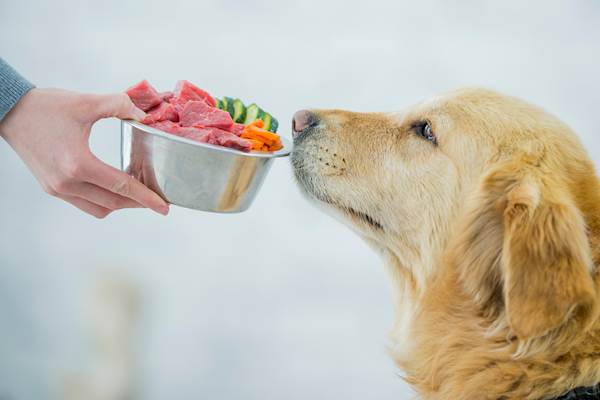
The Best Diet for Dogs With Acid Reflux
Diet often plays an important role in managing reflux.
Many veterinarians recommend:
- Highly digestible foods
- Moderate fat content
- Smaller, more frequent meals
- Consistent feeding schedule
- Avoiding large meals late in the evening
Highly digestible foods leave the stomach more quickly, which may reduce opportunities for acid to reflux into the esophagus.
The Best Options: Sensitive stomach dog foods and highly digestible diets
Feeding Tips for Dogs With GERD
Simple feeding changes may help reduce symptoms.
Helpful strategies include:
- Feed three to four smaller meals daily.
- Avoid one large meal.
- Prevent vigorous exercise immediately after eating.
- Allow your dog to rest quietly after meals.
- Maintain a healthy body weight.
- Avoid frequent diet changes unless recommended by your veterinarian.
Some dogs also benefit from eating dinner several hours before bedtime.
Supplements That May Support Dogs With Acid Reflux
Supplements are not a replacement for veterinary treatment, but some may support overall digestive health when approved by your veterinarian.
Probiotics
Probiotics help maintain a healthy balance of beneficial bacteria within the digestive tract.
Potential benefits include:
- Supporting digestive health
- Promoting normal gut bacteria
- Supporting immune health within the intestines
- Helping maintain normal stool quality
While probiotics do not directly stop acid reflux, they may improve overall gastrointestinal function in some dogs.
Great Picks: Veterinary-formulated probiotic powders or soft chews.
Digestive Enzymes
Digestive enzymes help break down food more efficiently in dogs that have specific digestive disorders.
Healthy dogs generally produce enough digestive enzymes on their own, so supplementation is not routinely necessary unless recommended by a veterinarian.
Top Pick: Canine digestive enzyme supplements.
Omega-3 Fish Oil
Omega-3 fatty acids help support a healthy inflammatory response throughout the body and contribute to healthy skin, coat, joints, heart, and brain function.
They do not treat acid reflux directly, but they may support overall health, especially in dogs with chronic inflammatory conditions.
Because fish oil adds dietary fat, discuss the appropriate dosage with your veterinarian if your dog has concurrent digestive disease.
Best Option: High-quality fish oil supplements designed for dogs.
Can Stress Make Acid Reflux Worse?
Possibly.
Stress may contribute to digestive upset in some dogs, potentially worsening reflux symptoms.
Reducing stress through predictable routines, exercise, enrichment, and behavioral management may help some dogs feel more comfortable.
Essentials: Calming chews, pheromone diffusers, snuffle mats, lick mats, enrichment toys, and anxiety wraps.
Can Acid Reflux Damage the Esophagus?
Yes.
Repeated exposure to stomach acid may lead to:
- Esophagitis (inflammation of the esophagus)
- Pain when swallowing
- Ulcers
- Scarring
- Narrowing of the esophagus in severe cases
Early treatment helps minimize these complications.
Can Acid Reflux Be Prevented?
Not every case can be prevented, but healthy habits may reduce the risk.
Helpful strategies include:
- Feeding smaller meals
- Maintaining a healthy weight
- Avoiding excessive dietary fat if recommended
- Treating vomiting promptly
- Managing underlying digestive disorders
- Following your veterinarian’s recommendations after anesthesia
Products That May Help Dogs With Acid Reflux
Owners often find these products helpful:
- Highly digestible dog food
- Sensitive stomach diets
- Veterinary probiotics
- Digestive enzyme supplements
- Fish oil supplements
When Should You Contact Your Veterinarian?
Schedule an appointment if your dog:
- Frequently regurgitates
- Repeatedly swallows or licks their lips
- Has chronic vomiting
- Appears painful when swallowing
- Stops eating
- Loses weight
- Develops coughing after eating
- Has persistent digestive symptoms
Prompt evaluation helps identify acid reflux and rule out more serious conditions.
Final Thoughts
Acid reflux and GERD can be uncomfortable for dogs, but they are often manageable with the right combination of veterinary care, dietary changes, and lifestyle adjustments. Because the symptoms can resemble other digestive conditions, it’s important to have your dog evaluated if you notice frequent regurgitation, repeated swallowing, lip licking, or discomfort after meals.
With early diagnosis, appropriate treatment, and a feeding routine tailored to your dog’s needs, many dogs experience significant improvement and enjoy a normal, active life.
Frequently Asked Questions
What are the signs of acid reflux in dogs?
Common signs include lip licking, repeated swallowing, burping, regurgitation, gagging, drooling, vomiting bile, bad breath, and discomfort after eating.
Is acid reflux the same as GERD?
Acid reflux refers to stomach acid flowing into the esophagus. When this becomes chronic and causes ongoing inflammation or symptoms, it is often referred to as gastroesophageal reflux disease (GERD).
Can dogs get heartburn?
Dogs cannot tell us they have heartburn, but acid reflux is believed to cause discomfort similar to heartburn in people.
What causes GERD in dogs?
GERD may be caused by hiatal hernias, obesity, delayed stomach emptying, anesthesia, chronic vomiting, or other gastrointestinal conditions.
What should I feed a dog with acid reflux?
Many veterinarians recommend highly digestible foods fed in smaller, more frequent meals. Your veterinarian can recommend the best diet for your dog’s specific condition.
Are probiotics good for dogs with acid reflux?
Probiotics may support overall digestive health and a healthy gut microbiome, although they do not directly stop acid reflux.
Can acid reflux go away on its own?
Occasional mild reflux may resolve, but recurring symptoms should always be evaluated by a veterinarian to prevent complications such as esophagitis.
Is acid reflux dangerous for dogs?
If left untreated, chronic acid reflux can damage the esophagus and lead to painful inflammation or ulceration. Fortunately, most dogs improve with appropriate treatment.
Can stress make acid reflux worse?
Stress may contribute to digestive upset in some dogs, which can potentially worsen reflux symptoms.
When should I take my dog to the veterinarian?
Contact your veterinarian if your dog has frequent regurgitation, chronic vomiting, difficulty swallowing, weight loss, loss of appetite, or repeated signs of acid reflux.

The Snout and About team includes pet owners and animal health professionals with backgrounds in animal science and veterinary medicine and firsthand experience managing serious pet health conditions. Our goal is to make veterinary information accessible and actionable for everyday pet owners.