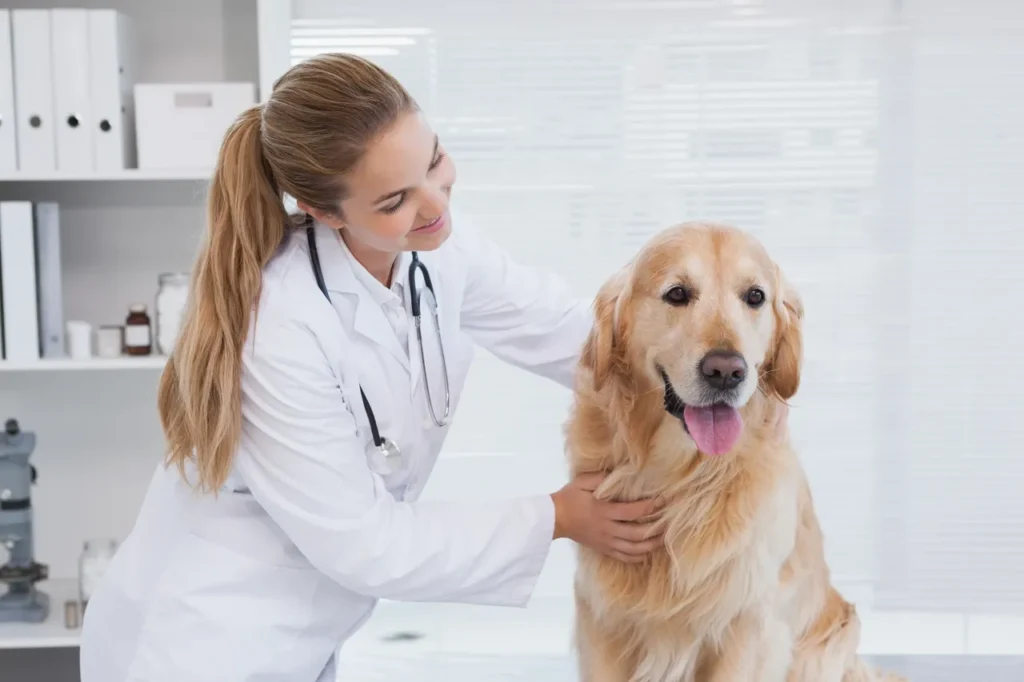
If your dog is constantly hungry but continues losing weight, has frequent diarrhea, or produces large amounts of pale, greasy stool, they may have Exocrine Pancreatic Insufficiency (EPI). Although EPI is a lifelong condition, it is highly manageable, and with the right treatment, most dogs go on to live happy, healthy lives.
The key to success is recognizing the symptoms early and starting treatment before severe weight loss and nutrient deficiencies develop.
In this guide, you’ll learn everything you need to know about Exocrine Pancreatic Insufficiency (EPI) in dogs, including symptoms, causes, diagnosis, treatment, diet recommendations, supplements that may support recovery, and long-term management.
One of the reasons I started this website is because I know what it’s like to leave the veterinary clinic with more questions than answers. Even with animal science degrees and a career in veterinary medicine, I’ve found myself going home after appointments and spending hours reading veterinary journals, talking with specialists, and trying to learn everything I could to help my own pets.
Over the years, I’ve cared for dogs with complex medical conditions, and I understand how overwhelming it can feel when you’re trying to make the best decisions for a pet you love. That’s why I write these guides—to combine my education, experience, and personal research into one place that’s easy for pet owners to understand.
This article isn’t a substitute for your veterinarian’s advice, but my goal is to help you better understand the condition, know what questions to ask, and learn about the treatments, diets, supplements, and products that may help improve your dog’s quality of life.
What Is Exocrine Pancreatic Insufficiency (EPI)?
The pancreas has two important jobs.
One part produces hormones like insulin to regulate blood sugar. The other part, called the exocrine pancreas, produces digestive enzymes that help break down fats, proteins, and carbohydrates.
Dogs with Exocrine Pancreatic Insufficiency do not produce enough digestive enzymes to properly digest their food.
Without these enzymes, nutrients pass through the digestive tract without being absorbed. As a result, dogs can eat large amounts of food yet continue losing weight because their bodies simply can’t utilize the nutrients.
Fortunately, EPI is one of the few chronic digestive diseases that often responds extremely well to treatment.
Symptoms of EPI in Dogs
The signs of EPI usually develop gradually but may worsen quickly once the pancreas loses enough function.
Common symptoms include:
- Weight loss despite a good appetite
- Extreme hunger
- Chronic diarrhea
- Large amounts of stool
- Pale or yellowish stool
- Greasy or oily stool
- Soft stool
- Flatulence
- Poor coat quality
- Dry skin
- Muscle loss
- Low energy
- Vitamin deficiencies
- Eating unusual objects or even feces in some dogs
Many owners notice that their dog seems hungry all the time but becomes thinner each week.
What Causes EPI in Dogs?
Several conditions can damage the pancreas.
Pancreatic Acinar Atrophy (PAA)
The most common cause of EPI is pancreatic acinar atrophy.
In this condition, the enzyme-producing cells of the pancreas gradually disappear until the pancreas can no longer produce enough digestive enzymes.
This condition is believed to have a genetic component in some breeds.
Chronic Pancreatitis
Repeated episodes of pancreatitis can permanently damage pancreatic tissue.
Over time, enough enzyme-producing cells may be destroyed that EPI develops.
Other Pancreatic Diseases
Less commonly, pancreatic tumors or severe pancreatic injury can also lead to EPI.
Breeds Commonly Affected
Although any dog can develop EPI, it is seen more frequently in:
- German Shepherds
- Rough Collies
- Chow Chows
- Cavalier King Charles Spaniels
- Mixed breeds
German Shepherds account for a large percentage of EPI cases.
How Is EPI Diagnosed?
Fortunately, diagnosing EPI is usually straightforward.
Veterinarians commonly perform:
- Physical examination
- Blood work
- Fecal testing
- Serum Trypsin-Like Immunoreactivity (TLI) test
The TLI test is considered the gold standard for diagnosing Exocrine Pancreatic Insufficiency.
Some dogs may also have vitamin B12 levels measured because deficiencies are common.
Why Does EPI Cause Weight Loss?
Without digestive enzymes, nutrients cannot be properly broken down.
This means your dog may consume enough calories but still be unable to absorb:
- Protein
- Fat
- Carbohydrates
- Vitamins
- Minerals
The result is gradual weight loss despite an excellent appetite.
Treatment for EPI
Treatment is usually lifelong but highly effective.
Most treatment plans include:
- Pancreatic enzyme replacement
- Dietary management
- Vitamin supplementation when needed
- Probiotics in some cases
- Monitoring body weight
Many dogs begin improving within just a few weeks of starting enzyme therapy.
Pancreatic Enzyme Supplements
Enzyme replacement is the cornerstone of EPI treatment.
These supplements replace the digestive enzymes the pancreas can no longer produce.
They help digest:
- Fat
- Protein
- Carbohydrates
Most dogs require pancreatic enzymes with every meal for life.
Owners often notice:
- Firmer stool
- Weight gain
- Increased energy
- Reduced flatulence
- Improved coat quality
Essential Products: Pancreatic enzyme powders, and drops
The Best Diet for Dogs With EPI
Dogs with EPI generally benefit from highly digestible diets.
Your veterinarian may recommend:
- Highly digestible commercial diets
- Moderate-fat diets
- Highly digestible proteins
- Consistent feeding schedules
- Smaller meals throughout the day
Unlike pancreatitis, many dogs with EPI do not require extremely low-fat diets unless another condition is present.
Every dog responds differently, so dietary adjustments may be needed.
Top Pick: Highly digestible dog foods
Supplements That May Help Dogs With EPI
Several supplements may support overall digestive health in addition to enzyme replacement.
Vitamin B12 (Cobalamin)
Vitamin B12 deficiency is extremely common in dogs with EPI because they cannot absorb it normally.
Correcting low B12 levels may help improve:
- Energy
- Appetite
- Weight gain
- Digestive health
- Overall treatment response
Many dogs require injections initially, while others may transition to oral supplementation depending on their veterinarian’s recommendations.
Great Choice: Veterinary-approved vitamin B12 supplements.
Probiotics
Dogs with EPI often experience changes in their intestinal bacteria.
Probiotics may help:
- Support healthy digestion
- Improve stool quality
- Promote beneficial gut bacteria
- Support normal immune function within the digestive tract
They are commonly used alongside pancreatic enzyme replacement.
Top Choices: Veterinary probiotic powders, chews, or capsules.
Omega-3 Fish Oil
Omega-3 fatty acids support a healthy inflammatory response and contribute to healthy skin, coat, joints, heart, and brain function.
Some dogs recovering from severe weight loss also benefit from improved skin and coat condition as their nutritional status improves.
Discuss appropriate dosing with your veterinarian, as calorie intake should be monitored.
Great Pick: High-quality canine fish oil supplements.
Digestive Support Vitamins
Dogs with long-standing EPI may become deficient in several nutrients.
Depending on blood work, your veterinarian may recommend specific vitamin or mineral supplementation to correct deficiencies.
Never supplement vitamins without veterinary guidance, as excessive amounts of some vitamins can be harmful.
Long-Term Management
Most dogs require lifelong treatment.
Fortunately, once treatment is established, many owners report dramatic improvements.
Long-term management includes:
- Pancreatic enzymes with every meal
- Routine veterinary examinations
- Monitoring body weight
- Regular blood work when recommended
- Maintaining a consistent diet
Missing enzyme supplements often results in rapid return of symptoms.
Can Dogs Live Normal Lives With EPI?
Absolutely.
Many dogs with properly managed EPI live completely normal lifespans.
The condition requires lifelong commitment, but most owners find the daily routine becomes second nature.
Dogs often regain weight, energy, and muscle mass once treatment begins.
Can EPI Be Cured?
There is currently no cure for most cases of Exocrine Pancreatic Insufficiency.
However, because treatment replaces the missing digestive enzymes, symptoms are often controlled extremely well.
Most dogs respond dramatically within several weeks.
Products That Make Managing EPI Easier
Owners often find these products helpful:
- Pancreatic enzyme powder
- Highly digestible dog food
- Veterinary probiotics
- Vitamin B12 supplements
- Fish oil supplements
When Should You Contact Your Veterinarian?
Schedule an appointment if your dog:
- Loses weight despite eating well
- Has chronic diarrhea
- Produces pale or greasy stool
- Develops persistent flatulence
- Appears constantly hungry
- Stops responding to enzyme therapy
- Develops vomiting
- Becomes lethargic
The earlier EPI is diagnosed, the sooner your dog can begin treatment and regain lost weight.
Final Thoughts
Exocrine Pancreatic Insufficiency may sound intimidating, but it is one of the most rewarding chronic diseases to treat because many dogs improve dramatically once they receive the digestive enzymes their bodies are missing.
If your dog is losing weight despite eating constantly or has chronic diarrhea and poor stool quality, don’t ignore the signs. A simple blood test can often provide the answer, and early treatment can make a tremendous difference.
With pancreatic enzyme replacement, an appropriate diet, supportive supplements when indicated, and regular veterinary care, most dogs with EPI can enjoy long, active, and happy lives.
Frequently Asked Questions
What is the first sign of EPI in dogs?
One of the earliest signs is weight loss despite a normal or increased appetite. Chronic diarrhea and large, pale stools are also common.
Is EPI curable?
Most cases are not curable, but they are highly manageable with lifelong pancreatic enzyme replacement and appropriate dietary management.
What causes Exocrine Pancreatic Insufficiency?
The most common causes are pancreatic acinar atrophy and chronic pancreatitis, both of which damage the enzyme-producing cells of the pancreas.
Can dogs with EPI gain weight again?
Yes. Once pancreatic enzyme supplements are started and nutrients can be properly absorbed, many dogs regain weight, muscle mass, and energy.
What is the best food for dogs with EPI?
Most dogs do well on highly digestible diets with consistent ingredients. Your veterinarian can recommend the best food based on your dog’s individual needs.
Are probiotics good for dogs with EPI?
Yes. Many veterinarians recommend probiotics because they may help support a healthier balance of intestinal bacteria and improve digestive function.
Why do dogs with EPI eat so much?
Because they cannot properly digest and absorb nutrients, their bodies remain hungry even after eating.
Do dogs with EPI need enzyme supplements forever?
Yes. Most dogs require pancreatic enzyme replacement with every meal for the rest of their lives.
Is vitamin B12 important for dogs with EPI?
Absolutely. Many dogs with EPI develop vitamin B12 deficiencies, and correcting these deficiencies can significantly improve treatment success and overall health.
Can dogs live a normal life with EPI?
Yes. With consistent treatment, enzyme supplementation, proper nutrition, and regular veterinary care, most dogs with EPI live normal, healthy lives.

The Snout and About team includes pet owners and animal health professionals with backgrounds in animal science and veterinary medicine and firsthand experience managing serious pet health conditions. Our goal is to make veterinary information accessible and actionable for everyday pet owners.