If your dog suddenly develops diarrhea, strains to poop, or has mucus or blood in their stool, colitis may be the cause. While seeing blood in your dog’s stool can be alarming, colitis is actually one of the most common digestive conditions veterinarians diagnose.
The good news is that many cases of colitis resolve quickly with appropriate treatment. However, some dogs experience chronic or recurring colitis that requires long-term dietary management and veterinary care.
In this guide, you’ll learn everything you need to know about colitis in dogs, including the symptoms, causes, diagnosis, treatment options, diet recommendations, supplements that may support digestive health, and ways to help prevent future flare-ups.
One of the reasons I started this website is because I know what it’s like to leave the veterinary clinic with more questions than answers. Even with animal science degrees and a career in veterinary medicine, I’ve found myself going home after appointments and spending hours reading veterinary journals, talking with specialists, and trying to learn everything I could to help my own pets.
Over the years, I’ve cared for dogs with complex medical conditions, and I understand how overwhelming it can feel when you’re trying to make the best decisions for a pet you love. That’s why I write these guides—to combine my education, experience, and personal research into one place that’s easy for pet owners to understand.
This article isn’t a substitute for your veterinarian’s advice, but my goal is to help you better understand the condition, know what questions to ask, and learn about the treatments, diets, supplements, and products that may help improve your dog’s quality of life.
What Is Colitis in Dogs?
Colitis is inflammation of the colon, also called the large intestine. The colon’s primary job is to absorb water and store feces before they’re eliminated from the body.
When the colon becomes inflamed, it can’t function normally. This often results in frequent bowel movements, diarrhea, mucus in the stool, straining, and sometimes fresh blood.
Colitis can occur suddenly (acute colitis) or develop into a chronic condition that comes and goes over weeks or months.
Symptoms of Colitis in Dogs
The signs of colitis usually involve changes in bowel movements rather than vomiting or loss of appetite.
Common symptoms include:
- Frequent diarrhea
- Soft stools
- Straining to defecate
- Passing only small amounts of stool
- Bright red blood in the stool
- Mucus covering the stool
- Increased urgency to go outside
- Accidents in the house
- Gas
- Abdominal discomfort
- Scooting
- Mild weight loss in chronic cases
Unlike diseases affecting the small intestine, dogs with colitis often continue eating normally, especially during mild cases.
Acute vs. Chronic Colitis
Acute Colitis
Acute colitis develops suddenly and often resolves within several days once the underlying cause is treated.
Common triggers include:
- Eating spoiled food
- Dietary indiscretion
- Stress
- Parasites
- Bacterial infections
Chronic Colitis
Chronic colitis lasts for weeks or recurs frequently.
Underlying causes may include:
- Food allergies
- Food intolerances
- Inflammatory bowel disease (IBD)
- Immune-mediated disease
- Chronic bacterial imbalance
- Fiber-responsive colitis
These dogs often require long-term management.
What Causes Colitis in Dogs?
Many different conditions can inflame the colon.
Common causes include:
Dietary Indiscretion
Eating garbage, spoiled food, table scraps, or unfamiliar foods is one of the most common causes of acute colitis.
Stress
Stress colitis is especially common after:
- Boarding
- Moving
- Traveling
- Veterinary visits
- Grooming appointments
- Introducing a new pet
Even positive excitement can sometimes trigger digestive upset.
Food Allergies or Food Sensitivities
Some dogs develop inflammation after eating certain proteins or ingredients.
Your veterinarian may recommend a food trial using a limited ingredient or hydrolyzed diet.
Parasites
Parasites such as whipworms or Giardia can irritate the colon and produce symptoms similar to colitis.
Routine fecal testing helps identify these infections.
Bacterial Infections
Certain bacterial infections can inflame the colon and require veterinary treatment.
Inflammatory Bowel Disease
IBD may involve the colon alone or multiple portions of the digestive tract.
Which Dogs Are Most Likely to Develop Colitis?
Any dog can develop colitis, but it may be more common in:
- Young dogs with dietary indiscretion
- Dogs under stress
- Dogs with food allergies
- Dogs with inflammatory bowel disease
- Dogs frequently exposed to parasites
Breed does not appear to be a major determining factor.
How Is Colitis Diagnosed?
Diagnosis begins with a complete history and physical examination.
Your veterinarian may recommend:
- Fecal examination
- Blood work
- Urinalysis
- Abdominal imaging
- Specialized gastrointestinal testing
- Colonoscopy with biopsy in chronic cases
Because many diseases produce diarrhea, testing helps identify the underlying cause.
Treatment for Colitis in Dogs
Treatment depends on what caused the inflammation.
Your veterinarian may recommend:
- Temporary dietary changes
- Prescription gastrointestinal diets
- Deworming medications
- Antibiotics in selected cases
- Anti-inflammatory medications
- Fiber supplementation
- Probiotics
- Fluid therapy for dehydration
Many acute cases improve within several days.
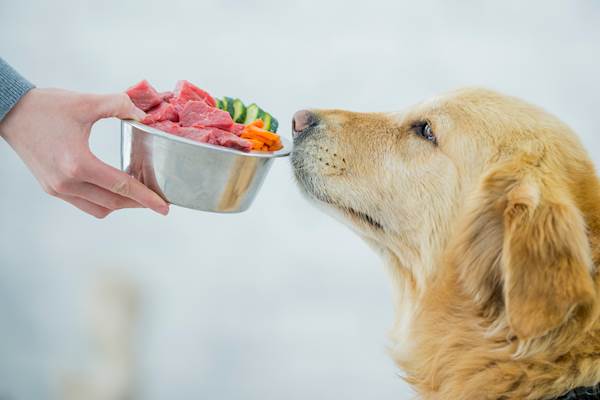
The Best Diet for Dogs With Colitis
Nutrition plays a major role in recovery.
Depending on the cause, veterinarians may recommend:
- Highly digestible diets
- Limited ingredient diets
- Hydrolyzed protein diets
- Increased fiber diets
- Low-residue diets
Every dog responds differently, so dietary recommendations should be individualized.
Essential Picks: Sensitive stomach dog foods, limited ingredient diets, food storage containers, digital kitchen scales.
Supplements That May Help Dogs With Colitis
Supplements are not a cure, but some may support digestive health alongside your veterinarian’s treatment plan.
Probiotics
Probiotics provide beneficial bacteria that help maintain a healthy balance of microorganisms within the digestive tract.
Potential benefits include:
- Supporting healthy digestion
- Promoting firmer stools
- Supporting immune health in the intestines
- Helping restore normal gut bacteria after digestive upset
Many veterinarians recommend probiotics for both acute and chronic colitis.
Great options: Veterinary-formulated probiotic powders, capsules, and soft chews.
Prebiotics
Prebiotics are specialized fibers that nourish beneficial intestinal bacteria.
By feeding the “good” bacteria already living in the colon, prebiotics may help support healthier digestion and improve the intestinal environment over time.
Many digestive supplements combine both probiotics and prebiotics for additional gut support.
Top Pick: Combination probiotic/prebiotic supplements.
Soluble Fiber Supplements
Some dogs respond extremely well to additional soluble fiber.
Fiber may:
- Improve stool consistency
- Support beneficial gut bacteria
- Promote healthier colon function
- Help regulate bowel movements
Not every dog benefits from added fiber, so always follow your veterinarian’s recommendations.
Great Options: Veterinary fiber supplements or psyllium products formulated for dogs.
Omega-3 Fish Oil
Omega-3 fatty acids help support a normal inflammatory response throughout the body.
In addition to digestive health, omega-3s also benefit:
- Skin and coat
- Joint health
- Heart health
- Brain function
While fish oil is commonly recommended for many inflammatory conditions, your veterinarian can determine whether it’s appropriate for your dog’s specific case.
Great Pick: High-quality canine fish oil supplements.
Can Stress Cause Colitis?
Yes.
Stress colitis is one of the most common forms seen in otherwise healthy dogs.
Stress hormones can alter intestinal function and increase inflammation within the colon.
Reducing stress may include:
- Maintaining routines
- Regular exercise
- Environmental enrichment
- Gradual introductions to new situations
For dogs that experience anxiety during travel, boarding, or thunderstorms, talk with your veterinarian about behavioral strategies or calming products.
Top choices: Calming chews, pheromone diffusers, anxiety wraps, snuffle mats, and lick mats.
How Long Does Colitis Last?
Acute colitis often improves within two to five days.
Chronic colitis may require:
- Long-term dietary management
- Medication
- Ongoing monitoring
- Periodic flare-up treatment
Most dogs improve significantly once the underlying cause is identified.
Can Colitis Be Prevented?
Not every case can be prevented, but these habits may reduce risk:
- Feed a consistent, balanced diet.
- Avoid sudden food changes.
- Keep garbage securely covered.
- Maintain regular parasite prevention.
- Reduce unnecessary stress.
- Schedule routine veterinary checkups.
- Introduce new foods gradually.
Caring for a Dog Recovering From Colitis
Recovery usually involves a combination of diet, hydration, and close monitoring.
Helpful tips include:
- Ensure fresh water is always available.
- Feed small, easily digestible meals if recommended.
- Avoid treats unless approved by your veterinarian.
- Monitor stool quality daily.
- Finish all prescribed medications.
- Slowly transition back to the regular diet if instructed.
Keeping a journal of food, treats, medications, and bowel movements can help identify triggers if colitis returns.
Products That Can Make Managing Colitis Easier
Many owners find these products helpful:
- Limited ingredient diets
- Veterinary probiotics
- Prebiotic supplements
- Fiber supplements
- Airtight food storage containers
- Digital food scales
- Calming supplements for stress-related flare-ups
- Snuffle mats
When Should You Call Your Veterinarian?
Schedule a veterinary visit if your dog:
- Has diarrhea lasting longer than two days
- Has repeated bloody stools
- Refuses food
- Vomits repeatedly
- Appears lethargic
- Develops abdominal pain
- Becomes dehydrated
- Loses weight
- Experiences recurring episodes of diarrhea
Puppies, senior dogs, and dogs with underlying medical conditions should be evaluated sooner because they can become dehydrated more quickly.
Final Thoughts
Colitis is one of the most common causes of diarrhea in dogs, but it is also one of the most treatable. Whether it’s triggered by stress, dietary indiscretion, parasites, food sensitivities, or chronic inflammatory disease, identifying the underlying cause is the key to successful treatment.
With prompt veterinary care, the right diet, appropriate supplements, and careful long-term management when needed, most dogs recover well and continue living healthy, active lives. If your dog develops persistent diarrhea, mucus, or blood in their stool, don’t ignore it—early diagnosis can help prevent complications and get your dog feeling better sooner.
Frequently Asked Questions
What is the most common symptom of colitis in dogs?
The most common symptom is frequent diarrhea, often accompanied by mucus, straining, or small amounts of bright red blood.
Can stress cause colitis in dogs?
Yes. Stress colitis is very common and may occur after boarding, travel, moving, grooming, veterinary visits, or other stressful events.
Is blood in my dog’s stool always an emergency?
Bright red blood associated with mild colitis is not always an emergency, but it should never be ignored. Large amounts of blood, black tarry stools, weakness, or repeated vomiting require immediate veterinary attention.
What should I feed a dog with colitis?
Many dogs benefit from a highly digestible, limited ingredient, hydrolyzed protein, or fiber-enhanced diet, depending on the underlying cause. Your veterinarian can recommend the best option.
Are probiotics good for dogs with colitis?
Yes. Many veterinarians recommend probiotics because they may help restore healthy gut bacteria, improve stool quality, and support digestive health.
Can colitis go away on its own?
Some mild cases of acute colitis resolve within a few days, but recurring or persistent symptoms should always be evaluated by a veterinarian.
How long does colitis last in dogs?
Acute colitis often improves within two to five days, while chronic colitis may require ongoing dietary management and treatment.
Can dogs with colitis eat treats?
Yes, but treats should be simple, highly digestible, and compatible with your dog’s prescribed diet. Avoid fatty or rich treats unless your veterinarian says otherwise.
Is colitis contagious?
Colitis itself is not contagious, but infectious causes such as certain parasites or bacteria can spread to other animals and, in some cases, people.
Can colitis become a chronic problem?
Yes. Some dogs experience recurring episodes due to food sensitivities, inflammatory bowel disease, stress, or other underlying conditions. Working closely with your veterinarian can help minimize flare-ups and improve long-term digestive health.

The Snout and About team includes pet owners and animal health professionals with backgrounds in animal science and veterinary medicine and firsthand experience managing serious pet health conditions. Our goal is to make veterinary information accessible and actionable for everyday pet owners.