If your dog is straining to poop, producing small, hard stools, or hasn’t had a bowel movement in a day or two, they may be constipated. While occasional constipation is fairly common, especially in older dogs, it shouldn’t be ignored. Left untreated, constipation can become painful and may lead to more serious problems that require veterinary care.
Fortunately, most cases of constipation improve once the underlying cause is identified and treated. Whether it’s dehydration, a low-fiber diet, lack of exercise, or an underlying medical condition, there are many ways to help your dog feel better and prevent future episodes.
In this guide, you’ll learn everything you need to know about constipation in dogs, including the most common symptoms, causes, treatment options, dietary changes, supplements that may help support digestive health, and when it’s time to call your veterinarian.
One of the reasons I started this website is because I know what it’s like to leave the veterinary clinic with more questions than answers. Even with animal science degrees and a career in veterinary medicine, I’ve found myself going home after appointments and spending hours reading veterinary journals, talking with specialists, and trying to learn everything I could to help my own pets.
Over the years, I’ve cared for dogs with complex medical conditions, and I understand how overwhelming it can feel when you’re trying to make the best decisions for a pet you love. That’s why I write these guides—to combine my education, experience, and personal research into one place that’s easy for pet owners to understand.
This article isn’t a substitute for your veterinarian’s advice, but my goal is to help you better understand the condition, know what questions to ask, and learn about the treatments, diets, supplements, and products that may help improve your dog’s quality of life.
What Is Constipation in Dogs?
Constipation occurs when stool moves too slowly through the large intestine (colon). As it sits in the colon, more water is absorbed from the stool, making it dry, hard, and difficult to pass.
Most healthy dogs have one to three bowel movements each day, although this varies depending on their diet, age, and activity level.
A dog that hasn’t had a bowel movement for more than 48 hours, or is repeatedly straining without producing stool, should be evaluated by a veterinarian.
Symptoms of Constipation in Dogs
Signs of constipation can range from mild to severe.
Common symptoms include:
- Straining to defecate
- Producing small, dry, hard stools
- Crying while trying to poop
- Repeatedly squatting without passing stool
- Infrequent bowel movements
- Passing only tiny amounts of stool
- Decreased appetite
- Abdominal discomfort
- Lethargy
- Bloating
- Vomiting in more severe cases
- Scooting due to discomfort
Some dogs may appear to be trying to urinate when they are actually straining to defecate.
Constipation vs. Obstipation
While constipation and obstipation are related, they are not the same.
Constipation means stool is difficult to pass but can usually still be eliminated.
Obstipation is severe constipation in which stool becomes impacted and cannot be passed without veterinary treatment.
Obstipation can become a medical emergency if left untreated.
What Causes Constipation in Dogs?
Many different factors can contribute to constipation.
Dehydration
Without enough water, the colon removes even more moisture from the stool, making it hard and dry.
Dogs recovering from illness, vomiting, diarrhea, or hot weather are especially susceptible.
Low-Fiber Diet
Fiber helps support normal bowel movements by adding bulk and holding water in the stool.
Some dogs eating very low-fiber diets may become constipated.
Eating Bones
One of the most common causes of constipation is consuming cooked or excessive raw bones.
Bone fragments can create extremely hard stools that are difficult or impossible to pass.
Lack of Exercise
Regular activity stimulates intestinal movement.
Dogs that are inactive due to age, illness, or injury may be more prone to constipation.
Obesity
Overweight dogs often experience slower intestinal motility and reduced physical activity.
Maintaining a healthy body weight supports digestive health.
Pain
Dogs experiencing pain from arthritis, hip dysplasia, or spinal disease may avoid squatting long enough to have a normal bowel movement.
Enlarged Prostate
Male dogs with prostate enlargement may have difficulty passing stool because the enlarged gland presses against the colon.
Anal Gland Problems
Painful or infected anal glands can make dogs reluctant to defecate.
Foreign Objects
Hair, toys, fabric, rocks, or other foreign material may partially block the colon.
These cases require prompt veterinary evaluation.
Certain Medications
Some medications can slow intestinal movement and contribute to constipation.
Never stop prescribed medications without speaking to your veterinarian.
Which Dogs Are Most at Risk?
Constipation can affect any dog, but it’s more common in:
- Senior dogs
- Overweight dogs
- Dogs with arthritis
- Dogs recovering from surgery
- Dogs that eat bones
- Dogs with chronic dehydration
- Dogs with neurological disorders
How Is Constipation Diagnosed?
Your veterinarian will begin with a thorough physical examination.
Additional testing may include:
- Abdominal palpation
- Rectal examination
- Blood work
- Urinalysis
- X-rays
- Abdominal ultrasound
- Neurological examination if indicated
Testing helps identify the underlying cause rather than simply treating the symptom.
Treatment for Constipation
Treatment depends on the severity and cause.
Your veterinarian may recommend:
- Increasing water intake
- Dietary changes
- Stool softeners
- Laxatives (only under veterinary supervision)
- Enemas (performed safely by veterinary professionals)
- Manual removal of impacted stool
- Surgery in rare severe cases
Never give human laxatives without veterinary approval, as some can be harmful to dogs.
The Best Diet for Dogs With Constipation
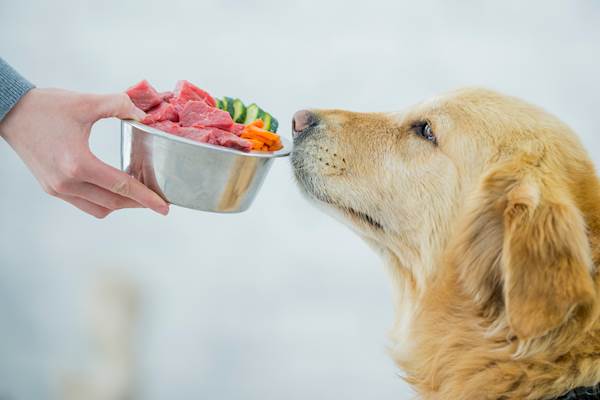
Diet plays a major role in maintaining healthy bowel movements.
Depending on the underlying cause, your veterinarian may recommend:
- Increased dietary fiber
- Highly digestible food
- Moist canned diets
- Prescription gastrointestinal diets
- Weight management diets
Some dogs benefit from additional moisture in their meals.
High-fiber dog foods and canned diets are great options.
Supplements That May Help Dogs With Constipation
While supplements won’t cure every cause of constipation, some may help support normal digestive function when used under your veterinarian’s guidance.
Pumpkin
Plain canned pumpkin is a natural source of soluble fiber and moisture. For some dogs, it can help soften stool and promote more regular bowel movements.
Be sure to use 100% plain pumpkin, not pumpkin pie filling, which contains added sugar and spices.
Shelf-stable pumpkin powder made specifically for dogs is essential to keep on hand.
Psyllium Fiber
Psyllium is a soluble fiber that absorbs water and adds bulk to the stool. In some dogs, it can help improve stool consistency and encourage regular bowel movements.
Because too much fiber can sometimes worsen constipation if a dog isn’t drinking enough water, psyllium should be used only under veterinary guidance.
Veterinary-formulated fiber supplements can be very beneficial.
Probiotics
Probiotics contain beneficial bacteria that help maintain a healthy digestive tract.
While they are more commonly used for diarrhea, probiotics may also support overall digestive health and regular bowel function in some dogs by promoting a balanced gut microbiome.
Great Options: Veterinary probiotic powders, capsules, or soft chews.
Omega-3 Fish Oil
Omega-3 fatty acids don’t directly treat constipation, but they help support overall health by promoting a healthy inflammatory response, healthy joints, skin, coat, and heart function.
For older dogs with arthritis, improving joint comfort may make squatting easier, indirectly helping with bowel movements.
Because fish oil adds calories, discuss the appropriate dosage with your veterinarian.
High-quality fish oil supplements for dogs is a must-have.
Helping Your Dog Stay Hydrated
Hydration is one of the simplest ways to support healthy bowel movements.
Ways to encourage drinking include:
- Providing fresh water at all times
- Placing multiple water bowls around the house
- Using a pet water fountain
- Adding water to meals if recommended
- Feeding canned food when appropriate
Home Care Tips for Mild Constipation
If your veterinarian has ruled out a blockage or other serious condition, these strategies may help support recovery:
- Encourage gentle exercise.
- Increase water intake.
- Feed meals consistently.
- Follow your veterinarian’s dietary recommendations.
- Monitor stool quality.
- Avoid giving bones or fatty table scraps.
- Finish all prescribed medications.
Never attempt to give enemas at home unless specifically instructed by your veterinarian.
Can Constipation Be Prevented?
Many cases can be prevented with healthy daily habits.
Helpful prevention tips include:
- Feed a balanced diet.
- Ensure constant access to clean water.
- Exercise daily.
- Maintain a healthy body weight.
- Avoid cooked bones.
- Schedule regular veterinary checkups.
- Treat arthritis or painful conditions promptly.
Products That Can Help Dogs With Constipation
These products may make managing constipation easier:
When Should You Contact Your Veterinarian?
Seek veterinary care if your dog:
- Hasn’t had a bowel movement for more than 48 hours
- Strains repeatedly without producing stool
- Cries while trying to defecate
- Has blood in the stool
- Vomits
- Stops eating
- Appears lethargic
- Has a swollen abdomen
- May have eaten a foreign object or bones
Prompt treatment can prevent constipation from progressing to obstipation or intestinal obstruction.
Final Thoughts
Constipation is a common digestive problem in dogs, but it can quickly become painful if left untreated. Fortunately, many cases improve with simple changes such as increasing hydration, adjusting the diet, encouraging regular exercise, and addressing any underlying medical conditions.
If your dog is straining, producing hard stools, or hasn’t had a bowel movement in several days, don’t wait too long before contacting your veterinarian. Early treatment is often much easier and more effective than managing severe constipation or fecal impaction.
With proper nutrition, consistent hydration, regular exercise, and routine veterinary care, most dogs can maintain healthy bowel movements and avoid recurring constipation.
Frequently Asked Questions
How do I know if my dog is constipated?
Signs of constipation include straining to poop, producing small hard stools, infrequent bowel movements, repeated squatting without passing stool, and abdominal discomfort.
How long can a dog go without pooping?
Most healthy dogs poop at least once daily. If your dog hasn’t had a bowel movement for more than 48 hours or is straining unsuccessfully, they should be evaluated by a veterinarian.
Can pumpkin help a constipated dog?
Plain canned pumpkin may help some dogs because it provides soluble fiber and moisture that can soften stool. However, it isn’t appropriate for every cause of constipation, so consult your veterinarian if symptoms persist.
Is constipation an emergency in dogs?
Mild constipation isn’t always an emergency, but repeated straining, vomiting, severe pain, abdominal swelling, or an inability to pass stool can indicate a more serious problem that requires prompt veterinary care.
What foods should I avoid if my dog is constipated?
Avoid cooked bones, excessive raw bones, fatty table scraps, and foods that your veterinarian has advised against. These can worsen constipation or increase the risk of intestinal blockage.
Are probiotics good for constipated dogs?
Probiotics may help support a healthy digestive system and promote normal gut function in some dogs, although they are not a cure for constipation.
Can dehydration cause constipation?
Yes. Dehydration is one of the most common causes of constipation because the colon absorbs additional water from the stool, making it hard and difficult to pass.
Can exercise help relieve constipation?
Yes. Regular exercise helps stimulate normal intestinal movement and can improve bowel regularity in many dogs.
Are certain dog breeds more likely to become constipated?
Constipation can occur in any breed, but it is more common in senior dogs, overweight dogs, and dogs with arthritis or neurological disorders.
When should I call my veterinarian?
Contact your veterinarian if your dog hasn’t had a bowel movement for more than two days, is repeatedly straining, vomits, stops eating, appears painful, or if you suspect they may have eaten a foreign object or bones.

The Snout and About team includes pet owners and animal health professionals with backgrounds in animal science and veterinary medicine and firsthand experience managing serious pet health conditions. Our goal is to make veterinary information accessible and actionable for everyday pet owners.