Elbow dysplasia is one of the most common causes of front‑leg lameness in dogs—especially medium, large, and giant breeds. It’s a developmental orthopedic disease that damages the elbow joint early in life and often leads to arthritis, pain, and reduced mobility. The good news: with a smart plan—weight control, activity management, physical rehab, targeted supplements, pain control, and (when indicated) surgery—most dogs can return to comfortable, active lives.
This guide explains elbow dysplasia from A to Z: the different lesion types, early signs, how vets diagnose it, non-surgical vs. surgical treatment options, at-home rehab exercises, supplements that help (omega-3s, glucosamine/chondroitin/MSM, green‑lipped mussel, UC‑II, hyaluronic acid, curcumin, and CBD), and a month-by-month roadmap.
One of the reasons I started this website is because I know what it’s like to leave the veterinary clinic with more questions than answers. Even with animal science degrees and a career in veterinary medicine, I’ve found myself going home after appointments and spending hours reading veterinary journals, talking with specialists, and trying to learn everything I could to help my own pets.
Over the years, I’ve cared for dogs with complex medical conditions, and I understand how overwhelming it can feel when you’re trying to make the best decisions for a pet you love. That’s why I write these guides—to combine my education, experience, and personal research into one place that’s easy for pet owners to understand.
This article isn’t a substitute for your veterinarian’s advice, but my goal is to help you better understand the condition, know what questions to ask, and learn about the treatments, diets, supplements, and products that may help improve your dog’s quality of life.
What Is Elbow Dysplasia?
The canine elbow is a complex hinge made of three bones—humerus, radius, and ulna. In elbow dysplasia, abnormal growth and mismatched joint surfaces cause uneven forces, cartilage injury, inflammation, and early osteoarthritis.
Common elbow dysplasia lesions (often coexisting):
- Fragmented Medial Coronoid Process (FCP): A small piece on the ulna’s coronoid breaks or cracks, irritating cartilage.
- Osteochondritis Dissecans (OCD) of the medial humeral condyle: A cartilage flap forms and can detach, causing pain and catching.
- Ununited Anconeal Process (UAP): The anconeal growth plate fails to fuse, leaving an unstable bony piece.
- Incongruency: The radius and ulna are mismatched in length/shape, creating uneven loading of joint surfaces.
Breeds at higher risk include Labrador Retrievers, Golden Retrievers, German Shepherds, Rottweilers, Bernese Mountain Dogs, Newfoundlands, and many mixed large breeds. Males are slightly overrepresented, and signs commonly begin between 5–12 months—but some dogs present later as arthritis progresses.
Early Signs and Symptoms
Front-limb lameness can be subtle. Watch for:
- Intermittent or persistent limp in a front leg (often worse after exercise or on waking)
- Stiffness that “warms out” with light movement
- Reluctance to fetch, jump, or descend stairs
- Elbow sensitivity on touch; dogs may guard or lick the area
- Shortened stride, head bobbing at a trot (head lifts when the sore limb bears weight)
- Muscle loss over the shoulder, turning paws outward, or resting with elbows abducted (turned out)
Early intervention helps slow joint damage, so don’t wait if you notice a recurring limp.
How Vets Diagnose Elbow Dysplasia
Your veterinarian or orthopedic specialist will use:
- Orthopedic exam: Joint effusion (fluid), decreased extension, medial elbow pain.
- Radiographs (X‑rays): Identify UAP, secondary arthritis (osteophytes), and some congruency issues.
- CT scan: Gold standard for detecting FCP and subtle OCD/congruency—far more sensitive than plain films.
- Arthroscopy: A minimally invasive surgical scope that both confirms the lesion and often treats it during the same procedure.
Diagnosis drives the plan—some lesions respond very well to early arthroscopy; others may be managed medically for long periods.
First-Line Management: What You Can Do Right Now
Whether or not surgery is on the table, these fundamentals reduce pain and protect the joint.
1) Keep Your Dog Lean (the single most powerful step)
- Aim for a body condition score of 4–5/9 (waist visible from above, abdominal tuck).
- Even 5–10% weight loss significantly reduces elbow load and pain.
- Weigh food, use lean training treats, and avoid free-feeding.
High‑protein weight‑management dog food
2) Activity Optimization (move smart, not less)
- Daily low‑impact walks on soft ground (grass/dirt), multiple short sessions vs. one long.
- Avoid repetitive fetch, Frisbee, explosive sprints, high-impact jumping, and slippery floors.
- Replace high-impact play with controlled scent games, puzzle feeders, and leash walks on gentle inclines.
3) Home Modifications for Elbow Comfort
- Non‑slip runners over tile/wood in high-traffic paths.
- Ramps for car/couch/porch; block leaping on/off furniture.
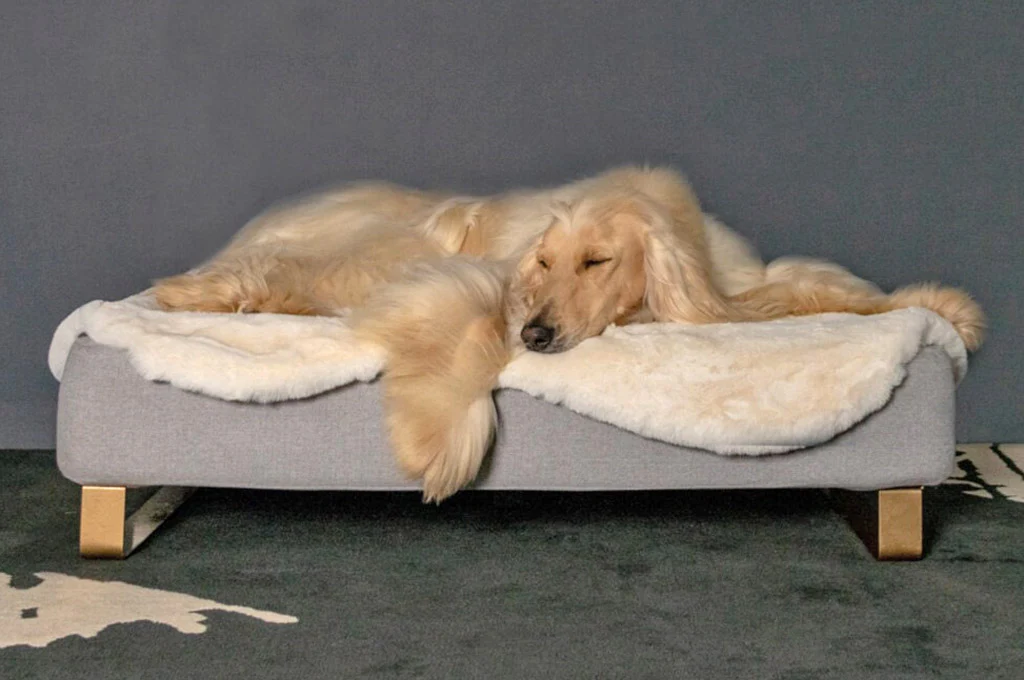
- Orthopedic bed with supportive foam and side bolsters to keep elbows cushioned.
4) Pain and Inflammation Control (vet‑prescribed)
- NSAIDs (e.g., carprofen, meloxicam) for flares or continuous control in moderate cases.
- Adjuncts: gabapentin or amantadine for neuropathic or chronic pain; short steroid courses in select scenarios (not combined with NSAIDs).
- Intra‑articular options (where available): hyaluronic acid, platelet-rich plasma (PRP), stem cell therapies.
Your vet will tailor medication schedules and monitor bloodwork for safety.
When Surgery Helps—and What to Expect
Early mechanical problems often benefit from arthroscopy, which removes loose cartilage/bone fragments and smooths damaged areas.
Common procedures:
- Arthroscopic fragment removal/debridement (FCP/OCD): Small portals + camera to remove fragments and diseased cartilage.
- Ulnar osteotomy/ostectomy (correcting incongruency): Alters load-sharing between radius and ulna.
- UAP fixation vs. removal: Depending on the dog’s age, fragment size, and joint health.
- Salvage procedures (for advanced arthritis): Sliding humeral osteotomy (SHO) to redistribute forces; elbow replacement is rare and specialized.
Outcomes:
- Many dogs improve significantly after arthroscopy, especially when treated early and combined with weight control, rehab, and joint support.
- Arthritis can still progress, but slower—your goal is best possible comfort and function long-term.
Physical Rehabilitation: Build Strength, Protect Joints
A canine rehabilitation therapist can design a program to stabilize elbows and strengthen shoulder/core muscles that support the front end.
Clinic modalities:
- Underwater treadmill or swimming to reduce joint loading while building muscle
- Laser therapy, PEMF, therapeutic ultrasound to modulate pain
- Manual therapy and targeted stretching
At‑home exercises (start with professional guidance):
- Controlled leash walks on soft surfaces (progress time/distance gradually)
- Sit‑to‑stand reps: 5–10 reps, 1–2 sets daily, slow and controlled
- Weight shifts: Stand square, gently sway side‑to‑side 30–60 seconds
- Figure‑8s around cones: 2–3 minutes, slow, broad loops
- Cavaletti poles: Low rails to encourage even stride and shoulder engagement
Stop if lameness worsens for more than 24 hours; scale back by 20–30%, then progress slower.
Supplements for Elbow Dysplasia and Arthritis
Supplements won’t “fix” joint shape, but they can reduce inflammation, protect cartilage, and improve day‑to‑day comfort. Introduce one at a time; give with meals; allow 4–8 weeks to evaluate.
Core anti‑inflammatory and cartilage support:
- Omega‑3 fish oil (EPA/DHA): Strongest natural anti‑inflammatory foundation.
- Typical daily range (combined EPA+DHA): ~20–55 mg per lb body weight.
- Ramp up over 5–7 days to avoid loose stool.
- Glucosamine + Chondroitin + MSM: Cartilage building blocks and joint comfort.
- Typical daily totals (label/vet guided):
- Glucosamine HCl: ~500–1,500 mg based on size
- Chondroitin sulfate: ~200–800 mg
- MSM: ~100–200 mg per 10 lb
- Typical daily totals (label/vet guided):
- Green‑Lipped Mussel (GLM): ETA omega‑3s + natural glycosaminoglycans for stiffness.
Joint lubrication and modulation:
- Hyaluronic Acid (HA): Supports synovial fluid viscosity for smoother movement.
- Undenatured Type II Collagen (UC‑II): Low‑dose immune modulation targeting joint collagen; once-daily convenience.
- Typical dose: ~40 mg once daily (label specific).
Advanced anti‑inflammatory support:
- Curcumin (high‑absorption turmeric extract): Potent anti‑inflammatory/antioxidant.
- Choose liposomal/micellar or piperine‑enhanced formulas; give with food.
- Caution with blood thinners; coordinate with NSAIDs under vet guidance.
- CBD (THC‑free, vet‑guided): May reduce pain perception and movement anxiety.
- Start ~0.25 mg per lb twice daily; titrate slowly.
Simple starter stacks:
- Core: Fish oil + glucosamine/chondroitin/MSM
- Upgrade: Add GLM + UC‑II or HA
- For flares: Add curcumin; consider CBD at bedtime
Daily Routine for an Elbow‑Friendly Life
Morning
- Short, soft‑surface walk (10–15 minutes)
- Supplements with breakfast (fish oil + joint chews)
- Gentle weight shifts (30–60 seconds)
Midday
- Sniff walk or puzzle feeder for mental work without leaps
- Cool rest on supportive bed
Evening
- Second short walk or figure‑8s around cones (2–3 minutes)
- Supplements with dinner (UC‑II/HA, curcumin if using)
- Light stretching or massage as advised by your rehab therapist
Home environment checklist
- Non‑slip paths from bed to door and to bowls
- Elevated platform for car entry or a ramp
- Bolstered orthopedic bed to cushion elbows
- Padded harness for controlled assistance on stairs/into vehicles
Month‑by‑Month Roadmap
Month 1: Stabilize and Reduce Inflammation
- Weight check and calorie plan for lean BCS
- Start fish oil + glucosamine/chondroitin/MSM
- Replace fetch with 2–3 short soft‑ground walks daily
- Add non‑slip runners and supportive bed
- Vet review for NSAID plan (as needed)
Month 2: Build Strength and Mobility
- Add GLM and either UC‑II or HA
- Begin structured rehab: sit‑to‑stands, figure‑8s, weight shifts; consider underwater treadmill
- Reassess gait after activity; adjust volume to avoid >24‑hour setbacks
Month 3: Fine‑Tune and Future‑Proof
- Add curcumin for lingering stiffness; consider CBD for nighttime restlessness
- Recheck with vet or rehab therapist; consider imaging if lameness persists
- If mechanical signs remain strong (catching, persistent pain), discuss CT/arthroscopy
Track progress weekly:
- Lameness score (0–10)
- Ease of rising
- Walk duration before limp
- Willingness to descend stairs
- Post‑exercise soreness next day
Frequently Asked Questions: Elbow Dysplasia in Dogs
- Can elbow dysplasia be cured without surgery? No—joint incongruity won’t reverse. But many dogs do very well for years with weight control, optimized activity, home modifications, rehab, pain control, and joint supplements. Surgery helps when a mechanical fragment or incongruity keeps irritating the joint.
- Does arthroscopy fix elbow dysplasia permanently? It often improves comfort and function by removing fragments and smoothing cartilage, especially when done early. Arthritis may still progress, but typically more slowly with good aftercare.
- Is rest better than exercise? Neither extreme helps. Controlled, low‑impact, consistent movement lubricates joints and builds stabilizing muscle. Avoid explosive play; prefer multiple short walks and rehab drills.
- What flooring is best? Textured vinyl, rubber runners, or area rugs with grippy underlay. Cover main pathways—bed to door, food/water to rest area, and stairs/entryways.
- How long until supplements help? Expect 2–4 weeks for early changes and 6–8+ weeks for full benefit. Introduce one at a time and give with meals.
- Will my dog need lifelong medication? Many dogs cycle NSAIDs during flares and rely on lifestyle + supplements day‑to‑day. Others need continuous meds. Your vet will tailor the safest plan and monitor bloodwork.
- Which dogs are most at risk? Medium to giant breeds, especially Labs, Goldens, Shepherds, Rottweilers, and Berners. Genetics, rapid growth, excess weight, and high‑impact puppy exercise increase risk.
- Is swimming good for elbow dysplasia? Yes—buoyant conditioning is excellent. Use safe entries/exits to prevent slippery slips, and keep sessions moderate.
- Can braces help? Some elbow braces may provide warmth/compression and proprioceptive feedback. Evidence is mixed; trial under professional guidance to ensure they don’t alter gait negatively.
- When should I see a specialist? If lameness persists >2–4 weeks despite rest and NSAIDs, if it recurs repeatedly, or if your dog is under a year with obvious elbow pain, ask for referral to an orthopedic specialist for CT and possible arthroscopy.
Final Thoughts
Elbow dysplasia is common—but highly manageable. Focus on what moves the needle most:
- Keep your dog lean.
- Replace high‑impact play with controlled, low‑impact movement.
- Add traction and supportive rest areas at home.
- Use a targeted supplement stack and vetted pain control.
- Consider arthroscopy when mechanical lesions drive ongoing irritation.
With a steady, informed routine, most dogs regain comfort, confidence, and the freedom to enjoy everyday adventures.
Quick list:
- High‑purity fish oil
- Glucosamine/Chondroitin/MSM chews
- Green‑lipped mussel powder
- UC‑II collagen or HA topper
- High‑absorption curcumin chews
- Orthopedic bed, non‑slip runners, car/sofa ramp, padded harness

The Snout and About team includes pet owners and animal health professionals with backgrounds in animal science and veterinary medicine and firsthand experience managing serious pet health conditions. Our goal is to make veterinary information accessible and actionable for everyday pet owners.