Why do dogs Shed? shedding is a natural part of a dog’s hair growth cycle. Old or damaged hair falls out so new, healthy hair can grow in. Some dogs shed lightly year-round, while others shed heavily in seasonal cycles.
The amount your dog sheds depends on:
✔ Breed
✔ Coat type
✔ Health
✔ Season
✔ Nutrition
⸻
🌤️ Seasonal vs Year-Round Shedding
1. Seasonal Shedding (Coat Blow)
Double-coated breeds shed heavily in spring and fall when they “blow their coat.”
Common breeds that blow coat:
• Huskies
• German Shepherds
• Golden Retrievers
• Akitas
• Malamutes
• Pomeranians
This is normal and temporary—but intense.
2. Year-Round Shedding
Short-haired, single-coated breeds may shed consistently throughout the year.
Examples:
• Beagles
• Labrador Retrievers
• Pit Bull mixes
• Boxers
• Dalmatians
These dogs don’t blow coat, but they drop hair daily.
⸻
🐶 Causes of Excessive Shedding (When It’s NOT Normal)
While shedding is normal, excessive shedding may indicate a problem.
Common causes include:
1. Poor Diet or Lack of Fatty Acids
Dogs need omega-3 and omega-6 for healthy skin and coats.
2. Allergies
Environmental allergies, food allergies, or flea reactions can increase shedding.
3. Dry Skin
Caused by winter air, bathing too often, or certain shampoos.
4. Parasites
Fleas, ticks, and mites can cause patchy hair loss and itchiness.
5. Stress & Anxiety
Dogs under stress may shed more (especially during vet visits or big changes).
6. Hormonal or Thyroid Issues
Hypothyroidism, pregnancy, and other hormonal imbalances can cause hair thinning.
7. Infections or Medical Conditions
Hot spots, dermatitis, and fungal infections disrupt healthy coat growth.
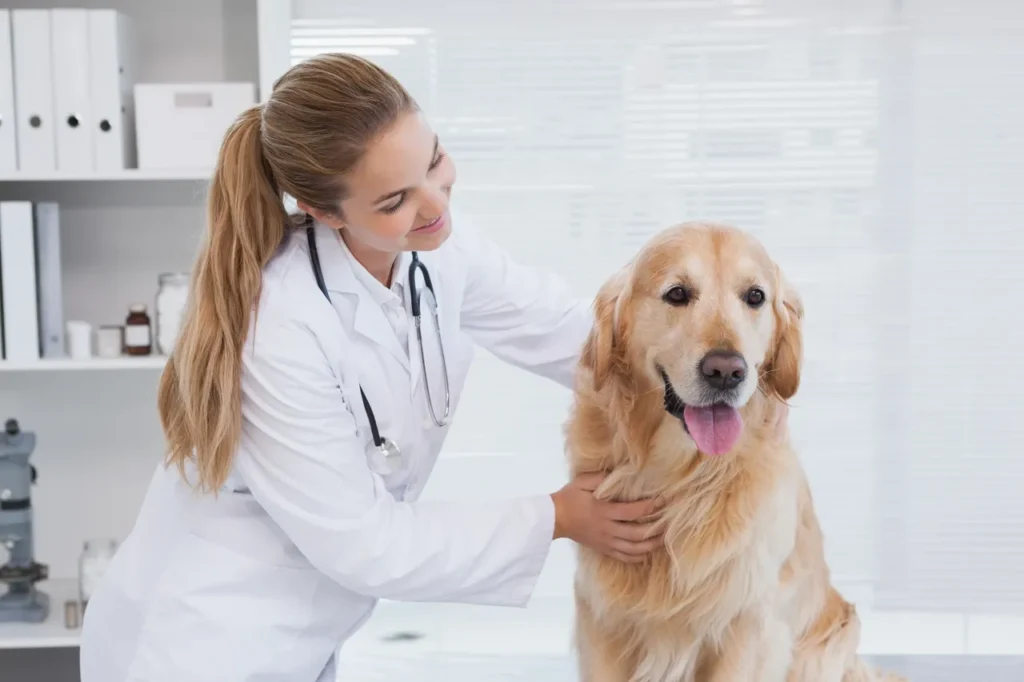
If shedding suddenly becomes excessive or bald spots appear, consult your veterinarian.
⸻
🛁 How to Reduce Dog Shedding
While you can’t stop shedding completely, you can drastically reduce the amount of hair in your home with the right routine and products.
⸻
🪮 1. Brush Regularly (The #1 Way to Reduce Shedding)
Different coats need different brushes:
Best Brush Types for Shedding:
• Deshedding tool: for thick undercoats
• Slicker brush: for long or curly coats
• Rubber curry brush: for short-haired breeds
• Metal comb: to remove tangles
SEO Keywords: best brushes for shedding dogs, deshedding tools, brushing dog coat
⸻
🧴 2. Use the Right Shampoo & Conditioners
Look for shampoos labeled:
• Oatmeal
• Hypoallergenic
• Moisturizing
• Shed-control formulas
Follow with a nourishing conditioner to protect the skin.
SEO Keywords: dog shampoo for shedding, best dog conditioner, dog skin care
⸻
Fish oil is one of the most effective natural ways to reduce shedding.
Benefits of omega-3 supplements:
• Softer coat
• Less dryness
• Reduced inflammation
• Healthier skin
SEO Keywords: fish oil for dogs shedding, dog omega supplements, coat health supplements
⸻
🥗 4. Improve Your Dog’s Diet
High-quality food leads to a healthier coat. Look for:
• Real meat as the first ingredient
• Balanced fatty acids
• No fillers or artificial dyes
Poor diets = dry skin + increased shedding.
⸻
🐕 5. Keep Up With Flea & Tick Prevention
Skin irritation from parasites can trigger shedding and hair loss. Preventatives help avoid that entirely.
⸻
💧 6. Maintain Proper Hydration
Dry hair breaks more easily. Dogs who don’t drink enough water often shed more.
⸻
🏡 7. Reduce Stress
Dogs shed more when anxious.
Help reduce stress with:
• Daily exercise
• Mental enrichment
• Soothing music
• Anxiety vests
⸻
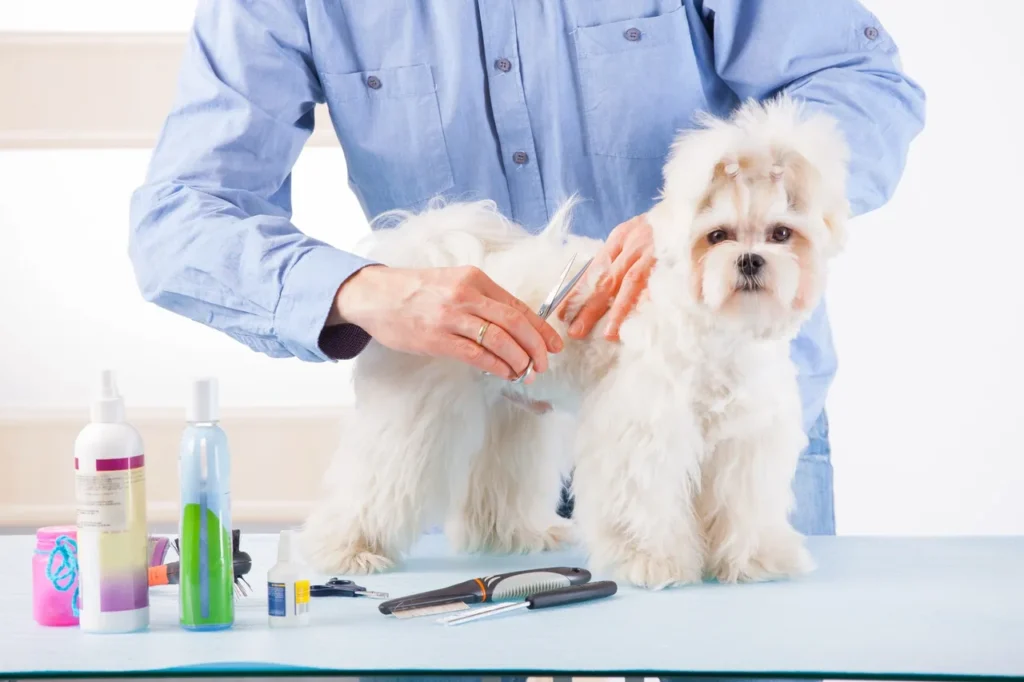
✂️ 8. Regular Professional Grooming
Professional groomers can:
• Deep deshed
• Bathe with high-end products
• Blow out loose coat
• Trim problem areas
If your dog sheds heavily, monthly grooming can be a game changer.
⸻
⚠️ When to See a Vet About Shedding
Schedule a veterinary visit if your dog has:
• Bald patches
• Red, irritated skin
• Odor or discharge
• Excessive scratching
• Sudden hair loss
• Lethargy or weight changes
This may signal medical issues like allergies, infections, or thyroid disorders.

The Snout and About team includes pet owners and animal health professionals with backgrounds in animal science and veterinary medicine and firsthand experience managing serious pet health conditions. Our goal is to make veterinary information accessible and actionable for everyday pet owners.