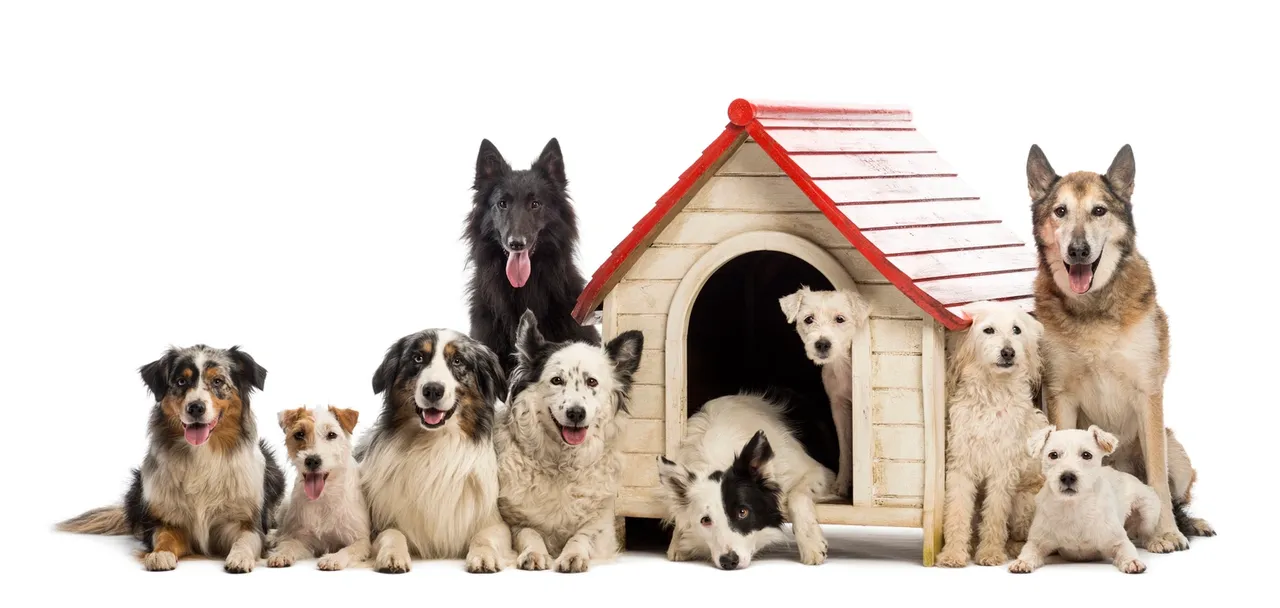
Caring for one dog can be a handful. Caring for ten dogs at once? That’s a full-time lifestyle. Whether you’re running a small rescue, managing a breeding household, or simply love living with a pack, daily organization is everything. Ten dogs mean ten personalities, feeding needs, energy levels, and bathroom breaks—all happening at once.
The good news: with a consistent routine, structured environment, and the right tools, a large multi-dog household can run smoothly and happily. Below is a comprehensive guide on how to manage 10 dogs at home, including feeding schedules, cleaning strategies, training, enrichment, and keeping the peace.
Understanding the Dynamics of a 10-Dog Household
When you live with ten dogs, you’re essentially managing a pack system—whether you intended to or not. Dogs thrive on hierarchy and predictability, so it’s your job to become the consistent, calm leader of the group.
- Structure prevents chaos. Without order, you’ll see fights, stress, and accidents quickly escalate.
- Fairness builds respect. Every dog should get attention, exercise, and space—no favoritism.
- Routine creates safety. Predictable feeding, cleaning, and rest prevent confusion and anxiety.
Your dogs will model your energy. If you’re calm, consistent, and confident, they’ll follow your lead.
Setting Up Your Home for a Multi-Dog Life
A clean, safe, and efficient setup is the backbone of large dog management.
1. Zoning Your Space
Divide your home into zones for feeding, play, sleep, and grooming. This helps prevent overcrowding and resource guarding (fights over food or toys).
- Feeding zone: Each dog eats in a labeled area, ideally separated by gates or crates.
- Quiet/sleep zone: Provide sturdy washable beds spaced to prevent crowding.
- Play area: Fenced outdoor space or an indoor rubber-matted play zone.
- Isolation space: For illness, new introductions, or cool-downs after scuffles.
2. Storage Solutions
Having ten dogs means endless supplies. Keep it organized with:
- Stackable airtight dog food containers
- Labelled storage bins for collars, toys, leashes, and meds
- Wall-mounted hooks for harnesses and towels
3. Durable Flooring and Surfaces
Choose cleaning-friendly materials: vinyl flooring, tile, or sealed concrete. Use washable rug runners in high-traffic zones and odor-neutralizing sprays to control scent.
Feeding 10 Dogs Without Chaos
Mealtimes are when big household tension often flares. Food equals excitement—and competition.
1. Establish a Consistent Schedule
Feed all dogs twice daily at the same times each day, ideally 12 hours apart. Routine mealtimes reduce anxiety and digestive issues.
2. Assign Personal Feeding Spaces
Every dog should have its own bowl and designated space.
Options:
- Feed individually in crates or separated by baby gates.
- Feed smaller groups (2–3 dogs) that are socially compatible.
A set of stackable stainless steel bowls keeps feeding efficient and sanitary.
3. Organize Diets by Type or Age
With multiple dogs, it’s likely they don’t all eat the same food. Group them:
- Puppies and seniors: Smaller meals, softer consistency
- Active adults: Higher protein or performance formulas
- Special diets: Feed prescription or allergy diets separately
Label each food container clearly, and create a laminated feeding chart taped to the wall for quick reference.
4. Training During Feeding
Use feeding times to reinforce manners and leadership:
- Wait until all bowls are down before giving your release command (“Okay!”).
- Reward calm waiting behavior.
- Never feed excitable or snapping dogs first—reward calmness, not chaos.
Keeping the Peace: Preventing Fights and Tension
Managing ten dogs means managing ten temperaments. Even the friendliest groups can have tension without structure.
1. Understand Pack Hierarchy
Dogs naturally form social structures. Observe who leads play, who yields toys, and who gets nervous easily. You don’t have to “dominate,” but you must control access to resources—food, space, attention.
- Feed the most confident dogs last to reinforce your control.
- Intervene early at signs of tension: rigid posture, hard stares, quiet growls.
- Always stay neutral—don’t scold one dog publicly, simply redirect calmly.
2. Supervise High-Value Moments
Bones, new toys, and food bowls can trigger guarding. Offer these items only under supervision or in separate spaces.
3. Structured Playtime
Avoid letting all ten dogs play at once in tight spaces. Rotate:
- Group A: calm, older dogs
- Group B: energetic, playful dogs
- Group C: training or rest time
Rotating playgroups keeps everyone safe and gives dogs time to rest.
4. Training Consistency
Teach calm behavior first—every dog should know Sit, Stay, Come, and Wait. Use positive reinforcement. Keep short 5–10 minute group sessions and finish on success.
Reward calm collective behavior with treats from a multi-pocket training pouch.
Cleaning Strategies for Multi-Dog Households
Ten dogs create massive amounts of hair, odor, and dirt. Staying ahead of cleaning prevents burnout.
1. Create a Daily Hygiene Routine
- Morning: Sweep or vacuum fur before breakfast.
- Midday: Pick up poop in yard; change pee pads for small dogs.
- Evening: Wipe paws before entry; sanitize feeding stations.
Tools that help:
2. Weekly Deep Clean
- Launder dog beds, blankets, and soft toys.
- Wash bowls in hot, soapy water or dishwasher.
- Wipe crate doors, gates, and baseboards with pet-safe cleaner.
- Rotate bedding to ensure each dog gets a fresh sleeping spot weekly.
3. Air Quality and Odor Control
Ten dogs mean hair and moisture everywhere. Use:
- HEPA air purifier
- Dehumidifier for damp climates
- Open windows daily for airflow when possible
A few drops of dog-safe essential oils in a diffuser can help keep your space neutral-smelling—but never overdo it.
Grooming and Health Care Organization
Regular grooming keeps your pack smelling fresh and reduces vet visits.
1. Group Grooming Days
Plan one or two maintenance grooming days each week: brushing, nail trimming, ear checks. Rotate who gets attention so each dog stays accustomed to handling.
2. Individual Grooming Zone
Use a nonslip table or foldable grooming station. Keep a labeled toolkit for brushes, clippers, and shampoos.
3. Medical Tracking
With ten dogs, vet records get confusing fast. Keep:
- A binder or digital spreadsheet listing vaccines, medications, and flea/tick schedules.
- A color-coded calendar or app reminder system.
- A first-aid kit stocked for emergencies.
Bonus tip: photograph each dog’s medication label and dosage instructions for instant access.
Scheduling and Rotation System
Your daily rhythm defines how smoothly a 10-dog household functions.
Consistency equals peace. Once the schedule becomes predictable, dogs relax and cooperate naturally.
Socialization and Enrichment
Ten dogs can get bored easily if you don’t rotate stimulation. Enrichment keeps minds active and reduces destructive behavior.
Ideas to rotate daily:
- Kong toys filled with treats
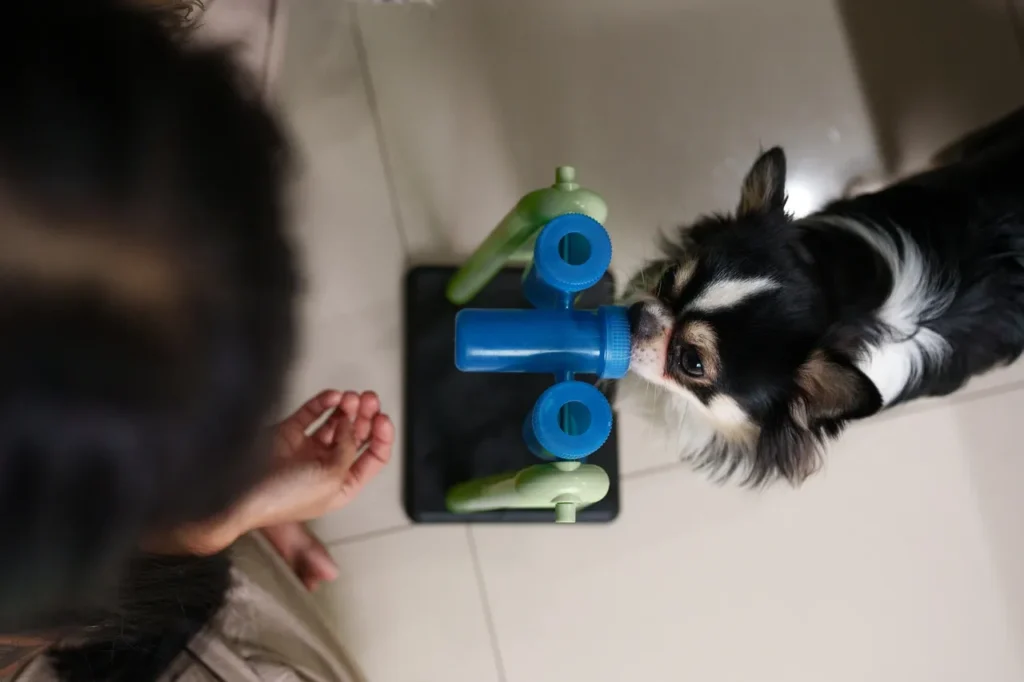
- Snuffle mats to engage noses
- Group obedience games (sit circles, down-stays)
- Rotate toys weekly to maintain excitement
Use short training sessions to reinforce good manners and prevent “mob chaos” when guests or deliveries arrive.
Mental Health for You, the Human
Managing ten dogs can be draining. Build self-care into your structure:
- Automate tasks: robot vacuums, scheduled feeders, auto water fountains.
- Enlist help—professional groomers, dog walkers, or vet techs for nail trims.
- Designate “quiet rooms” for yourself when you need downtime.
A happy, balanced human equals a stable pack.
Essential Tools for Managing a 10-Dog Household
Investing in quality equipment saves time, money, and stress:
- 🦴 Stackable feeding bowls
- 🛏️ Washable orthopedic dog beds
- ⚙️ Heavy-duty baby gates and pens
- 🧼 Pet-safe cleaner and enzyme spray
- 🐾 Cordless vacuum and grooming tools
- 🗂️ Color-coded collar tags and storage bins
Frequently Asked Questions About Managing 10 Dogs
1. Is it really possible to manage 10 dogs at home?
Yes—with commitment, structure, and the right organization. It isn’t easy, but consistency in routine, cleaning, and behavior management turns chaos into calm.
2. How do I stop fights between dogs?
Prevent, don’t react. Feed separately, manage introductions carefully, supervise play, and know each dog’s triggers. Neuter males if aggression is hormone-driven and keep training positive and structured.
3. What about medical costs?
Veterinary expenses multiply quickly. Consider pet insurance for core dogs and set up a dedicated emergency fund. Routine preventative care is cheaper than crisis treatment.
4. How often should I bathe so many dogs?
Most dogs do fine with a bath every 4–6 weeks. Use dry shampoo or grooming wipes between baths to stay fresh. Keep coat health consistent with regular brushing.
5. How do I manage house odor?
Regular vacuuming, enzyme cleaners, good ventilation, and washing bedding weekly are essential. A HEPA air purifier can drastically reduce dog smell and dander levels.
6. Should I crate 10 dogs at once?
Only if you have space and each dog is crate-trained and calm in their own space. Crates can be invaluable for feeding, resting, or preventing fights—but never use them as punishment.
7. How much time does cleaning really take?
Expect 1–2 hours a day total for quick cleans and one deep clean day weekly. With the right gear and schedule, it becomes manageable and routine.
8. What’s the hardest part of managing a big pack?
Balancing individual attention. Dogs are pack animals, but each still craves one-on-one bonding. Rotate cuddle time, enrichment, and walks so every dog feels loved.
Final Thoughts
Living with 10 dogs may sound overwhelming, but when the household runs on structure, routine, and mutual respect, it becomes an incredibly rewarding experience. Each dog finds its place in the rhythm, and you become the calm center of their world.
With smart organization, consistent leadership, and a lot of love, a big pack can coexist peacefully—proof that harmony isn’t about numbers; it’s about balance.