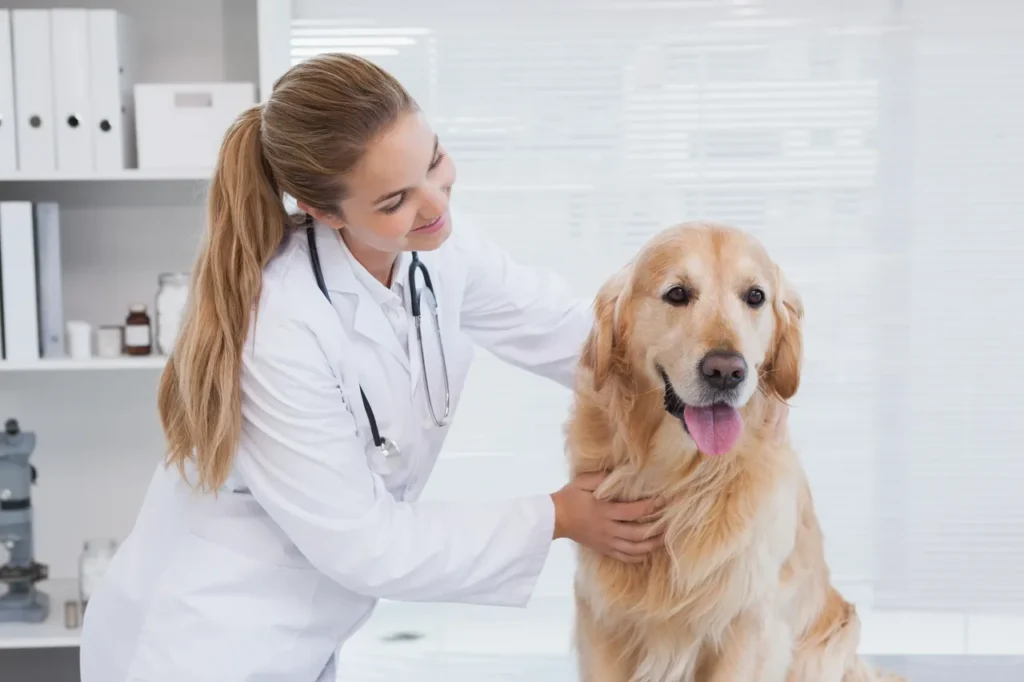
If your dog is constantly scratching, licking their paws, rubbing their face on the carpet, or dealing with recurring ear infections, allergies may be the cause. Allergies are one of the most common reasons dogs visit the veterinarian and can affect their skin, ears, digestive system, and overall quality of life.
Although allergies usually can’t be cured, they can often be managed successfully with the right combination of veterinary care, diet, medications, environmental management, and supplements. The key is identifying what’s triggering your dog’s symptoms and developing a treatment plan that works for them.
One of the reasons I started this website is because I know what it’s like to leave the veterinary clinic with more questions than answers. Even with animal science degrees and a career in veterinary medicine, I’ve found myself going home after appointments and spending hours reading veterinary journals, talking with specialists, and trying to learn everything I could to help my own pets.
Over the years, I’ve cared for dogs with complex medical conditions, and I understand how overwhelming it can feel when you’re trying to make the best decisions for a pet you love. That’s why I write these guides—to combine my education, experience, and personal research into one place that’s easy for pet owners to understand.
This article isn’t a substitute for your veterinarian’s advice, but my goal is to help you better understand the condition, know what questions to ask, and learn about the treatments, diets, supplements, and products that may help improve your dog’s quality of life.
In this guide, you’ll learn everything you need to know about allergies in dogs, including the different types of allergies, symptoms, causes, diagnosis, treatment options, diet recommendations, supplements that may support skin health, and practical ways to reduce flare-ups.
What Are Allergies in Dogs?
An allergy occurs when a dog’s immune system overreacts to something that is normally harmless. Instead of ignoring substances like pollen, dust mites, or certain foods, the immune system treats them as a threat and triggers inflammation.
Unlike people, who often develop sneezing or watery eyes, dogs usually show allergy symptoms through their skin and ears.
Allergies may develop at any age, although many dogs first show signs between one and three years old.
Types of Allergies in Dogs
Several different types of allergies can affect dogs.
Environmental Allergies (Atopic Dermatitis)
Environmental allergies are among the most common.
Triggers may include:
- Pollen
- Grass
- Trees
- Weeds
- Mold spores
- Dust mites
- Storage mites
Many dogs experience seasonal symptoms, while others have year-round allergies.
Food Allergies
Food allergies occur when the immune system reacts to a specific ingredient, usually a protein.
Common food allergens include:
- Beef
- Chicken
- Dairy
- Eggs
- Wheat
- Soy
Contrary to popular belief, grain allergies are relatively uncommon in dogs.
Food allergies typically cause itchy skin, ear infections, or digestive problems rather than sudden stomach upset after eating a new food.
Flea Allergy Dermatitis
Some dogs are extremely sensitive to flea saliva.
Even a single flea bite can trigger intense itching that lasts for days or weeks.
Flea allergy dermatitis commonly affects:
- The lower back
- Base of the tail
- Hindquarters
Year-round flea prevention is one of the best ways to prevent this type of allergy.
Contact Allergies
Some dogs develop allergic reactions after direct contact with certain materials.
Possible triggers include:
- Cleaning products
- Certain shampoos
- Lawn chemicals
- Fabrics
- Rubber
- Plastic food bowls
Contact allergies are less common than environmental allergies.
Symptoms of Allergies in Dogs
Allergies can affect multiple parts of the body.
Common symptoms include:
- Constant scratching
- Chewing the paws
- Red paws
- Licking the feet
- Ear infections
- Head shaking
- Hair loss
- Red skin
- Hot spots
- Skin infections
- Thickened skin
- Face rubbing
- Watery eyes
- Sneezing (less common)
- Diarrhea in some food allergy cases
- Vomiting in some food allergy cases
Many dogs also develop secondary bacterial or yeast infections because repeated scratching damages the skin.
What Causes Allergies?
The exact reason some dogs develop allergies while others do not isn’t fully understood.
Factors that likely contribute include:
- Genetics
- Environmental exposures
- Immune system function
- Skin barrier health
- Breed predisposition
Dogs often become more allergic over time as repeated exposure sensitizes the immune system.
Breeds Commonly Affected
Although any dog can develop allergies, they are particularly common in:
- Labrador Retrievers
- Golden Retrievers
- French Bulldogs
- Boxers
- Bulldogs
- West Highland White Terriers
- Pit Bull-type breeds
- Cocker Spaniels
- Shar-Peis
Mixed-breed dogs are also commonly affected.
How Are Allergies Diagnosed?
Diagnosis begins with a complete history and physical examination.
Your veterinarian may recommend:
- Skin examination
- Ear examination
- Flea combing
- Skin cytology
- Skin scraping
- Fungal testing
- Food elimination trial
- Blood allergy testing
- Intradermal allergy testing
Food allergies are typically diagnosed through a strict elimination diet rather than blood testing.
Treatment for Allergies in Dogs
Treatment depends on the type and severity of the allergy.
Your veterinarian may recommend:
- Prescription allergy medications
- Medicated shampoos
- Ear medications
- Flea prevention
- Antibiotics
- Antifungal medications
- Allergy immunotherapy
- Diet changes
- Regular bathing
Many dogs require a combination of treatments for the best long-term control.
The Best Diet for Dogs With Allergies
Nutrition plays an important role, especially for dogs with food allergies.
Depending on your dog’s diagnosis, your veterinarian may recommend:
- Limited ingredient diets
- Hydrolyzed protein diets
- Novel protein diets
- Prescription allergy diets
Avoid changing foods frequently unless directed by your veterinarian, as this can make diagnosing food allergies more difficult.
Great Options: Limited ingredient dog foods and hydrolyzed diets
Supplements That May Help Dogs With Allergies
Supplements cannot cure allergies, but some may help support skin health and reduce inflammation as part of a veterinarian-approved treatment plan.
Omega-3 Fish Oil
Omega-3 fatty acids are one of the most commonly recommended supplements for dogs with allergies.
Potential benefits include:
- Supporting a healthy inflammatory response
- Improving skin barrier function
- Reducing dry, flaky skin
- Promoting a shinier coat
- Supporting joint, heart, and brain health
While fish oil won’t eliminate allergies, it may help reduce skin inflammation and improve overall skin health over time.
Great Choice: High-quality fish oil supplements formulated specifically for dogs.
Probiotics
Emerging research suggests the gut microbiome plays an important role in immune system function.
Probiotics may help:
- Support digestive health
- Promote beneficial gut bacteria
- Support immune health
- Improve stool quality
- Complement treatment for some dogs with food sensitivities
Although probiotics are not a cure for allergies, they may be beneficial as part of a comprehensive management plan.
Top Picks: Veterinary-formulated probiotic powders and soft chews.
Skin and Coat Supplements
Supplements containing omega fatty acids, vitamin E, biotin, or other skin-supportive nutrients may help maintain healthier skin and improve coat quality.
These supplements work best alongside allergy treatment rather than as a replacement for medication.
Essential Pick: Skin and coat chews
Colostrum Supplements
Some canine allergy supplements include bovine colostrum, which contains naturally occurring antibodies and bioactive compounds.
Limited research suggests colostrum may support immune system health and intestinal barrier function in some dogs, although more studies are needed to fully understand its role in allergy management.
Always discuss new supplements with your veterinarian before starting them.
Great Choice: Colostrum-based immune support supplements for dogs.
Bathing Dogs With Allergies
Regular bathing can remove pollen, dust, and other allergens from your dog’s skin and coat.
Depending on your veterinarian’s recommendations, medicated shampoos may also:
- Soothe irritated skin
- Reduce bacteria
- Control yeast overgrowth
- Moisturize dry skin
Avoid using human shampoos, as they can disrupt your dog’s skin barrier.
Great Products: Medicated shampoos and allergy wipes
Keeping Allergens Under Control at Home
Reducing environmental allergens may help decrease flare-ups.
Helpful strategies include:
- Wipe paws after walks.
- Wash bedding regularly.
- Vacuum frequently.
- Use high-quality air filters.
- Keep grass trimmed.
- Bathe your dog after heavy pollen exposure.
- Stay consistent with flea prevention.
Small changes can make a noticeable difference for some dogs.
Can Allergies Be Cured?
Most allergies cannot be permanently cured.
However, they can often be successfully managed through:
- Medication
- Immunotherapy
- Diet
- Flea control
- Skin care
- Environmental management
Many dogs enjoy an excellent quality of life with the right treatment plan.
Products That Can Help Dogs With Allergies
Many owners find these products helpful:
- Fish oil supplements
- Veterinary probiotics
- Skin and coat supplements
- Medicated shampoos
- Allergy wipes
- Ear cleaners
- Air purifiers
- Washable dog beds
- Limited ingredient dog food
- Flea prevention products
When Should You Contact Your Veterinarian?
Schedule an appointment if your dog:
- Scratches constantly
- Has recurring ear infections
- Develops hair loss
- Has red or inflamed skin
- Chews their paws excessively
- Develops hot spots
- Has recurrent skin infections
- Experiences vomiting or diarrhea that may be related to food allergies
Early treatment can prevent secondary infections and improve your dog’s comfort.
Final Thoughts
Allergies are one of the most common chronic conditions affecting dogs, but they don’t have to prevent your pet from living a happy, comfortable life. Whether your dog’s allergies are caused by pollen, food, fleas, or another trigger, identifying the underlying cause is the first step toward effective management.
Working closely with your veterinarian, staying consistent with medications and flea prevention, feeding an appropriate diet, and supporting skin health through proper grooming and nutrition can dramatically improve your dog’s quality of life.
If your dog is constantly scratching, licking, or dealing with recurring skin or ear problems, don’t assume they’ll simply outgrow it. Early diagnosis and treatment can reduce discomfort, prevent complications, and help your dog feel their best year-round.
Frequently Asked Questions
What are the most common allergy symptoms in dogs?
The most common symptoms include itching, paw licking, ear infections, red skin, hair loss, scratching, and hot spots.
What causes allergies in dogs?
Dogs may develop allergies to environmental allergens such as pollen or dust mites, flea saliva, certain foods, or substances they come into contact with.
What is the best food for dogs with allergies?
Dogs with food allergies often benefit from limited ingredient, hydrolyzed protein, or novel protein diets recommended by their veterinarian.
Are grain allergies common in dogs?
No. True grain allergies are relatively uncommon. Most food allergies in dogs involve proteins such as beef, chicken, or dairy.
Can fish oil help dogs with allergies?
Yes. Omega-3 fatty acids may help support a healthy inflammatory response, improve skin barrier function, and promote healthier skin and coat.
Are probiotics good for dogs with allergies?
Probiotics may support digestive health and immune function and can be helpful for some dogs, particularly those with food sensitivities or gastrointestinal symptoms.
Can allergies cause ear infections?
Yes. Chronic or recurring ear infections are one of the most common signs of allergies in dogs.
Can allergies be cured?
Most allergies cannot be permanently cured, but they can often be managed successfully with medication, diet, immunotherapy, and environmental management.
How often should I bathe a dog with allergies?
The ideal bathing schedule depends on your dog’s condition and the type of shampoo being used. Your veterinarian can recommend a schedule based on your dog’s skin health and allergy severity.
When should I take my dog to the veterinarian for allergies?
Schedule an appointment if your dog has persistent itching, recurrent ear infections, hot spots, hair loss, skin infections, or digestive problems that may be related to allergies.

The Snout and About team includes pet owners and animal health professionals with backgrounds in animal science and veterinary medicine and firsthand experience managing serious pet health conditions. Our goal is to make veterinary information accessible and actionable for everyday pet owners.