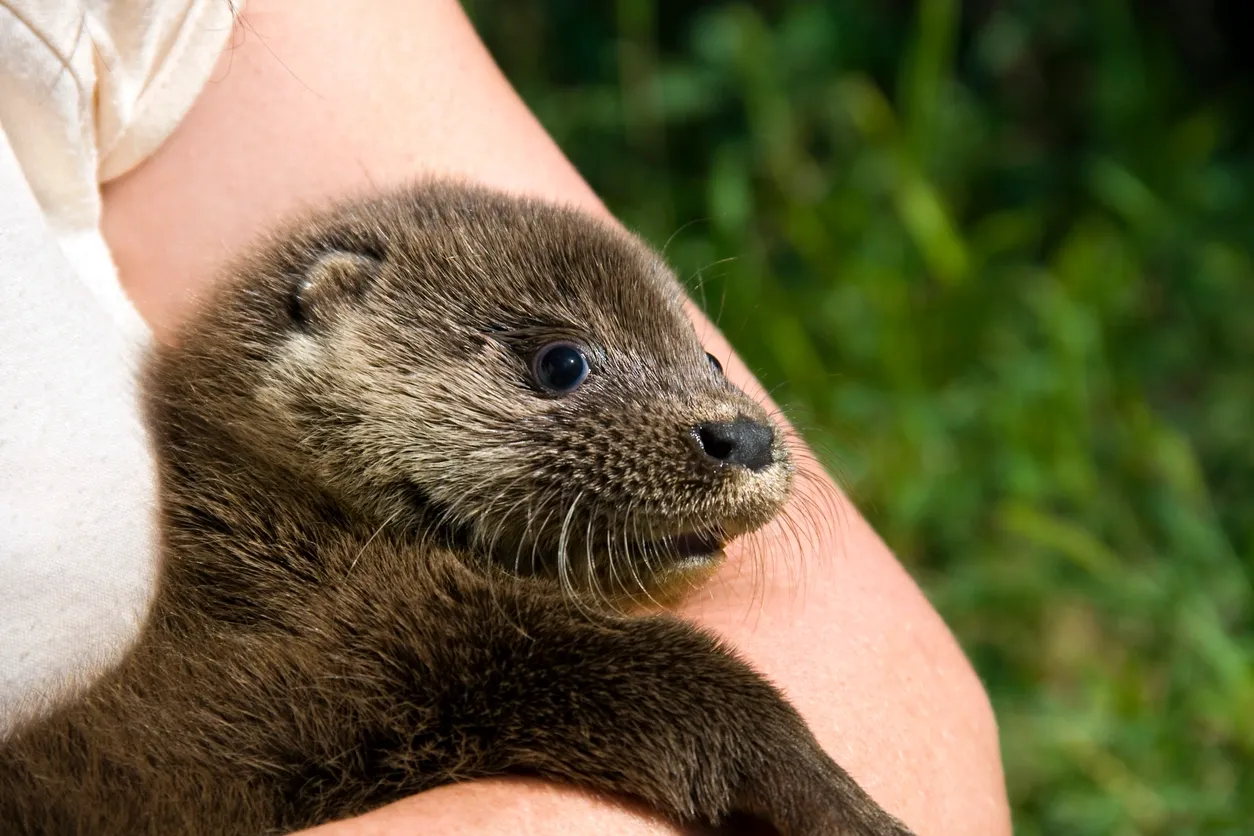
Owning Exotic Pets are becoming more popular every year, especially among animal lovers who want something a little more unique than the traditional cat or dog. From tiny reptiles to unusual marsupials, these animals can make incredibly rewarding companions—but they also come with unique challenges, responsibilities, and legal considerations.
Before bringing home an exotic pet, it’s important to understand what you’re getting into. Here’s a breakdown of some popular exotic pets, what makes them great, and what makes them not-so-great for certain owners. Top Pet Care Tips for Every Pet Owner
⚠️ First Things First: Laws Vary Widely
Exotic animal ownership laws differ by state, county, and even city.
Some species require special permits, while others are restricted or banned entirely.
Before adopting, always check your local wildlife, agriculture, and animal control laws to avoid fines, confiscation, or legal issues.
Popular Exotic Pets and What to Expect
🦎
1. Leopard Geckos
Why they make good pets:
- Low-maintenance and beginner-friendly
- Quiet, small, and clean
- Simple habitat requirements
- Can live 10–20 years with proper care
Potential downsides:
- Need live insects (mealworms, crickets)
- Can be fragile if mishandled
- Not a highly interactive or cuddly pet
🐹
2. Hedgehogs
Why they make good pets:
- Adorable, quirky personalities
- Odorless and relatively clean
- Good for small living spaces
Potential downsides:
- Nocturnal—not ideal for someone who wants daytime interaction
- Require specific temperatures to stay healthy
- Some areas restrict ownership
🐍
3. Ball Pythons
Why they make good pets:
- Calm and handleable
- Low-activity and low-maintenance
- Eat infrequently (once a week or less)
Potential downsides:
- Require thawed/frozen rodents
- Escape artists if enclosures aren’t secured
- Can be picky eaters and go on “hunger strikes”
🐢
4. Tortoises
Why they make good pets:
- Extremely long lifespan—some live 50+ years
- Herbivores (no insects or rodents needed)
- Quiet and gentle
Potential downsides:
- Long lifespan can outlive their owners
- Need large indoor/outdoor setups depending on species
- Some species grow very large and become difficult to care for
🐹
5. Sugar Gliders
Why they make good pets:
- Highly social and bond strongly with owners
- Extremely cute and entertaining
- Can glide, explore, and ride around in bonded pouches
Potential downsides:
- Must be kept in pairs or groups—VERY social
- Nocturnal and vocal at night
- Require specialized diets and a lot of enrichment
- Illegal in some states/cities
🦜
6. Parrots (e.g., conures, African greys, cockatoos)
Why they make good pets:
- Intelligent, interactive, and affectionate
- Long lifespan—excellent long-term companions
- Highly trainable and great for enrichment
Potential downsides:
- Can be extremely loud
- Require daily attention and mental stimulation
- Long lifespan may require planning for a future caretaker
- Messy and destructive if bored
🐇
7. Mini Pigs
Why they make good pets:
- Intelligent and trainable
- Social and affectionate when raised well
- Can walk on harnesses and learn tricks
Potential downsides:
- “Mini” pigs often grow much larger than expected
- Require outdoor space and rooting outlets
- Strong-willed and can become destructive without training
- Many cities do not allow them as pets
🐾
8. Opossums & Marsupials (e.g., short-tailed opossums, sugar gliders, wallabies)
Why they make good pets:
- Unique personalities
- Fascinating behaviors not seen in traditional pets
- Some species are very gentle and curious
Potential downsides:
- Highly specialized diets and temperatures
- Often solitary or nocturnal
- Not always cuddly or handleable
- Some species require permits or are illegal in certain areas
Is an Exotic Pet Right for You?
Exotic pets can be incredibly rewarding, but they are far from “easy.”
They require:
- Specialized knowledge
- Proper enclosures and temperatures
- Dietary planning
- Understanding of unique behaviors
- Time to bond and build trust
- Awareness of local laws and permits
If you’re drawn to animals that are unusual, fascinating, and full of personality, an exotic pet may be perfect for you—as long as you’re ready for the commitment.

The Snout and About team includes pet owners and animal health professionals with backgrounds in animal science and veterinary medicine and firsthand experience managing serious pet health conditions. Our goal is to make veterinary information accessible and actionable for everyday pet owners.