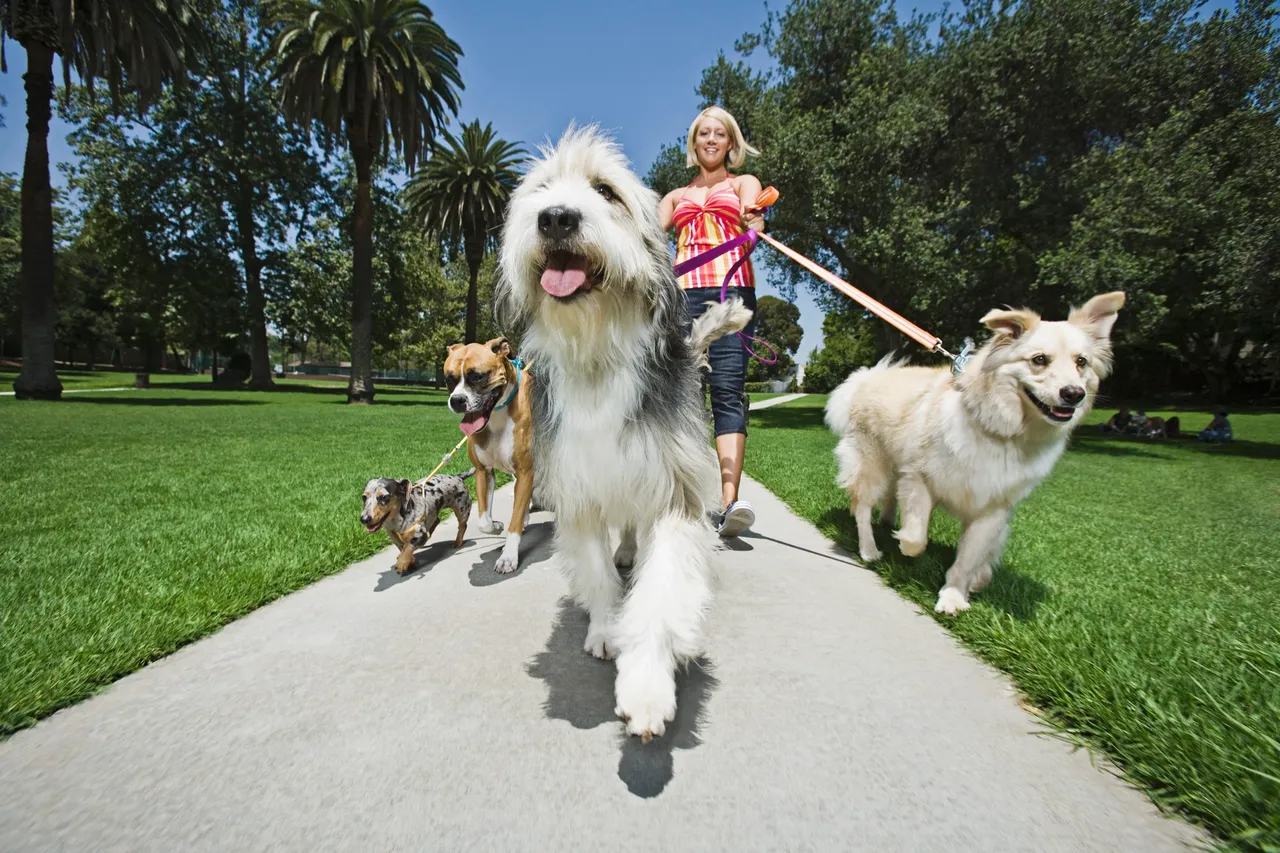
Different Types of Dog Harnesses and Leashes Picking the right walking gear is one of the most important decisions you make as a dog owner. The right harness and leash combo keeps your dog safe, gives you better control, and makes walks more enjoyable for everyone. No two dogs are the same, so choosing the right equipment depends on size, training level, temperament, and physical needs.
This guide breaks down the most popular types of dog harnesses and dog leashes, including what they’re best for and the pros and cons of each.
🐕 Harness Types
A simple, classic harness with the leash attachment on the dog’s back.
Best for:
- Small and medium dogs
- Calm walkers
- Daily casual use
Benefits:
- Easy to put on and comfortable
- Lower risk of neck injury
- Great for dogs who don’t pull
Potential downsides:
- Offers less control for strong pullers
SEO Keywords: back-clip dog harness, everyday dog harness
2. Front-Clip (No-Pull) Harness
A harness with the leash clip on the chest to reduce pulling.
Best for:
- Dogs that pull
- Training and behavior work
- Large, strong breeds
Benefits:
- Redirects pulling to the side
- Offers better control
- Helps teach loose-leash walking
Potential downsides:
- Some dogs dislike the front strap
- Can tangle more easily
SEO Keywords: no-pull harness, front-clip harness, harness for dogs that pull
A versatile harness with clips on both the back and chest.
Best for:
- Training transitions
- Dogs switching from pulling to calm walking
- Owners who want maximum control
Benefits:
- Can be used as a no-pull harness
- Works with double-ended leashes
- Great all-around option
Potential downsides:
- Slightly more complicated design
SEO Keywords: dual-clip harness, double-clip dog harness, training harness
Dogs step into the harness, then it buckles on top.
Best for:
- Small dogs
- Puppies
- Dogs who dislike harnesses going over their head
Benefits:
- Easy and fast to put on
- Lightweight and comfortable
Potential downsides:
- Less secure for escape-artist dogs
SEO Keywords: step-in dog harness, puppy harness
A soft, padded harness offering comfort and security.
Best for:
- Small breeds
- Short-haired dogs
- Dogs with sensitive skin
Benefits:
- Prevents rubbing
- Comfortable for long walks
- Warm and secure
Potential downsides:
- Can get hot in summer
- Not as effective for pullers
SEO Keywords: padded dog harness, soft dog harness
6. Tactical / Working Dog Harness
Heavy-duty harnesses designed for rugged use.
Best for:
- Large breeds
- Working dogs
- Hiking and outdoor adventures
Benefits:
- Very durable
- Extra handles for control
- MOLLE attachments for gear
Potential downsides:
- Heavier than standard harnesses
SEO Keywords: tactical dog harness, hiking dog harness, working dog vest
A secure, multi-strap design that prevents slipping out.
Best for:
- Nervous or fearful dogs
- Greyhounds and deep-chested breeds
- Houdini-type escape artists
Benefits:
- Hugely increases safety
- Multiple points of contact
- Snug but comfortable fit
Potential downsides:
- Takes longer to put on
SEO Keywords: escape-proof dog harness, harness for anxious dogs
🐾 Leash Types
The classic everyday leash.
Best for: casual walks, puppies.
Benefits: affordable, lightweight.
Downsides: not for heavy pullers.
Best for: strong pullers, training.
Benefits: durable, soft grip, long-lasting.
Downsides: needs conditioning, more expensive.
Best for: open spaces, sniffy dogs.
Benefits: long reach, freedom to explore.
Downsides: less control, can encourage pulling.
Best for: hiking, strong dogs.
Benefits: tough, comfortable, great for outdoors.
Downsides: can be bulky for small dogs.
Best for: runners, hikers, stroller use.
Benefits: convenient, often shock-absorbing.
Downsides: not ideal for reactive dogs.
Best for: city walking, strong dogs.
Benefits: instant close control.
Downsides: slightly bulkier.
7. Chain Leash
Best for: dogs who chew through fabric leashes.
Benefits: chew-proof.
Downsides: heavy, uncomfortable.
8. Long Line Leash (Recall Training)
Best for: training, yards, field work.
Benefits: 15–100 ft of controlled freedom.
Downsides: can tangle easily.
9. Slip Lead
Best for: quick trips, training sessions.
Benefits: simple, no collar needed.
Downsides: must be used properly to avoid choking.

The Snout and About team includes pet owners and animal health professionals with backgrounds in animal science and veterinary medicine and firsthand experience managing serious pet health conditions. Our goal is to make veterinary information accessible and actionable for everyday pet owners.