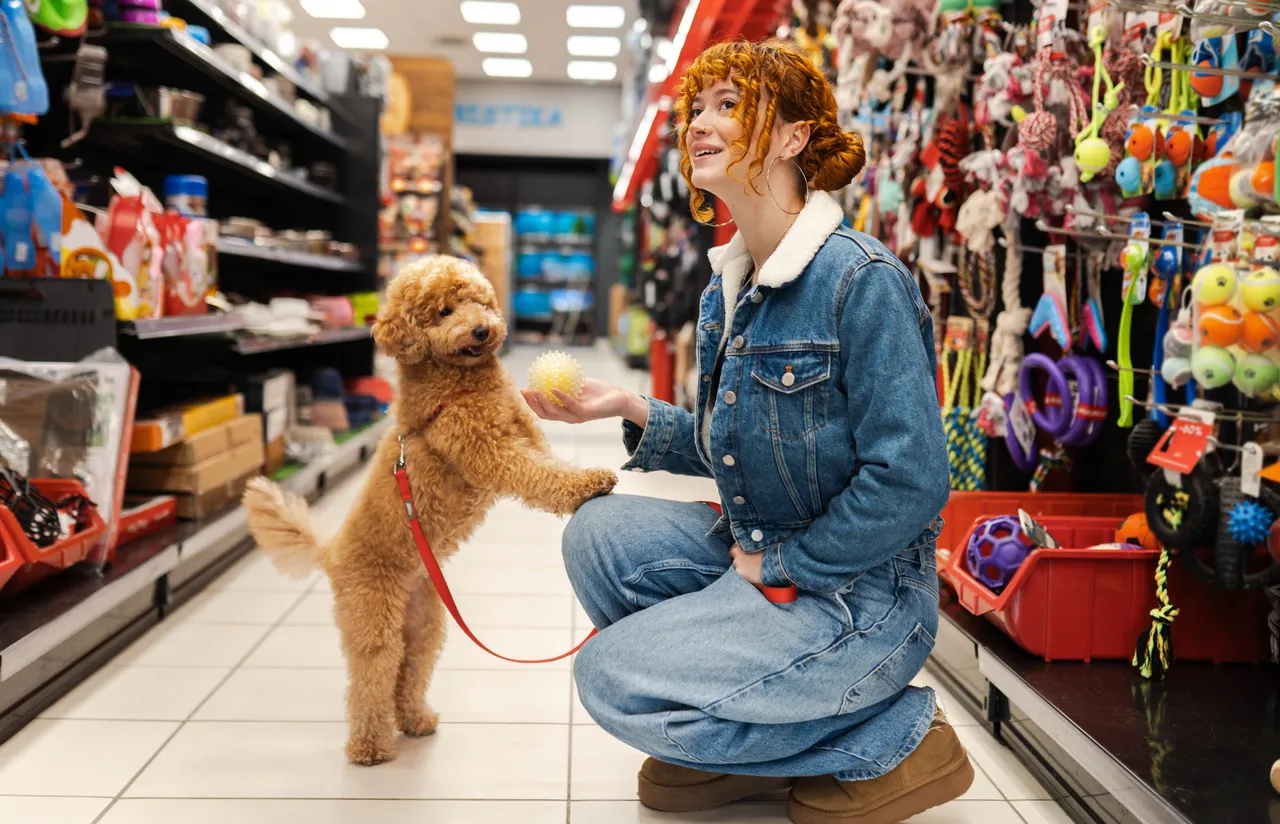
Discovering the Essentials of Pet Care
Caring for a pet is not just a responsibility—it’s a rewarding journey that enriches both your life and your furry friend’s well-being. In this guide, you’ll uncover practical strategies that empower you to provide exceptional care while tackling common challenges pet owners face. Understanding your pet’s unique needs is key to creating a nurturing environment that supports a happy, healthy life.
By exploring this guide, you will learn how to:
- Recognize behavioral cues and manage stress in pets
- Establish effective routines for feeding, grooming, and exercise
- Leverage local resources like pet-friendly parks and nearby veterinary clinics for ongoing wellness
With growing awareness about pet health, timely advice and actionable insights are more important than ever. This introduction sets the stage for a deeper discussion on everyday care routines, preventive health measures, and innovative enrichment ideas that work in any locale. Whether you live in a bustling city or a quiet town, these pet care tips are designed to help you address common issues while building a lifelong bond with your beloved companion.
5 Daily Essentials to Keep Your Pet Thriving
Even if you’re already familiar with pet care basics, refining your daily routine can make a significant difference in your pet’s well-being. Here are five actionable tips designed to address common challenges while ensuring your furry friend remains healthy and happy:
- Nutritious Feeding Routine – Start each day by offering a balanced meal that meets your pet’s dietary needs. Opt for high-quality ingredients and monitor portion sizes to avoid overfeeding. Adjust diets for seasonal changes and local availability of fresh produce.
- Consistent Grooming Practices – Regular brushing and bathing help to remove dirt, excess fur, and prevent skin irritations. Tailor grooming frequency to your pet’s breed and coat type, ensuring a comfortable and stress-free experience.
- Engaging Exercise Sessions – Daily walks, playtime, or even puzzle toys offer essential physical exercise and mental stimulation. Consider local parks or pet-friendly neighborhoods to add variety and adventure to your pet’s routine.
- Routine Health Check-Ups – Regularly inspect your pet for signs of discomfort or anomalies. Early detection in symptoms can lead to prompt care and better long-term health.
- Social Interaction and Enrichment – Schedule time for training, games, and gentle socialization. This interaction not only strengthens your bond but also nurtures a positive, well-adjusted mindset.
Uncovering Key Health Concerns Every Pet Owner Should Address
Pets can face various health challenges that, when caught early, are easier to manage. Many pet owners notice changes in behavior, loss of appetite, or unusual lethargy, which may signal underlying issues. Regular monitoring of your pet’s routine, along with proactive measures, can help avert complications later.
Consider these practical strategies to maintain your pet’s well-being:
- Balanced Nutrition: Offer a diet rich in essential vitamins and minerals to support immune function and overall vitality.
- Consistent Exercise: Daily physical activity helps control weight, prevents obesity, and keeps joints healthy.
- Routine Veterinary Visits: Regular check-ups enable early detection of issues such as dental problems, skin irritations, and parasitic infections.
- Preventative Care: Stay up to date on vaccinations, parasite control, and dental cleanings to avert major health crises.
For pet owners in local communities, accessing nearby veterinary clinics and pet wellness centers ensures timely interventions. By understanding common health concerns and implementing preventative measures, you can contribute significantly to your pet’s long-term health and enjoy many active, joyful years together.
Transform Your Home into a Pet Sanctuary: A Step-by-Step Guide
Creating a pet-friendly home is all about balancing comfort and safety for your furry friends while maintaining an inviting space for everyone. This tutorial breaks down the process into manageable, actionable steps that any pet owner can follow.
- Assess Your Space: Begin by evaluating your current layout. Identify areas that might need modification to prevent hazards such as sharp corners or easily tipped objects. Tip: Keep frequently used zones clutter-free to allow your pet to move effortlessly.
- Establish Safe Zones: Create designated areas where your pet can relax and play. Consider using washable rugs, cozy pet beds, and non-slip mats. Best Practice: Position these zones in quieter parts of your home to help reduce anxiety.
- Secure Potential Dangers: Hide or secure items that could be harmful if chewed or swallowed, such as electrical cords or small objects. Use baby gates to restrict access where necessary.
- Incorporate Enrichment: Add elements like puzzle feeders and interactive toys to stimulate your pet’s mind. Ensure there is plenty of ventilation and natural light in these areas.
Following these steps can help you build a safe, engaging environment for your pet while also boosting your home’s functionality in your local area.
Ignite Your Pet’s Curiosity
Keeping your pet mentally engaged is key to a happy, well-balanced life. When boredom sets in, pets may develop undesirable behaviors. Fortunately, there are plenty of creative ways to stimulate your furry friend’s mind. Start by designing interactive play sessions that challenge their problem-solving skills. Simple puzzles or treat-dispensing toys can enthrall dogs and cats alike, while training sessions incorporating new tricks sharpen their intellect.
Here are a few ideas to spark their curiosity:
- Interactive Games: Play hide-and-seek with treats or introduce puzzle feeders to encourage independent thinking.
- Regular Training: Learning new commands or tricks helps reinforce positive behavior and builds a strong bond.
- Sensory Adventures: Switch up routine walks by exploring new local parks or neighborhood trails. Changing environments can provide fresh scents and sights that enrich your pet’s daily experiences.
- Social Stimulation: Arrange playdates with other pets if possible, ensuring controlled settings for safe interactions.
By integrating these techniques, pet owners can transform everyday activities into stimulating experiences. Such enriching routines not only ward off boredom but also boost overall mental agility in your beloved companion.
FAQ: Common Questions About Pet Care
What are the essential daily routines for pet care?
A balanced routine that includes regular feeding, grooming, and exercise is key to maintaining your pet’s health. Daily walks, playtime, and brushing can improve their physical and mental well‐being.
How can I choose nutritious pet food?
Look for high-quality ingredients, balanced protein sources, and essential vitamins. Consulting local pet nutrition guides may help ensure your pet’s diet supports its energy and growth needs.
How do I address common behavioral issues?
Implement consistent training techniques and positive reinforcement to build trust. Socializing your pet with other animals and people also lessens anxiety and promotes good behavior.
What should I know about routine health check-ups?
Routine visits to a qualified veterinarian help catch issues early. Regular vaccinations and parasite prevention are critical for long-term well-being.
How can I create a safe and enriching home environment?
Offer interactive toys, designated play spaces, and secure outdoor areas. This approach promotes exercise and mental stimulation, ensuring your pet enjoys a healthy lifestyle.
How do seasonal changes affect pet care?
Adjust your pet’s routine for weather extremes by modifying exercise timing and updating grooming practices to suit cooler or warmer conditions.
Final Takeaways for a Thriving Pet Lifestyle
In conclusion, this guide has emphasized the importance of proactive and consistent pet care, ensuring your cherished companion lives a fulfilling and healthy life. It all comes down to establishing a balanced routine that not only meets the basic needs but also enriches the daily experience of your pet. As you reflect on the tips provided, consider incorporating the following actionable steps:
- Schedule regular veterinary checkups to catch potential issues early.
- Maintain a consistent exercise routine combined with mental enrichment activities.
- Monitor nutritional habits, adjusting as needed to support your pet’s growth and well-being.
- Create a safe and stimulating environment that reflects the local community’s pet-friendly surroundings.
Taking these steps will help foster a deeper bond with your pet and ensure a quality lifestyle together. Revisit your pet care practices regularly, making small improvements that lead to big benefits over time. Embrace this ongoing journey of nurturing and attention as the key to a thriving future for your beloved friend.

The Snout and About team includes pet owners and animal health professionals with backgrounds in animal science and veterinary medicine and firsthand experience managing serious pet health conditions. Our goal is to make veterinary information accessible and actionable for everyday pet owners.