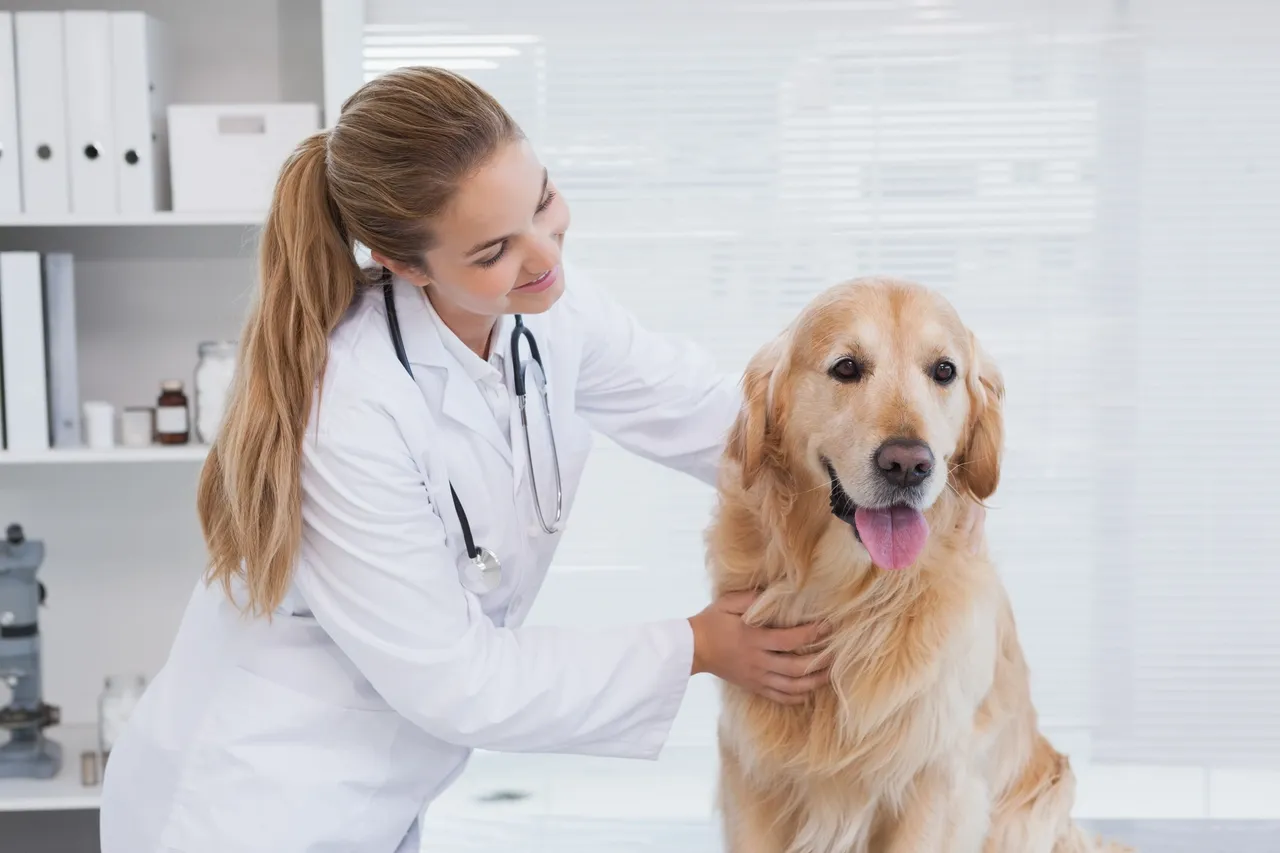
Cancer is one of the most common and heartbreaking diagnoses dog owners face. With better veterinary care and longer life spans, dogs today are more likely to develop cancers similar to those seen in humans—skin, bone, and internal organ tumors among them. Yet research and experience show that with early detection, integrative treatment, and the right nutritional support, many dogs live comfortable, meaningful lives well beyond their initial diagnosis.
This comprehensive guide explores the most common types of canine cancer, the signs to watch for, the conventional and supportive therapies available, and how to use supplements such as Fenbendazole, omega-3s, turmeric, and medicinal mushrooms as part of a well-rounded cancer care plan.
One of the reasons I started this website is because I know what it’s like to leave the veterinary clinic with more questions than answers. Even with animal science degrees and a career in veterinary medicine, I’ve found myself going home after appointments and spending hours reading veterinary journals, talking with specialists, and trying to learn everything I could to help my own pets.
Over the years, I’ve cared for animals with complex medical conditions, and I understand how overwhelming it can feel when you’re trying to make the best decisions for a pet you love. That’s why I write these guides—to combine my education, experience, and personal research into one place that’s easy for pet owners to understand.
This article isn’t a substitute for your veterinarian’s advice, but my goal is to help you better understand the condition, know what questions to ask, and learn about the treatments, diets, supplements, and products that may help improve your dog’s quality of life.
Understanding Cancer in Dogs
Cancer occurs when abnormal cells grow out of control, invading healthy tissue and sometimes spreading to other areas of the body (metastasis). It can occur in any organ, tissue, or system, and each type has unique behavior and prognosis.
While genetics play a role, environmental toxins, diet, and chronic inflammation can also contribute. Breeds like Boxers, Golden Retrievers, German Shepherds, Great Danes, and Rottweilers are especially prone to certain cancers.
The 10 Most Common Types of Canine Cancer
1. Lymphoma
Affects the lymphatic system (lymph nodes, spleen, liver, bone marrow).
- Symptoms: Swollen lymph nodes (usually under the jaw or behind the knees), lethargy, weight loss, poor appetite.
- Common treatments: Chemotherapy, prednisone, or targeted therapy.
- Supportive supplements: Omega-3 oils and medicinal mushrooms can enhance immune resilience.
2. Mast Cell Tumors (MCTs)
Common skin cancer caused by abnormal immune cells that release histamine.
- Symptoms: Bumps that change size, redness, itching, or ulceration on the skin.
- Common treatments: Surgical removal, antihistamines, steroids, radiation, or chemotherapy.
- Supportive supplements: Quercetin, turmeric/curcumin, and vitamin C can reduce histamine-driven inflammation.
3. Osteosarcoma (Bone Cancer)
Aggressive cancer often seen in large and giant breeds, usually in limbs.
- Symptoms: Lameness, swelling, pain, limping, reluctance to play.
- Treatment: Amputation plus chemotherapy for pain relief and longevity.
- Supportive supplements: Fenbendazole (more below), turmeric, and CBD oil can help with inflammation and pain management.
4. Hemangiosarcoma
Fast-growing cancer in blood vessel walls, commonly affecting the spleen, liver, or heart.
- Symptoms: Sudden collapse, pale gums, weakness, internal bleeding.
- Treatment: Emergency surgery, chemotherapy, immune support.
- Supportive supplements: CoQ10 and antioxidant blends may help protect blood vessel health.
5. Melanoma
Affects skin and mouth pigment-producing cells.
- Symptoms: Dark masses in the mouth, eyelids, or toenail beds; bad breath or drooling.
- Treatment: Surgery, radiation, and the melanoma vaccine in some cases.
- Supportive supplements: Fish oil and mushroom extract (Turkey Tail, Reishi) may enhance immune function.
6. Transitional Cell Carcinoma (Bladder Cancer)
Develops in the urinary tract.
- Symptoms: Straining to urinate, blood in urine, frequent accidents.
- Treatment: NSAIDs, chemo, laser ablation.
- Supportive supplements: Cranberry extract, beta-glucans from mushrooms, and turmeric for urinary and bladder protection.
7. Soft Tissue Sarcoma
Develops in connective tissues (fat, muscle, nerves).
- Symptoms: Firm lumps under skin, slow growth but often invasive beneath the surface.
- Treatment: Surgery and sometimes radiation.
- Supportive supplements: Curcumin, green tea extract, and resveratrol for antioxidant protection.
8. Mammary Gland Tumor
Mostly affects unspayed female dogs.
- Symptoms: Small to large lumps around nipples, sometimes ulcerated or painful.
- Treatment: Surgical removal; spaying reduces recurrence risk.
- Supportive supplements: Fenbendazole, vitamin D3, and milk thistle to support liver detoxification.
9. Liver or Spleen Cancer
Often secondary to another cancer’s spread but can develop primarily.
- Symptoms: Swollen belly, loss of appetite, vomiting, weakness.
- Treatment: Surgery plus chemotherapy or palliative care.
- Supportive supplements: SAMe, milk thistle, and turmeric for liver health.
10. Brain Tumor
Can occur in any breed, particularly older dogs.
- Symptoms: Seizures, behavior changes, circling, or loss of balance.
- Treatment: Surgery, radiation, seizure control medication.
- Supportive supplements: Omega-3s, CoQ10, and CBD oil to support neurological health.
The Role of Fenbendazole in Canine Cancer Support
Fenbendazole is an antiparasitic medication originally developed to treat roundworms and other intestinal parasites in animals. Recently, there’s growing interest in its potential off-label use as part of a comprehensive cancer protocol.
How Fenbendazole May Work
Fenbendazole interferes with cancer cell metabolism by:
- Disrupting microtubule formation, which cancer cells need to divide.
- Limiting glucose uptake in tumors, essentially starving cancer growth.
- Supporting body detox and immune regulation when combined with vitamins.
Common Complementary “Dog Cancer Protocol” (as shared by many holistic vets)
A vet-guided supplementation plan may look like:
- Fenbendazole: 222 mg (Panacur® or Safe-Guard® for small to medium dogs, scaled to weight) given once daily for three consecutive days per week, then four days off.
- Vitamin E: 400 IU given daily.
- Curcumin (Turmeric): Anti-inflammatory and antioxidant.
- CBD Oil: For pain control and quality of life.
- Milk Thistle: Liver protection during metabolism of medications.
⚠️ Always discuss dosage and timing with your veterinarian before beginning any off-label treatment. Some dogs with compromised livers may need adjustments or lower frequency.
Additional Supportive Supplements for Dogs With Cancer
1. Omega-3 Fatty Acids (Fish Oil or Krill Oil)
- Reduces inflammation and slows tumor progression.
- Can also alleviate joint pain and improve appetite.
2. Mushroom Extracts (Turkey Tail, Reishi, Maitake, Shiitake)
- Rich in beta-glucans that boost white blood cell activity and natural killer cell function.
- Vet-approved mushroom blends support immune resilience during chemo or radiation.
3. Curcumin (Turmeric Compound)
- Helps regulate inflammatory pathways and may reduce cancer cell proliferation.
- Best absorbed with black pepper extract (piperine) or liposomal formulations.
4. Probiotics and Digestive Enzymes
- Chemotherapy and cancer affect gut health; good probiotics improve digestion and nutrient absorption.
5. Coenzyme Q10 (CoQ10)
- Protects heart and cellular energy production, especially when dogs are on chemo drugs like doxorubicin.
6. CBD Oil
- May reduce pain, nausea, and anxiety. Look for broad-spectrum, THC-free oils.
7. Milk Thistle and SAMe
- Promote liver detoxification and protection from oxidative stress during medication use.
Feeding and Lifestyle Tips for Dogs With Cancer
Dietary Focus
- Prioritize high-protein, low-carb meals to deprive cancer cells of their preferred fuel (sugar).
- Use fresh, gently cooked meats and leafy vegetables.
- Avoid heavily processed kibble; it can contain carcinogenic preservatives.
- Add flavor and moisture with bone broth or salmon oil
Hydration and Comfort
- Ensure constant access to clean, filtered water.
- Use orthopedic bedding for comfort and reduced inflammation.
Exercise
- Keep it gentle—short walks, playtime, or light swim therapy.
- Overexertion can weaken immunity.
Stress Management
- Dogs sense your emotions. Keep daily routines predictable.
- Try calming aids like L-theanine chews or chamomile blends
Holistic and Integrative Therapies
Integrative veterinarians often combine conventional and natural approaches for optimal outcomes.
- Acupuncture: Improves energy and pain management.
- Laser therapy: Reduces inflammation and promotes tissue healing.
- Massage or physical therapy: Maintains mobility and reduces anxiety.
- Ozone therapy or hyperbaric oxygen: Used in some cancer clinics to improve oxygen to tissues.
Always have these guided by trained professionals who understand oncology care.
Helpful Products for Dogs With Cancer
- 🐾 High-quality fish oil capsules
- 🍄 Veterinary mushroom immune support blend
- 🌿 Liposomal turmeric and curcumin formula
- 💊 Fenbendazole granules — veterinary brand
- 🧴 Liver support supplement with milk thistle & SAMe
- 💧 Bone broth protein powder or soft food (affiliate link placeholder)
Frequently Asked Questions About Cancer in Dogs
1. Can Fenbendazole cure dog cancer?
There’s no guaranteed cure. Some owners report success using Fenbendazole as part of integrative care, but it should never replace veterinary treatment. It’s best viewed as a supportive supplement under vet supervision.
2. How can I tell if my dog is in pain from cancer?
Signs include restlessness, reluctance to eat or move, panting, whining, or isolating. Pain can be managed with prescription and natural options like CBD, omega-3s, and acupuncture.
3. What should I feed a dog with cancer?
A fresh, balanced, protein-rich, low-carb diet works best. Cooked chicken, turkey, or fish blended with vegetables like spinach or pumpkin supports immunity and digestion.
4. Can supplements interfere with chemotherapy?
Yes—some antioxidants can reduce the effectiveness of chemo drugs. Always coordinate supplement use with your oncologist or integrative vet.
5. When should I discuss palliative care or euthanasia?
When your dog no longer enjoys eating, socializing, or moving comfortably despite treatment, discuss quality-of-life measures with your vet to ensure peace and comfort.
6. Are holistic treatments safe?
When supervised by an integrative veterinarian, therapies like acupuncture, mushrooms, and turmeric are very safe. Avoid unverified internet remedies or extreme detox regimens.
7. How do I emotionally cope with my dog’s cancer diagnosis?
Structure and small rituals help. Focus on today’s comfort, not tomorrow’s fear. Your steady love gives your dog purpose and peace.
Final Thoughts
A cancer diagnosis is not a death sentence—it’s a shift in how you care, feed, and love your dog. Combining the best of veterinary medicine, proven nutritional support, and gentle immune-boosting supplements can dramatically improve both quality and quantity of life.
Whether you’re choosing advanced treatments or holistic support, remain consistent, informed, and compassionate. Dogs measure life not in years, but in the joy, trust, and balance they share with you each day.
You are your dog’s greatest ally—and your care makes every extra moment count.
Any links on this website may contain affiliate links that may earn a small commission at no cost.

The Snout and About team includes pet owners and animal health professionals with backgrounds in animal science and veterinary medicine and firsthand experience managing serious pet health conditions. Our goal is to make veterinary information accessible and actionable for everyday pet owners.