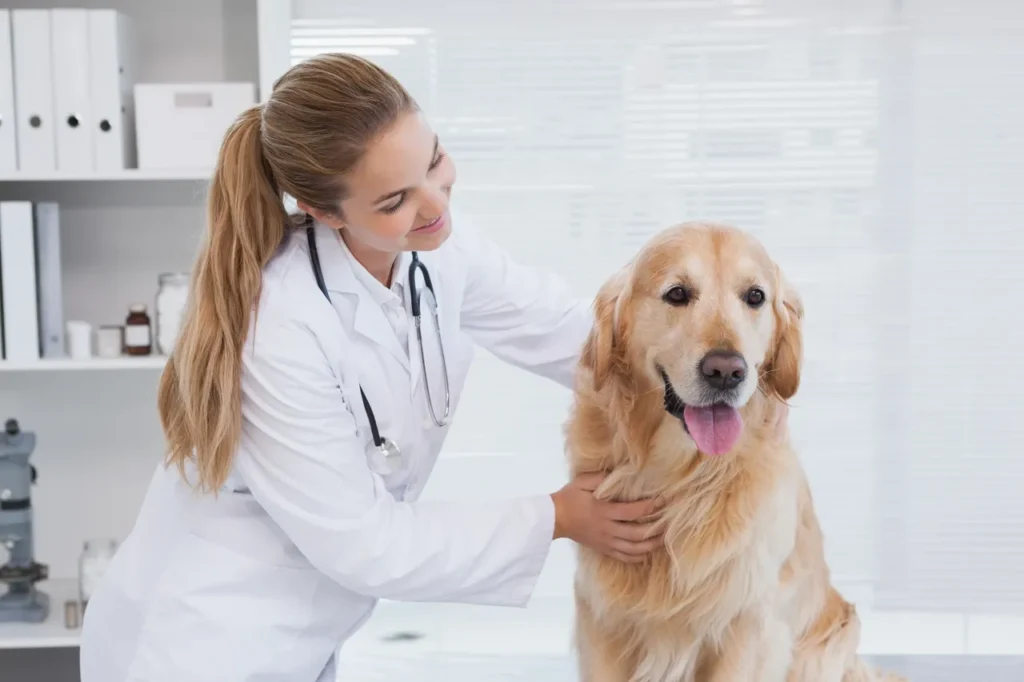
Every pet owner faces moments of uncertainty, but few challenges are as emotionally overwhelming as dealing with cancer in our cherished canine companions. This guide starts by unraveling the complex nature of oncology in dogs and highlights how this condition not only affects a pet’s quality of life but also leaves a deep emotional impact on families and local communities.
Understanding cancer in dogs involves recognizing early warning signs such as unusual lethargy, changes in appetite, and persistent lumps or bumps. Throughout this guide, you’ll explore actionable advice on how to monitor your pet’s health, manage treatment decisions, and balance emotional care with practical strategies.
Key points you will uncover include:
- Early detection tips and symptoms to watch for
- How stress influences both pet and owner well-being
- Practical approaches for treatment management and quality of life improvement
By addressing these pressing issues, this introduction sets the stage for an ultimate guide that streamlines pet care for those navigating life’s toughest challenges. Whether you reside in urban areas or rural settings, this resource offers regionally relevant insights that empower pet owners to tackle cancer head-on.
One of the reasons I started this website is because I know what it’s like to leave the veterinary clinic with more questions than answers. Even with animal science degrees and a career in veterinary medicine, I’ve found myself going home after appointments and spending hours reading veterinary journals, talking with specialists, and trying to learn everything I could to help my own pets.
Over the years, I’ve cared for animals with complex medical conditions, and I understand how overwhelming it can feel when you’re trying to make the best decisions for a pet you love. That’s why I write these guides—to combine my education, experience, and personal research into one place that’s easy for pet owners to understand.
This article isn’t a substitute for your veterinarian’s advice, but my goal is to help you better understand the condition, know what questions to ask, and learn about the treatments, diets, supplements, and products that may help improve your dog’s quality of life.
Top 5 Must-Know Cancer Types in Dogs
- Lymphoma – This is one of the most common cancers in canines, often presenting with swollen lymph nodes, lethargy, and weight loss. Keep an eye out if your dog seems unusually tired or if you notice persistent lumps during a routine check.
- Osteosarcoma – A bone cancer that typically affects larger breeds, osteosarcoma can cause severe pain and limping. Early symptoms may include swelling near limbs and reluctance to move, making prompt veterinary care essential.
- Hemangiosarcoma – Often affecting the spleen or heart, this aggressive cancer may not show obvious signs until internal bleeding occurs. Watch for sudden weakness or pale gums as warning signals.
- Mast Cell Tumors – These skin tumors can vary in appearance from small lumps to larger masses. They might itch or cause discomfort; therefore, any unusual skin changes should be examined immediately.
- Melanoma – Commonly found around the mouth or in the nail beds, melanoma may be benign or malignant. Monitoring for discoloration and growth in these areas can provide early indicators for further evaluation.
Paying attention to these signs, especially in local breeds, can help ensure prompt intervention and improved outcomes.
Navigating Treatment Options for Canine Cancer Care
When facing a cancer diagnosis in your dog, understanding the range of treatment options is essential for making informed decisions about their care. A tailored approach that considers your dog’s specific condition is key to managing the disease effectively. Treatment strategies can include:
- Surgical Intervention: Often the first line of defense, surgery aims to remove malignant tissues. This option is ideal when the cancer is localized.
- Chemotherapy and Radiation Therapy: These modalities target cancer cells on a broader scale. Combining traditional therapies may help reduce tumor size and alleviate symptoms.
- Palliative and Supportive Care: Focusing on quality of life, palliative care includes pain management, dietary adjustments, and holistic therapies to ensure comfort.
- Emerging Alternatives: In some cases, immunotherapy or clinical trials could provide additional benefits.
By collaborating closely with veterinary oncologists and specialists within your local area, pet owners can develop a comprehensive treatment plan that addresses both the physical and emotional needs of their furry family member. Taking a proactive approach by exploring these options ensures that each pet receives the care they need for the best possible outcome.
Comforting Your Canine Companion: A Step-by-Step Guide
When navigating cancer treatment for your dog, providing gentle care and comfort can be transformative. Follow these actionable steps to ensure your beloved pet feels secure and supported during this challenging journey.
- Assess Your Dog’s Environment
- Create a calm, quiet space where your dog can rest. Keep the area free from loud noises and disturbances.
- Adjust the lighting to a soft glow to promote relaxation.
- Manage Pain and Anxiety
- Work with your veterinarian to administer any prescribed medications.
- Use soothing techniques such as gentle massages or soft music to help ease discomfort and anxiety.
- Enhance Daily Comfort
- Ensure regular, manageable walks to maintain physical activity without overexertion.
- Provide a balanced diet that meets nutritional needs, especially during treatment phases.
- Monitor Health and Emotions
- Keep a daily log of your dog’s behavior and appetite changes.
- Stay alert to signs that may require medical attention.
By following these steps, you create a nurturing environment that supports both the physical and emotional well-being of your dog, fostering a sense of calm during their treatment process.
Navigating Emotional and Practical Support When Facing Dog Cancer
Facing a serious condition like cancer in your furry companion can be overwhelming, and it is important to know you are not alone. Pet owners grappling with these challenges can find both emotional relief and practical solutions by tapping into a network of compassionate support. Recognizing the toll that diagnosis and treatment can take on mindset, consider exploring these comforting avenues:
- Peer Groups: Connecting with local pet support communities and online forums can provide a safe space to share personal experiences and lessons learned.
- Holistic Guidance: Seek advice from professionals like veterinary social workers and pet nutritionists who can offer tailored tips on managing stress and ensuring your pet’s well-being.
- Routine Adjustments: Incorporate simple changes such as daily quiet time or gentle exercise routines that help maintain stability during uncertain times.
- Accessible Resources: Look for regional pet care centers or clinics that specialize in cancer management for pets, which may offer both treatment options and counseling services.
Balancing emotional care with practical strategies empowers pet owners to make informed decisions, ensuring that both you and your beloved pet receive the attention needed during this challenging journey.
Frequently Asked Questions on Canine Cancer
What are the early warning signs of cancer in dogs?
Dogs may exhibit subtle changes such as unexplained weight loss, lethargy, or irregular behavior patterns. Look for unusual lumps, loss of appetite, or difficulty breathing. Early detection is key to better outcomes.
How is canine cancer typically diagnosed?
A combination of physical examinations, blood tests, X-rays, and ultrasounds is used to identify potential issues. In some cases, tissue biopsies confirm the presence of malignancies, allowing veterinarians to tailor treatment options.
What treatment options are available for dogs with cancer?
Veterinarians usually recommend a range of treatments including surgery, chemotherapy, and radiation therapy. The choice depends on the cancer type, its stage, and the overall health of the dog.
How can pet owners support their dog during cancer treatment?
Providing comfort, maintaining a healthy diet, and managing pain are essential. Regular vet checkups and following prescribed medication schedules help in improving quality of life.
Are there preventive measures to lower the risk of cancer in dogs?
Maintaining a balanced diet, promoting regular exercise, and avoiding exposure to harmful chemicals can reduce risks. Routine vaccinations and health screenings further contribute to early detection and prevention.
Embracing Hope and Action
In conclusion, this comprehensive guide has illuminated key aspects of navigating a complex journey with a pet affected by cancer. We explored practical strategies, diagnostic insights, and tailored care routines that empower pet owners to make informed decisions. Remember, proactive measures and consistent monitoring can significantly improve your pet’s quality of life, even in challenging moments.
Here are actionable steps to consider:
- Early Diagnosis: Stay vigilant for any changes in your pet’s behavior or health and consult a veterinarian promptly.
- Tailored Treatment: Work with your veterinary team to design a personalized care plan that incorporates both conventional and supportive therapies.
- Holistic Care: Integrate nutritional adjustments, regular check-ups, and pain management techniques to ensure ongoing comfort.
- Emotional Support: Seek community support and counseling if needed, ensuring you are not alone throughout this process.
Overall, blending medical guidance with heartfelt care nurtures an environment of hope and resilience. Embrace these insights and trust your instincts as you continue your pet care journey. Your commitment to thoughtful and deliberate pet care is a vital ingredient in fostering recovery and enhancing well-being. Keep moving forward with courage and empathy.

The Snout and About team includes pet owners and animal health professionals with backgrounds in animal science and veterinary medicine and firsthand experience managing serious pet health conditions. Our goal is to make veterinary information accessible and actionable for everyday pet owners.