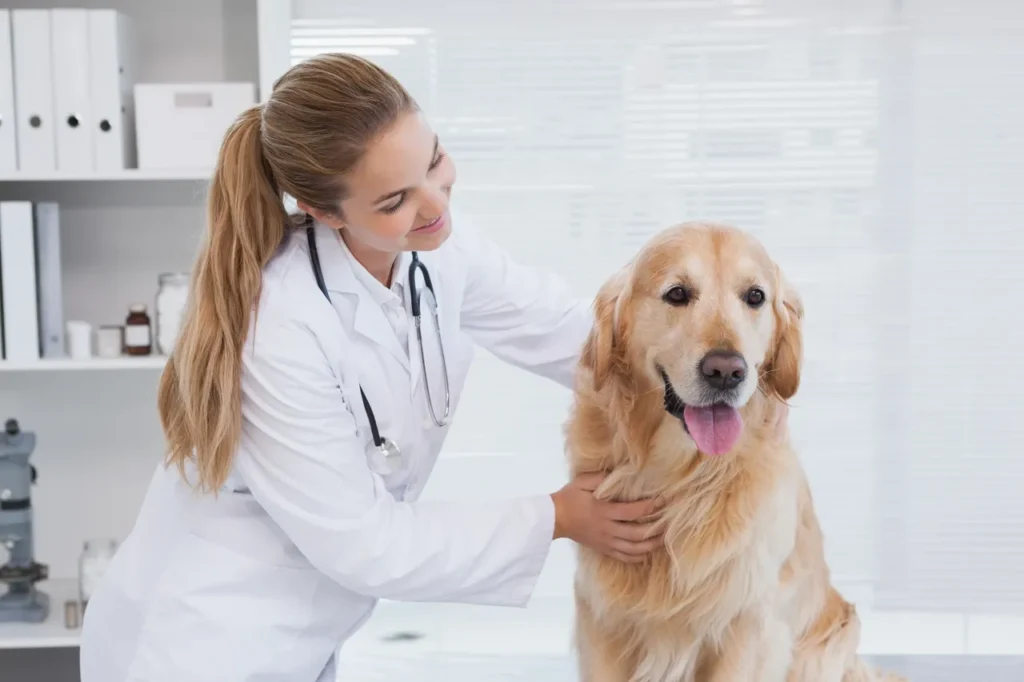
If your dog suddenly starts vomiting, refuses to eat, seems unusually tired, or appears to be in pain, pancreatitis could be the cause. This common but potentially serious condition affects dogs of all ages and breeds and can range from mild digestive upset to a life-threatening medical emergency.
The good news is that many dogs recover well when pancreatitis is recognized early and treated appropriately. Learning the warning signs, understanding the causes, and knowing how to care for your dog during recovery can make a significant difference.
This guide covers everything you need to know about pancreatitis in dogs, including symptoms, causes, diagnosis, treatment, the best diet for recovery, supplements that may help support digestive health, and practical tips for preventing future episodes.
One of the reasons I started this website is because I know what it’s like to leave the veterinary clinic with more questions than answers. Even with animal science degrees and a career in veterinary medicine, I’ve found myself going home after appointments and spending hours reading veterinary journals, talking with specialists, and trying to learn everything I could to help my own pets.
Over the years, I’ve cared for dogs with complex medical conditions, and I understand how overwhelming it can feel when you’re trying to make the best decisions for a pet you love. That’s why I write these guides—to combine my education, experience, and personal research into one place that’s easy for pet owners to understand.
This article isn’t a substitute for your veterinarian’s advice, but my goal is to help you better understand the condition, know what questions to ask, and learn about the treatments, diets, supplements, and products that may help improve your dog’s quality of life.
What Is Pancreatitis in Dogs?
The pancreas is a small organ located near the stomach and small intestine. Although it isn’t large, it plays two very important roles in your dog’s body.
First, it produces digestive enzymes that help break down proteins, fats, and carbohydrates. Second, it produces hormones like insulin that regulate blood sugar.
Normally, digestive enzymes remain inactive until they reach the small intestine. With pancreatitis, these enzymes become activated too early, causing the pancreas to begin digesting its own tissue. This triggers inflammation that can spread throughout the body.
Pancreatitis may be:
- Acute pancreatitis, which develops suddenly and may resolve with treatment.
- Chronic pancreatitis, which causes ongoing inflammation and repeated flare-ups over time.
Some dogs experience only one episode, while others develop recurring pancreatitis throughout their lives.
Symptoms of Pancreatitis in Dogs
The symptoms can vary from mild to severe depending on the amount of inflammation.
Common signs include:
- Vomiting
- Loss of appetite
- Diarrhea
- Lethargy
- Weakness
- Abdominal pain
- Hunched back
- Restlessness
- Fever
- Dehydration
- Weight loss
- Shaking or trembling
- Refusing treats or food
- Pain when the abdomen is touched
Many dogs with pancreatitis assume a “praying position,” stretching their front legs forward while keeping their hindquarters elevated to relieve abdominal discomfort.
Severe cases may also cause:
- Collapse
- Difficulty breathing
- Pale gums
- Shock
These signs require immediate veterinary attention.
What Causes Pancreatitis?
In many dogs, the exact cause is never identified. However, several factors increase the risk.
Common causes and risk factors include:
High-Fat Meals
One of the most well-known triggers is eating fatty foods.
Examples include:
- Bacon
- Sausage
- Turkey skin
- Ham
- Fat trimmings
- Fried foods
- Greasy leftovers
Even a single high-fat meal can trigger pancreatitis in susceptible dogs.
Obesity
Overweight dogs have a higher risk of developing pancreatitis.
Maintaining a healthy body weight can reduce stress on the pancreas and lower the likelihood of future flare-ups.
Certain Medical Conditions
Some underlying diseases increase the risk, including:
- Diabetes
- Cushing’s disease
- High blood triglycerides
- Hypothyroidism (in some dogs)
Certain Medications
Although uncommon, some medications have been associated with pancreatitis in susceptible individuals.
Never discontinue prescription medications without consulting your veterinarian.
Genetics
Some breeds appear more likely to develop pancreatitis, suggesting genetics may play a role.
Breeds commonly affected include:
- Miniature Schnauzers
- Yorkshire Terriers
- Cocker Spaniels
- Dachshunds
- Poodles
Any breed, however, can develop pancreatitis.
How Is Pancreatitis Diagnosed?
Your veterinarian will combine several pieces of information before making a diagnosis.
These may include:
- Physical examination
- Medical history
- Blood work
- Canine pancreatic lipase (cPL) testing
- Abdominal ultrasound
- X-rays to rule out other conditions
- Urinalysis
Because many digestive illnesses have similar symptoms, multiple tests are often necessary.
Treatment for Pancreatitis
Treatment depends on severity.
Many mild cases improve with supportive care, while severe cases require hospitalization.
Treatment commonly includes:
- Intravenous fluids
- Pain medications
- Anti-nausea medications
- Appetite stimulants when appropriate
- Nutritional support
- Careful monitoring
Unlike older recommendations, many veterinarians now encourage nutritional support earlier in recovery rather than prolonged fasting.
What Should Dogs With Pancreatitis Eat?
Diet plays one of the biggest roles in recovery and preventing future episodes.
Most veterinarians recommend feeding a low-fat, highly digestible diet.
Characteristics of a good pancreatitis diet include:
- Low fat
- Moderate protein
- Easily digestible ingredients
- Consistent feeding schedule
- Small frequent meals
Many dogs benefit from eating three to four smaller meals daily instead of one or two large meals.
Essential Products: Low-fat dog foods, food storage containers, kitchen scales for portion control
Foods to Avoid
Dogs recovering from pancreatitis should generally avoid:
- Table scraps
- Bacon
- Sausage
- Butter
- Cheese
- Fried foods
- Fatty meats
- Rich treats
- Greasy leftovers
Even small amounts can trigger another episode in sensitive dogs.
Supplements That May Help Dogs Recover
Supplements cannot cure pancreatitis, but some may support overall digestive health and recovery when recommended by your veterinarian.
Omega-3 Fish Oil
Omega-3 fatty acids help support a normal inflammatory response and contribute to healthy skin, joints, heart function, and overall wellness.
Because pancreatitis involves inflammation, some veterinarians may recommend omega-3 supplementation during long-term management. However, fish oil also contains fat, so it should only be used under veterinary guidance to ensure the amount is appropriate for your dog’s condition.
Great Choice: High-quality fish oil supplements specifically formulated for dogs.
Probiotics
Probiotics contain beneficial bacteria that help maintain a healthy balance of microorganisms within the digestive tract.
They may help:
- Support digestive health
- Promote healthy stool quality
- Aid recovery after digestive illness
- Support normal immune function within the intestines
Many veterinarians recommend probiotics following gastrointestinal disease.
Great Options: Veterinary-formulated probiotic powders, capsules, or soft chews.
Digestive Enzymes
Digestive enzyme supplements are sometimes discussed for dogs with certain pancreatic disorders.
While they are not routinely recommended for every dog with pancreatitis, they may be beneficial in dogs that later develop exocrine pancreatic insufficiency (EPI), a condition where the pancreas no longer produces enough digestive enzymes.
Always discuss digestive enzyme supplements with your veterinarian before use.
Top pick: Canine digestive enzyme powders.
Vitamin B12
Dogs with chronic gastrointestinal disease or chronic pancreatitis sometimes develop low vitamin B12 levels.
Correcting a deficiency may help support:
- Energy levels
- Appetite
- Digestive function
- Nutrient absorption
Supplementation should be based on your veterinarian’s recommendations.
Great choice: Veterinary-approved vitamin B12 supplements.
Keeping Your Dog Hydrated
Hydration is essential during recovery.
Vomiting and diarrhea can quickly lead to dehydration.
Ways to encourage drinking include:
- Fresh water available at all times
- Multiple water bowls around the house
- Pet water fountains
- Ice cubes for dogs that enjoy chewing them
- Water added to meals if approved by your veterinarian
Great pick: Stainless steel water bowls.
Recovery From Pancreatitis
Recovery depends on the severity of the episode.
Many mild cases improve within several days.
More severe cases may require:
- Hospitalization
- Weeks of recovery
- Long-term dietary management
- Routine veterinary monitoring
Your veterinarian may recommend repeat blood work or follow-up examinations to monitor progress.
Can Pancreatitis Come Back?
Yes.
Unfortunately, dogs that have experienced one episode often have a greater risk of recurrence.
Reducing this risk usually involves:
- Feeding a consistent low-fat diet
- Maintaining a healthy weight
- Avoiding table scraps
- Limiting high-fat treats
- Managing underlying diseases
- Following your veterinarian’s recommendations closely
Consistency is one of the most effective ways to reduce future flare-ups.
Long-Term Management
Dogs with chronic pancreatitis often do very well when owners establish a routine.
Helpful habits include:
- Feeding measured portions
- Maintaining an ideal body weight
- Avoiding dietary changes unless recommended
- Exercising regularly
- Scheduling routine veterinary checkups
- Monitoring appetite and stool quality
Keeping a notebook of flare-ups, new foods, medications, and symptoms may help identify patterns over time.
Products That Can Make Managing Pancreatitis Easier
Many pet owners find these products helpful during recovery and long-term management:
- Low-fat dog food
- Airtight food storage containers
- Digital kitchen scales
- Slow feeders
- Stainless steel food and water bowls
- Veterinary probiotics
- Fish oil supplements
- Pill organizers for medications and supplements
Can Dogs Fully Recover?
Yes.
Many dogs recover completely after a single episode of acute pancreatitis.
Others require lifelong dietary management but continue living happy, active lives.
The outcome depends on several factors, including:
- Severity of the inflammation
- How quickly treatment begins
- Presence of underlying diseases
- Whether complications develop
- Owner compliance with long-term dietary recommendations
Early recognition and prompt veterinary care greatly improve the chances of a successful recovery.
When Should You Contact Your Veterinarian?
Seek veterinary care immediately if your dog:
- Vomits repeatedly
- Refuses food for more than a day
- Has severe abdominal pain
- Appears weak or collapses
- Develops bloody diarrhea
- Has difficulty breathing
- Becomes dehydrated
- Has a fever
- Seems unusually lethargic
Pancreatitis can worsen quickly, and early treatment often leads to better outcomes.
Frequently Asked Questions About Pancreatitis in Dogs
What are the first signs of pancreatitis in dogs?
The first signs often include vomiting, loss of appetite, lethargy, and abdominal pain. Some dogs may also develop diarrhea or seem reluctant to move. Because these symptoms can resemble other illnesses, it’s important to have your dog examined by a veterinarian as soon as possible.
What causes pancreatitis in dogs?
Pancreatitis can have many causes, and in some dogs, the exact cause is never identified. Risk factors include eating high-fat foods, obesity, certain medical conditions like diabetes or Cushing’s disease, some medications, high blood triglycerides, and genetic predisposition.
Can a dog recover from pancreatitis?
Yes. Many dogs recover completely from a mild episode of acute pancreatitis with prompt treatment. Dogs with severe or chronic pancreatitis may require lifelong dietary management and monitoring but can still enjoy a good quality of life.
Is pancreatitis in dogs an emergency?
It can be. Mild cases may only require outpatient treatment, while severe pancreatitis can become life-threatening. If your dog is repeatedly vomiting, refuses food, appears to be in significant pain, becomes weak, or has trouble breathing, seek emergency veterinary care immediately.
What should I feed a dog with pancreatitis?
Most veterinarians recommend a low-fat, highly digestible diet. Feeding several small meals throughout the day instead of one or two large meals may also help reduce stress on the pancreas. Always follow your veterinarian’s dietary recommendations.
Can dogs with pancreatitis eat treats?
Yes, but treats should be low in fat and approved by your veterinarian. Many traditional dog treats and table scraps contain too much fat and could trigger another episode of pancreatitis.
What foods should dogs with pancreatitis avoid?
Dogs recovering from pancreatitis should generally avoid:
- Bacon
- Sausage
- Ham
- Turkey skin
- Butter
- Cheese
- Fried foods
- Fatty meats
- Rich table scraps
- Greasy leftovers
Even small amounts of high-fat foods can cause problems in susceptible dogs.
How long does pancreatitis last in dogs?
Mild cases often begin improving within two to five days with treatment. More severe cases may require hospitalization and several weeks of recovery. Dogs with chronic pancreatitis may experience occasional flare-ups throughout their lives.
Can pancreatitis come back?
Yes. Unfortunately, dogs that have had pancreatitis are more likely to experience future episodes. Maintaining a healthy weight, feeding a consistent low-fat diet, and avoiding fatty foods can help reduce the risk.
Are certain dog breeds more likely to develop pancreatitis?
Yes. Breeds commonly associated with a higher risk include:
- Miniature Schnauzers
- Yorkshire Terriers
- Cocker Spaniels
- Dachshunds
- Poodles
However, pancreatitis can occur in any breed.
Is pancreatitis painful for dogs?
Yes. Pancreatitis can cause significant abdominal pain. Many dogs appear hunched over, reluctant to move, restless, or assume the “praying position” with their front legs stretched forward and rear end raised.
Can stress cause pancreatitis in dogs?
Stress alone is not considered a direct cause of pancreatitis, but serious illness, surgery, or other physical stressors may contribute to inflammation in some dogs. Dietary indiscretion and underlying medical conditions are much more common triggers.
Can pancreatitis cause diarrhea?
Yes. While vomiting is often the most common symptom, many dogs also develop diarrhea, loose stools, or changes in bowel movements during an episode.
Can pancreatitis cause weight loss?
Yes. Dogs with chronic pancreatitis may lose weight because they have reduced appetites, absorb nutrients less efficiently, or experience repeated digestive upset.
Are probiotics good for dogs with pancreatitis?
Many veterinarians recommend probiotics as part of a recovery plan because they may help support a healthy balance of beneficial gut bacteria, improve stool quality, and promote digestive health. They are not a cure but may be helpful alongside other treatments.
Is fish oil safe for dogs with pancreatitis?
Fish oil contains beneficial omega-3 fatty acids that support a healthy inflammatory response, skin, joints, heart, and brain health. However, because fish oil also contains fat, it should only be given if your veterinarian determines it’s appropriate for your dog’s individual condition.
Can dogs drink water normally with pancreatitis?
Most dogs should continue drinking water, but excessive drinking followed by vomiting may occur during acute illness. If your dog cannot keep water down, contact your veterinarian immediately, as dehydration can develop quickly.
Can pancreatitis lead to other health problems?
Yes. Severe or repeated pancreatitis can sometimes contribute to complications such as diabetes mellitus, exocrine pancreatic insufficiency (EPI), dehydration, or systemic illness. Prompt treatment helps reduce the risk of long-term complications.
Can pancreatitis be prevented?
Not every case can be prevented, but you can lower your dog’s risk by:
- Feeding a balanced, low-fat diet if recommended by your veterinarian
- Maintaining a healthy body weight
- Avoiding fatty table scraps
- Limiting rich treats
- Exercising regularly
- Managing underlying medical conditions
- Scheduling routine veterinary checkups
What is the life expectancy of a dog with pancreatitis?
Many dogs recover completely from acute pancreatitis and live normal lifespans. Dogs with chronic pancreatitis often continue to live happy, comfortable lives with proper nutrition, routine veterinary care, and careful long-term management. Early diagnosis and consistent treatment significantly improve the outlook.
Final Thoughts
Pancreatitis is one of the most common gastrointestinal emergencies in dogs, but it is also one of the most manageable when recognized early. While an episode can be frightening, many dogs recover well with prompt veterinary care, a carefully managed low-fat diet, and consistent long-term monitoring.
If your dog has experienced pancreatitis, work closely with your veterinarian to develop a nutrition and management plan tailored to their needs. Small changes—such as avoiding fatty treats, maintaining a healthy weight, and feeding a consistent diet—can go a long way toward reducing the risk of future flare-ups.
With patience, proper care, and regular veterinary follow-up, many dogs with pancreatitis go on to live long, happy, and comfortable lives.

The Snout and About team includes pet owners and animal health professionals with backgrounds in animal science and veterinary medicine and firsthand experience managing serious pet health conditions. Our goal is to make veterinary information accessible and actionable for everyday pet owners.