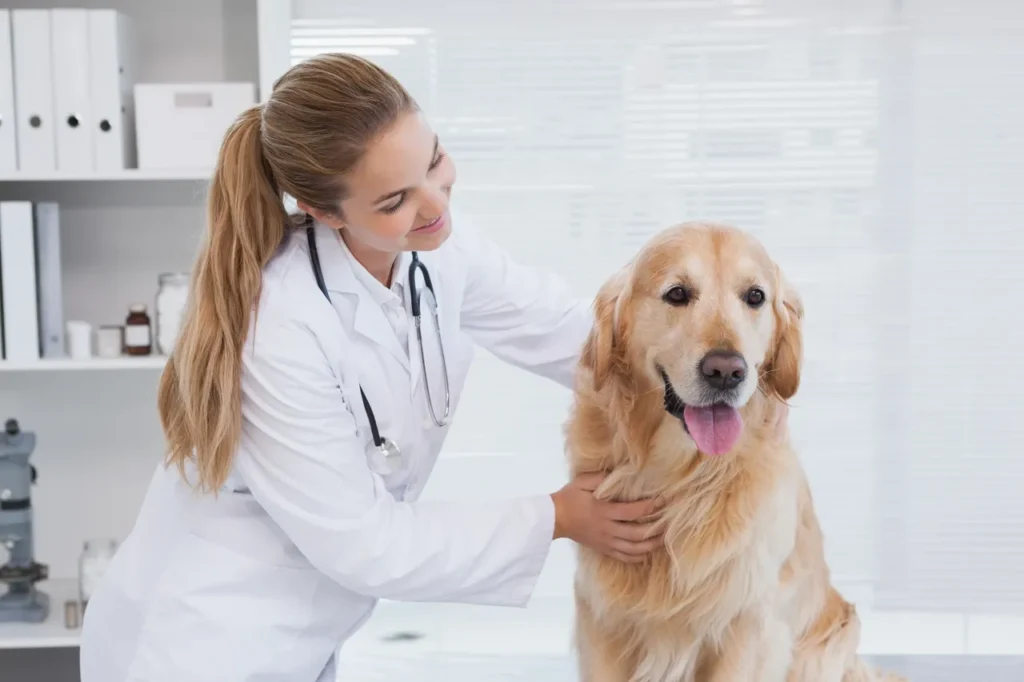
As dogs grow older, it’s normal for them to slow down a bit. They may sleep more, move more carefully, or take longer to respond to commands. But if your senior dog starts pacing at night, staring at walls, getting lost in familiar places, or forgetting house training, it could be a sign of Cognitive Dysfunction Syndrome (CDS)—often called dog dementia.
Canine cognitive dysfunction affects many aging dogs and can be heartbreaking for owners to witness. The good news is that while there is no cure, early recognition and proper management may help slow progression and improve your dog’s quality of life.
This guide covers everything you need to know about cognitive dysfunction syndrome in dogs, including symptoms, causes, diagnosis, treatment options, and practical ways to support your aging companion.
One of the reasons I started this website is because I know what it’s like to leave the veterinary clinic with more questions than answers. Even with animal science degrees and a career in veterinary medicine, I’ve found myself going home after appointments and spending hours reading veterinary journals, talking with specialists, and trying to learn everything I could to help my own pets.
Over the years, I’ve cared for animals with complex medical conditions, and I understand how overwhelming it can feel when you’re trying to make the best decisions for a pet you love. That’s why I write these guides—to combine my education, experience, and personal research into one place that’s easy for pet owners to understand.
This article isn’t a substitute for your veterinarian’s advice, but my goal is to help you better understand the condition, know what questions to ask, and learn about the treatments, diets, supplements, and products that may help improve your dog’s quality of life.
What Is Cognitive Dysfunction Syndrome in Dogs?
Cognitive Dysfunction Syndrome (CDS) is an age-related decline in brain function that affects memory, learning, awareness, and behavior. It shares similarities with dementia in humans and is one of the most common neurological conditions seen in senior dogs.
The condition develops gradually, and many owners mistake the early signs for “just getting old.” Recognizing changes early allows you and your veterinarian to create a plan that may improve your dog’s comfort and daily life.
Common Signs of Dog Dementia
Veterinarians often use the acronym DISHAA to describe the typical symptoms:
Disorientation
Your dog may:
- Stare at walls or corners
- Get stuck behind furniture
- Wander aimlessly
- Seem lost in familiar rooms
- Have trouble finding doors
Interaction Changes
Dogs with cognitive dysfunction may:
- Seek less attention
- Become unusually clingy
- Stop greeting family members
- Interact differently with other pets
- Appear withdrawn
Sleep-Wake Cycle Changes
Many affected dogs:
- Sleep all day
- Pace or wander at night
- Wake owners repeatedly
- Bark for no obvious reason during nighttime hours
House Soiling
Previously house-trained dogs may suddenly:
- Urinate indoors
- Defecate inside
- Forget to signal when they need to go outside
Activity Changes
Some dogs become less interested in:
- Playing
- Walks
- Exploring
- Favorite toys
- Family activities
Others may become restless and pace continuously.
Anxiety
You might notice:
- Increased whining
- Separation anxiety
- Fearfulness
- Repetitive behaviors
- Confusion during routine events
What Causes Cognitive Dysfunction Syndrome?
The exact cause isn’t fully understood, but aging brains undergo physical and chemical changes that can affect normal function.
Researchers believe contributing factors include:
- Loss of nerve cells
- Oxidative damage
- Reduced blood flow
- Accumulation of abnormal proteins
- Changes in neurotransmitters
- Brain inflammation
These changes can gradually interfere with memory and normal behavior.
Which Dogs Get Cognitive Dysfunction?
The biggest risk factor is age.
While younger dogs can develop neurological disorders, cognitive dysfunction is most commonly diagnosed in senior pets. Small and large breeds alike can be affected.
Not every elderly dog develops dementia, but the likelihood increases as dogs reach their senior years.
How Is Dog Dementia Diagnosed?
There is no single blood test for cognitive dysfunction syndrome.
Instead, veterinarians diagnose the condition by:
- Reviewing behavioral changes
- Performing a physical examination
- Conducting a neurological exam
- Running blood tests
- Checking urine samples
- Evaluating vision and hearing
- Ruling out other medical conditions that can mimic dementia
Conditions such as arthritis, pain, thyroid disease, vision loss, kidney disease, or brain tumors may produce similar symptoms.
Can Cognitive Dysfunction Be Treated?
Although there is no cure, treatment often focuses on slowing progression and improving quality of life.
Your veterinarian may recommend:
- Prescription medications
- Dietary modifications
- Environmental enrichment
- Mental stimulation
- Regular exercise
- Consistent daily routines
Many dogs continue enjoying life for months or years after diagnosis.
Brain-Supportive Nutrition
Nutrition may play an important role in supporting aging brains.
Some veterinary diets are formulated with ingredients intended to promote cognitive health, including antioxidants and omega-3 fatty acids.
Awesome Product: Cognition Chews
Supplements That May Support Cognitive Health
Some supplements are marketed to support normal brain function in aging dogs. While evidence varies by product, there are quite a few products that have shown great support.
Potential categories include:
- Omega-3 fish oil supplements
- Medium-chain triglyceride (MCT) oil products
- Antioxidant blends
- Phosphatidylserine supplements
- SAM-e products
- Vitamin E-containing formulations
- Senior cognitive support chews
Lifestyle Changes That Can Help
Maintain a Predictable Routine
Dogs with dementia often thrive when meals, walks, bedtime, and play occur at the same time each day.
Keep Furniture in Place
Avoid rearranging rooms unnecessarily, as familiar layouts help reduce confusion.
Increase Mental Enrichment
Gentle brain exercises may help stimulate aging minds.
Examples include:
- Food puzzles
- Snuffle mats
- Treat-dispensing toys
- Beginner scent games
- Short positive reinforcement training sessions
Continue Daily Exercise
Moderate activity supports both physical and mental health.
Tailor walks to your dog’s mobility and stamina while avoiding overexertion.
Helping Dogs Sleep Better at Night
Nighttime restlessness is one of the most frustrating symptoms for families.
Helpful strategies include:
- Providing daytime exercise
- Avoiding excessive daytime naps
- Maintaining consistent bedtime routines
- Offering a comfortable sleeping environment
- Using soft lighting for dogs with vision changes
Some veterinarians may recommend medications or supplements designed to support sleep in senior dogs.
Some Helpful Options: Orthopedic beds, calming dog beds, white noise machines, night lights, calming supplements, and pheromone diffusers.
Home Safety Tips
Dogs with dementia may accidentally injure themselves if they become disoriented.
Consider:
- Blocking stairways
- Using baby gates
- Adding non-slip rugs
- Removing sharp obstacles
- Supervising around pools
- Keeping water and food easily accessible
Helpful Products: Non-slip rugs, pet gates, orthopedic ramps, traction socks, and elevated feeding stations.
Can Cognitive Dysfunction Be Prevented?
There is no guaranteed prevention strategy, but lifelong healthy habits may support brain health.
These include:
- Regular veterinary checkups
- Daily exercise
- Weight management
- High-quality nutrition
- Ongoing mental stimulation
- Social interaction
- Prompt treatment of chronic illnesses
What Is the Prognosis?
Every dog progresses differently.
Some experience only mild changes for years, while others decline more rapidly. With early intervention and supportive care, many dogs continue enjoying family life and maintain a good quality of life for an extended period.
Regular follow-up with your veterinarian can help adjust treatment as your dog’s needs change.
When Should You Contact Your Veterinarian?
Schedule an evaluation if your senior dog suddenly:
- Gets lost inside the house
- Begins pacing constantly
- Cries at night
- Has accidents indoors
- Appears confused
- Stops recognizing familiar people or pets
- Experiences seizures
- Cannot stand or walk normally
- Shows sudden behavior changes
Sudden neurological signs should always be evaluated promptly, as they may indicate conditions other than cognitive dysfunction.
Frequently Asked Questions
What are the first signs of dementia in dogs?
Early signs often include confusion, pacing, altered sleep patterns, reduced interaction with family members, and accidents in a previously house-trained dog.
At what age do dogs get cognitive dysfunction syndrome?
Most cases occur in senior dogs, though the exact age varies by breed and individual health.
Is dog dementia painful?
The condition itself is not thought to be painful, but it can cause confusion, anxiety, and distress.
Can supplements cure canine cognitive dysfunction?
No supplement has been proven to cure dog dementia. Some products may support cognitive health as part of a comprehensive care plan, but they should be discussed with your veterinarian.
Can exercise help dogs with dementia?
Yes. Appropriate daily exercise and mental stimulation may help maintain function and reduce boredom while supporting overall well-being.
Is pacing at night a sign of dog dementia?
It can be. Nighttime pacing is a common symptom of cognitive dysfunction syndrome, although pain, anxiety, vision loss, and other medical conditions may cause similar behavior.
How long can a dog live with cognitive dysfunction syndrome?
Many dogs live months to several years after diagnosis, depending on disease severity, overall health, and response to supportive care.
When is it time to consider quality-of-life decisions?
If your dog no longer enjoys daily activities, cannot be kept comfortable despite treatment, or experiences severe confusion that affects welfare, discuss quality-of-life assessments with your veterinarian to make the most compassionate decision.

The Snout and About team includes pet owners and animal health professionals with backgrounds in animal science and veterinary medicine and firsthand experience managing serious pet health conditions. Our goal is to make veterinary information accessible and actionable for everyday pet owners.