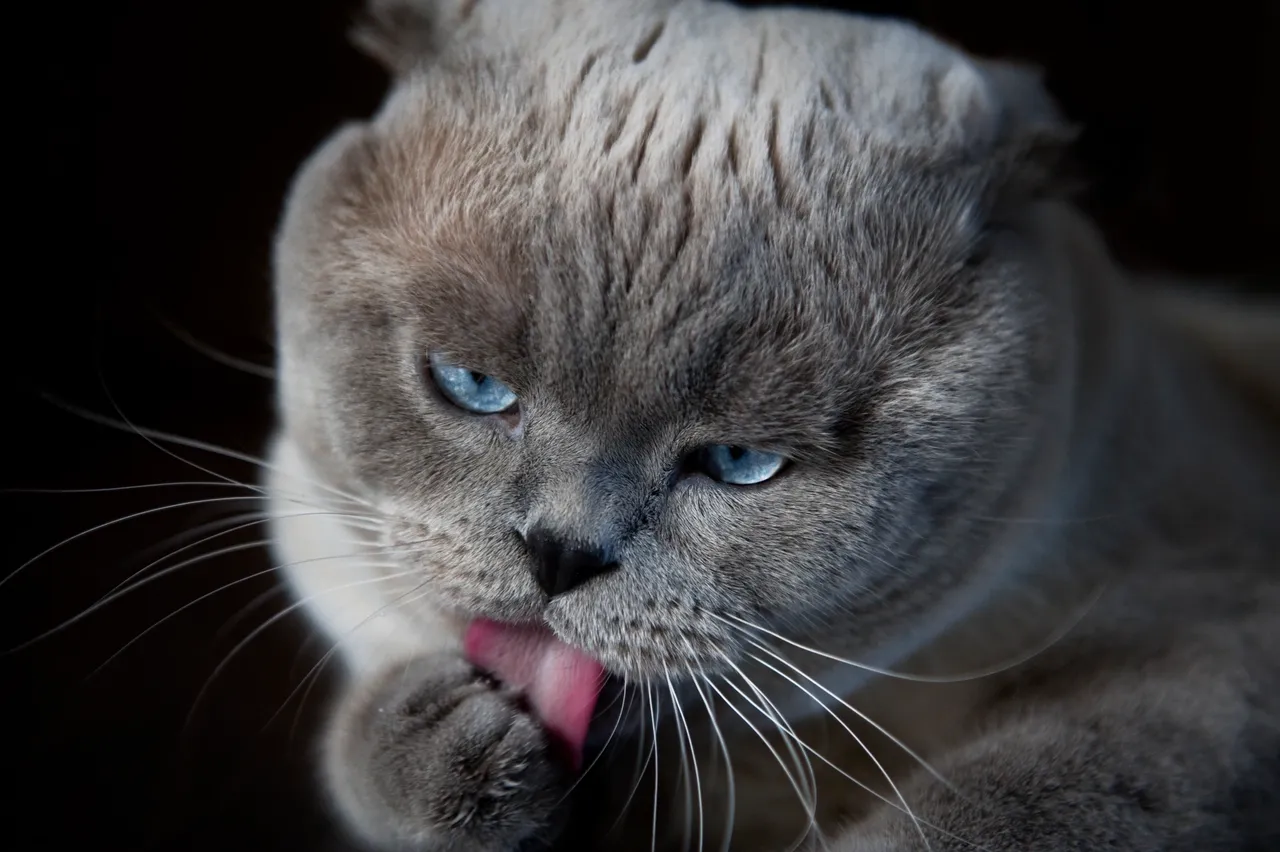
Top Cat Food Guide: How to Choose the Best Nutrition for Your Cat Feeding cats well isn’t just about filling a bowl. Because cats are obligate carnivores, they have specific nutritional needs, and diet affects their health, coat, digestion, hydration, and overall well-being. The key is to understand what makes high-quality cat food and what type suits your cat best. Different Types of Cat Toys
✅ What Makes a Good Cat Food
When evaluating cat food, aim for the following:
- High animal-based protein — Cats need meat-based protein to thrive. Protein should be from good quality meat or fish.
- Balanced nutrients according to life stage — Make sure the food has a certification such as AAFCO’s “complete and balanced” statement that matches your cat’s life stage (kitten, adult, senior).
- Proper fats and amino acids — Healthy fats support skin, coat, and energy; essential nutrients (like certain amino acids) are vital for feline health.
- Moisture / hydration — especially when feeding dry food — Because cats often don’t drink enough water, ensuring proper hydration is important. Wet or moist diets help with that.
- Appropriate formulation — Some cats have special needs (e.g. sensitive stomachs, weight control, senior health, urinary health). Food should match those needs.
🍲 Types of Cat Food: Pros & Cons
Here’s a breakdown of common types of cat food — each has strengths and trade-offs.
- ✅ Advantages: Convenient, shelf-stable, usually affordable, easy to store. Often helps maintain dental health via crunchy texture.
- ⚠️ Considerations: Lower moisture content (so cats may need more water intake), some formulas may have higher carbs.
Best for: busy households, cats who eat consistently, owners who prefer convenience.
- ✅ Advantages: Higher moisture — helpful for hydration (especially for cats that don’t drink enough). Often more palatable and aromatic, which helps picky eaters.
- ⚠️ Considerations: Must be used quickly once opened, can be more expensive, and some wet foods may have higher sodium.
Great for: cats needing more hydration, picky eaters, senior cats or those with kidney/bladder concerns.
Freeze-Dried or Dehydrated Cat Food
- ✅ Advantages: Preserves more natural nutrients (since it’s minimally processed), often higher protein, and tasty even for picky eaters. Useful for mixing with wet food or using as a topper.
- ⚠️ Considerations: More expensive than kibble, often needs rehydration or mixing, may not be ideal for all cats (especially those needing high moisture).
Good for: cats thriving on high-protein diets, owners who want a more natural or raw-like diet without full raw feeding.
- ✅ Advantages: Closest to what cats eat in the wild — high in natural protein, can improve coat, digestion, and energy for some cats.
- ⚠️ Considerations: Needs careful handling to avoid bacterial contamination; must be balanced properly for nutrients (vitamins, minerals, taurine, etc.). Not every vet recommends raw diets.
Best for: owners willing to carefully handle and balance diet, or as occasional supplementation for otherwise healthy cats.
🧪 What to Look for on the Label (or Ask About)
When reading a cat-food label or vet-recommendation, make sure:
- It has a “complete and balanced” certification for your cat’s life stage (often from AAFCO).
- Protein comes from named animal sources (e.g. “chicken,” “salmon,” “turkey”), not just “meat by-product.”
- Healthy fats are included (for coat, skin, energy).
- Moisture is considered (especially for dry food).
- Ingredient list is transparent and free of excessive fillers, artificial colors, or questionable preservatives.
🐈 When to Adjust Your Cat’s Diet
You might need to change your cat’s diet when:
- They’re a kitten → need growth-phase nutrition
- They’re senior → need easier-to-digest, possibly moister food
- They have health issues (kidney, bladder, allergies) — consult vet
- They’re picky eaters or refusing food — try wet, freeze-dried, or topper-based foods
- Weight gain or loss — adjust calories or diet composition

The Snout and About team includes pet owners and animal health professionals with backgrounds in animal science and veterinary medicine and firsthand experience managing serious pet health conditions. Our goal is to make veterinary information accessible and actionable for everyday pet owners.